 130 citations
,
January 2005 in “American Journal of Clinical Dermatology”
130 citations
,
January 2005 in “American Journal of Clinical Dermatology” Eating disorders like anorexia and bulimia cause skin problems, and dermatologists can help detect these disorders early for better treatment outcomes.
 October 2025 in “Brazilian Journal of Hair Health”
 Hair loss from weight-loss treatments is usually temporary and reversible.
 1 citations
,
January 2017 in “SAGE Open Medical Case Reports”
1 citations
,
January 2017 in “SAGE Open Medical Case Reports” A woman's hair loss condition got worse after her varicose vein treatment with a specific foam.
 10 citations
,
October 2002 in “Journal of The American Academy of Dermatology”
10 citations
,
October 2002 in “Journal of The American Academy of Dermatology” The document concludes that a man's long hair may have helped diagnose his rare case of chronic hair shedding, for which no treatment is advised.
 47 citations
,
May 2002 in “Journal of Cutaneous Medicine and Surgery”
47 citations
,
May 2002 in “Journal of Cutaneous Medicine and Surgery” Pregnancy can cause normal skin changes that usually go away after childbirth and don't need treatment.
 1 citations
,
October 2013 in “A & A case reports”
1 citations
,
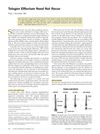
October 2013 in “A & A case reports” Hair loss from telogen effluvium may not happen again after another surgery.

Vegan exosome-like vesicles from microalgae improve skin and hair health, reducing wrinkles and enhancing elasticity.
 1 citations
,
April 2024 in “Food Frontiers”
1 citations
,
April 2024 in “Food Frontiers” Pu-erh tea reduces hair loss risk in offspring.
 March 2024 in “Homoeopathic links”
 Individualized homeopathic treatment led to complete hair regrowth in a patient with stress-induced hair loss.
 353 citations
,
February 2022 in “Nature Immunology”
353 citations
,
February 2022 in “Nature Immunology” Long-haul COVID can cause lasting symptoms affecting many body systems and may be linked to ongoing inflammation and immune system issues.
 22 citations
,
October 2021 in “Dermatologic Therapy”
22 citations
,
October 2021 in “Dermatologic Therapy” COVID-19 may cause temporary hair loss in some people.
November 2022 in “Journal of Investigative Dermatology” Statins may help treat alopecia areata by reducing harmful immune interactions.
 88 citations
,
June 2009 in “Cleveland Clinic Journal of Medicine”
88 citations
,
June 2009 in “Cleveland Clinic Journal of Medicine” To manage diffuse hair loss, identify the cause, improve nutrition, remove triggers, and use specific treatments like minoxidil or finasteride.
 9 citations
,
January 2019 in “Postepy Dermatologii I Alergologii”
9 citations
,
January 2019 in “Postepy Dermatologii I Alergologii” The skin acts like an endocrine organ, making hormones that affect skin diseases and respond to stress.
 May 2015 in “Journal of The American Academy of Dermatology”
 Some people may temporarily lose more hair in certain areas after a hair transplant.
 27 citations
,
January 2020 in “Experimental Dermatology”
27 citations
,
January 2020 in “Experimental Dermatology” Immune cells affect hair growth and could lead to new hair loss treatments.
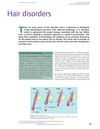 1 citations
,
December 2010 in “InnovAiT”
1 citations
,
December 2010 in “InnovAiT” The document concludes that accurate diagnosis and appropriate management are crucial for treating various hair disorders, which have significant psychological impacts.
 7 citations
,
December 2021 in “Journal of The American Academy of Dermatology”
7 citations
,
December 2021 in “Journal of The American Academy of Dermatology” COVID-19 can cause hair loss starting as early as 18 days after infection.
 March 2023 in “International Journal of Biomedicine”
 Hair loss from Telogen Effluvium can be managed by treating the underlying cause and may improve with treatments like minoxidil.
Telogen hair loss affects emotional well-being and quality of life, with no standard treatment available.

The document concludes that hair loss in women can be caused by various factors and is managed with specific treatments like medication, therapy, and lifestyle changes.
 January 2006 in “Elsevier eBooks”
 Cats with Feline Symmetrical Alopecia can regrow hair with proper treatment based on the specific cause, including diet, medication, or stress management.
 35 citations
,
November 2020 in “Dermatologic Therapy”
35 citations
,
November 2020 in “Dermatologic Therapy” Severe COVID-19 may cause hair loss, and doctors recommend supplements and topical treatments to manage it.
May 2026 in “Dermatologic Surgery” GLP-1RAs may cause hair loss but could also help regrow hair in some cases.
 1 citations
,
March 2019 in “Lasers in Surgery and Medicine”
1 citations
,
March 2019 in “Lasers in Surgery and Medicine” The conference reported improvements in muscle volume, skin cancer diagnosis, facial and vaginal rejuvenation, and hair growth using various laser treatments.
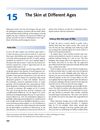
Skin changes throughout life, from development before birth to aging effects like wrinkles, influenced by both genetics and environment.
 October 2024 in “Annals of Allergy Asthma & Immunology”
 Anaphylaxis from cow's milk allergy can cause temporary hair loss in children.
11 citations
,
April 2023 in “Skin Health and Disease” Psychological stress can worsen skin conditions like psoriasis and acne.

Stress significantly contributes to hair loss, especially in women and those aged 31-40.
 12 citations
,
December 1987 in “Cancer Chemotherapy and Pharmacology”
12 citations
,
December 1987 in “Cancer Chemotherapy and Pharmacology” Vitamin E in the diet might help protect against hair loss caused by the chemotherapy drug doxorubicin in rabbits.