1 citations
,
February 2003 UV radiation causes significant protein loss and color changes in hair, especially blond hair.
 13 citations
,
May 2016 in “International journal of biological macromolecules”
13 citations
,
May 2016 in “International journal of biological macromolecules” Keratin's mechanical properties are influenced by hydrogen bonds and secondary structure, and can be improved with the SPD-2 peptide.
 May 2024 in “International Journal of Cosmetic Science”
 Disulfide bonds are crucial for hair's strength, especially when wet.
 34 citations
,
April 2014 in “Psychopharmacology”
34 citations
,
April 2014 in “Psychopharmacology” Stress and alcohol affect brain chemicals differently in rats, mice, and humans, influenced by genetic differences.
 6 citations
,
October 2018 in “PLoS ONE”
6 citations
,
October 2018 in “PLoS ONE” Stress can slow hair growth and affect skin color by impacting the body's stress response system.
8 citations
,
July 2019 in “The journal of investigative dermatology/Journal of investigative dermatology” Curly hair is mechanically different from straight hair and may need new testing methods.
 3 citations
,
February 2023 in “ACS omega”
3 citations
,
February 2023 in “ACS omega” Grape seed oil improved hair quality the most, followed by rosehip and safflower seed oils, and reduced damage from shampoo.
81 citations
,
December 2007 in “Acta materialia” AFM helped show how hair changes under tension and the effects of damage and conditioner.
November 2023 in “Cosmetics” Rice derivatives in conditioners protect and improve hair health.
8 citations
,
February 2025 in “Cell Systems” Engineered bacteria can deliver antioxidants to protect skin.
 July 2023 in “Research Square (Research Square)”
 Skin's uneven surface and hair follicles affect its stress and strain but don't change its overall strength, and help prevent the skin from peeling apart.
 2 citations
,
January 2015 in “Sen'i Gakkaishi”
2 citations
,
January 2015 in “Sen'i Gakkaishi” Washing permed hair after using thioglycolic acid helps reform strong bonds, making hair stronger.
March 2026 in “Journal of the mechanical behavior of biomedical materials/Journal of mechanical behavior of biomedical materials” Hair cuticles remain stable and resilient under stress due to strong protein content and crosslinking.
 August 2016 in “PolyPublie (École Polytechnique de Montréal)”
 Doxorubicin causes heart damage, so early detection and monitoring are important during chemotherapy.
5 citations
,
September 2023 in “Molecules” These methods help understand cell structures and reactions.
 April 2017 in “The journal of investigative dermatology/Journal of investigative dermatology”
 Stress in hair follicle cells increases certain immune-related proteins, which might contribute to hair loss conditions.
 34 citations
,
August 2005 in “Dermatologic Clinics”
34 citations
,
August 2005 in “Dermatologic Clinics” Stress and emotional factors can worsen skin conditions by affecting the immune system.
 2 citations
,
May 2021 in “Scientific Reports”
2 citations
,
May 2021 in “Scientific Reports” Stress is likely causing hair loss in Formosan macaques.
 76 citations
,
April 2013 in “PLoS ONE”
76 citations
,
April 2013 in “PLoS ONE” Chronic stress can cause hair loss by increasing oxidative stress, but antioxidants may help.
 38 citations
,
April 2018 in “Psychopharmacology/Psychopharmacologia”
38 citations
,
April 2018 in “Psychopharmacology/Psychopharmacologia” Blocking CRF-R1 can reduce alcohol intake in stressed mice.
 248 citations
,
December 2011 in “Journal of Neuroscience”
248 citations
,
December 2011 in “Journal of Neuroscience” Neurosteroids are crucial for stress response, and targeting specific receptors may help treat certain disorders.
 January 2015 in “Durham e-Theses (Durham University)”
 Adipose tissue changes in obesity can trigger stress in fat cells.
 10 citations
,
December 2024 in “EXPERIMENTAL ANIMALS”
10 citations
,
December 2024 in “EXPERIMENTAL ANIMALS” B6J mice live longer before 24 months, but B6N mice live longer after; both strains show weight gain, increased food and water intake, and health issues as they age.
 29 citations
,
June 2004 in “Pharmacology, Biochemistry and Behavior”
29 citations
,
June 2004 in “Pharmacology, Biochemistry and Behavior” Finasteride reduces alcohol withdrawal effects, especially in female mice.
 4 citations
,
January 2015 in “Sen'i Gakkaishi”
4 citations
,
January 2015 in “Sen'i Gakkaishi” Hair and wool strength is affected by the number and type of bonds in their protein structures, with hair having more protein aggregates than wool.
 October 2023 in “Animal production science”
 Vitamin A deficiency changes cattle hair structure, while pregnancy may improve it, suggesting hair can indicate cattle health.
New methods to classify curly hair types were developed based on shape and strength.
 117 citations
,
November 2006 in “Experimental Dermatology”
117 citations
,
November 2006 in “Experimental Dermatology” The article concludes that the wool follicle is a valuable model for studying tissue interactions and has potential for genetic improvements in wool production.
 13 citations
,
May 1993 in “International Journal of Dermatology”
13 citations
,
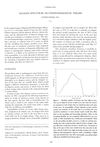
May 1993 in “International Journal of Dermatology” The paper suggests that telogen effluvium, a type of hair loss, may be a long-lasting condition triggered by stress or illness in people whose hair growth is unusually synchronized.
 77 citations
,
March 2021 in “Nature”
77 citations
,
March 2021 in “Nature” Stress hormone corticosterone blocks a growth factor to slow down hair stem cell activity and hair growth.