16 citations
,
June 1992 in “PubMed” Steroid pulse therapy improved symptoms in a man with Satoyoshi syndrome.
1 citations
,
December 1913 in “Biochemical Journal” Isocholesterol is a confirmed and recognized sterol.
 4 citations
,
January 1994 in “Yakugaku zasshi”
4 citations
,
January 1994 in “Yakugaku zasshi” EPC-K is stable except at very acidic pH or when exposed to sunlight, and it can decompose in low ethanol concentrations.
68 citations
,
May 1991 in “The Journal of clinical endocrinology and metabolism/Journal of clinical endocrinology & metabolism” Both cyproterone acetate and spironolactone effectively reduce hair growth in women with hirsutism.
 1 citations
,
October 2023 in “Journal of clinical psychopharmacology”
1 citations
,
October 2023 in “Journal of clinical psychopharmacology” Divalproex sodium can cause pleural effusion, which stops when the drug is discontinued.
10 citations
,
April 1965 in “Journal of Nutrition” Changing mineral levels in rats' diets can prevent kidney stones, affect hair growth, and influence weight gain.
April 2014 in “Emergency Medicine News” Thyroid storm is hard to diagnose due to vague symptoms but needs urgent attention.
 17 citations
,
October 2006 in “Molecular and Cellular Endocrinology”
17 citations
,
October 2006 in “Molecular and Cellular Endocrinology” The L457(3.43)R mutation in the human lutropin receptor causes increased activity and hormone insensitivity, leading to precocious puberty.
 11 citations
,
September 2021 in “Journal of molecular endocrinology”
11 citations
,
September 2021 in “Journal of molecular endocrinology” ERβ has potential in treating prostate cancer and neurodegenerative diseases, but human studies are needed before clinical use.
29 citations
,
April 2011 in “Journal of Microscopy” The modified osmium method improves hair cortex staining for better visualization.
35 citations
,
March 2013 in “American Journal of Medical Genetics Part B Neuropsychiatric Genetics” SRD5A2 gene variations affect PTSD symptoms differently in males and females.
1 citations
,
December 2012 in “Clinical and Experimental Dermatology” A rare calcium deposit condition was found on a man's scalp.
June 2019 in “Journal of Hypertension” Magnesium deficiency raises diastolic blood pressure and reduces vascular contraction.
May 2025 in “Hormone Research in Paediatrics” Persistent hyperparathyroidism doesn't stop rickets healing or phosphate level normalization in VDDR2A.
December 2023 in “Reactions weekly” December 2023 in “Reactions weekly” September 2013 in “Reactions weekly” 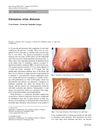 3 citations
,
April 2012 in “Internal and Emergency Medicine”
3 citations
,
April 2012 in “Internal and Emergency Medicine” The girl's swelling and skin issues improved with fluid restriction and diuretics.
2 citations
,
January 1986 in “PubMed” PIXE is an effective method to analyze hair's elemental composition.
 2 citations
,
July 2016 in “Pharmacopsychiatry”
2 citations
,
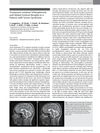
July 2016 in “Pharmacopsychiatry” A person with Turner Syndrome showed severe schizophrenia that didn't respond to treatment and had brain shrinkage.
 April 2026 in “Diagnostics”
 Parry–Romberg Syndrome can involve the brain even without obvious symptoms, and a new diagnostic framework is suggested for early detection.
3 citations
,
January 2016 in “Case reports in dermatological medicine” An 80-year-old man grew extra hair on his forearms after starting Alzheimer's medication rivastigmine.
 April 2023 in “World Journal of Advanced Research and Reviews”
 Frequent blood transfusions in beta thalassemia can lead to thyroid problems.
 1 citations
,
September 2023 in “Molecules (Basel. Online)”
1 citations
,
September 2023 in “Molecules (Basel. Online)” Plant sterols have health benefits like lowering cholesterol, but more research is needed to understand their effects and improve their extraction and sustainability.
 2 citations
,
November 2024 in “AAPS PharmSciTech”
2 citations
,
November 2024 in “AAPS PharmSciTech” Spanlastic formulations improve rivaroxaban's oral anticoagulation efficiency.
26 citations
,
January 1993 in “Dermatology” A rare case of isolated trichothiodystrophy was identified, marked by brittle hair with low sulfur content.
 January 2007 in “Revista del Centro Dermatológico Pascua”
 A 2-year-old boy was diagnosed with a rare genetic condition causing fragile hair, intellectual issues, and short stature.
April 2014 in “The FASEB Journal” Testosterone reduces knee movement, while flutamide and finasteride increase it.
1 citations
,
January 2008