4 citations
,
May 1981 in “Australian Journal of Biological Sciences” Rat hair follicle cells can produce and release various glycosaminoglycans over time.
 April 2025 in “BMC Chemistry”
 Thiadiazole chitosan conjugates improve hair manageability, moisture, and protection in conditioners.
 1 citations
,
January 2012 in “Journal of The Society of Japanese Women Scientists”
1 citations
,
January 2012 in “Journal of The Society of Japanese Women Scientists” Murine hair has specific types of ceramides and glucosylceramides but lacks acylceramides.
 3 citations
,
May 2024 in “Amino Acids”
3 citations
,
May 2024 in “Amino Acids” Disrupted cysteine metabolism may cause hair breakage in Alopecia Areata, suggesting potential treatments like N-acetylcysteine.
 16 citations
,
January 2017 in “Physical chemistry chemical physics/PCCP. Physical chemistry chemical physics”
16 citations
,
January 2017 in “Physical chemistry chemical physics/PCCP. Physical chemistry chemical physics” The 3D structure of a key hair protein was modeled, revealing specific helical structures and stabilization features.
 356 citations
,
December 1986 in “The journal of cell biology/The Journal of cell biology”
356 citations
,
December 1986 in “The journal of cell biology/The Journal of cell biology” Hair and nail cells share similar proteins, indicating a common differentiation pathway.
1 citations
,
January 2007 in “中国科学通报:英文版” Women's hair has more sulfur, and black hair has more calcium than white hair.
9 citations
,
January 1975 in “The Histochemical Journal” Dog hair follicles contain important molecules that may affect hair growth.
161 citations
,
June 1993 in “Journal of Biological Chemistry” Trichohyalin helps in hair and skin cell structure and function by binding calcium and linking proteins.
72 citations
,
May 1993 in “The Journal of Cell Biology” Trichohyalin in sheep hair follicles may help with structure and calcium binding.
5 citations
,
September 2013 April 1996 in “Journal of Dermatological Science”  12 citations
,
January 2014 in “Annals of Dermatology”
12 citations
,
January 2014 in “Annals of Dermatology” Modified superoxide dismutase may trigger an autoimmune response in alopecia areata.
7 citations
,
December 1970 in “Biochimica et Biophysica Acta (BBA) - Protein Structure” 40 citations
,
September 2004 in “Biomacromolecules” The Glu413Lys mutation in keratin affects hair stability, while Glu413Asp does not.
23 citations
,
January 1981 Hair is mostly made of three protein types: helical, high-sulfur, and high-tyrosine.
 8 citations
,
January 2009 in “Transactions of the Materials Research Society of Japan”
8 citations
,
January 2009 in “Transactions of the Materials Research Society of Japan” Water-soluble wool keratin can protect human hair from damage during treatments.
9 citations
,
March 1993 in “Biochemical Pharmacology” Rat skin can convert minoxidil into its active form, aiding hair growth.
4 citations
,
January 1981 in “PubMed” Hair medullary cells in mammals vary in complexity, with humans having more structured cells similar to inner root sheath cells.
 1 citations
,
January 2003 in “Expert Opinion on Therapeutic Patents”
1 citations
,
January 2003 in “Expert Opinion on Therapeutic Patents” Steroid sulfatase inhibitors could potentially treat hormone-related disorders like certain cancers, hair loss, acne, and improve cognitive dysfunction.
 4 citations
,
February 2007 in “Journal of the European Academy of Dermatology and Venereology”
4 citations
,
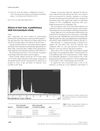
February 2007 in “Journal of the European Academy of Dermatology and Venereology” The study suggests silicon might be important for healthy hair, as less silicon was found in people with hair loss.
2 citations
,
August 2023 in “Molecules” SH-340 may improve skin barrier and help treat atopic dermatitis.
 8 citations
,
January 2016 in “Journal of fiber science and technology”
8 citations
,
January 2016 in “Journal of fiber science and technology” Bleaching hair increases cysteic acid levels in a predictable way.
 June 2025 in “Universal library of medical and health sciences.”
 External factors like pollution, stress, and poor nutrition can negatively affect hair growth.
 March 2025 in “Jurnal Farmamedika (Pharmamedica Journal)”
 Procyanidin from Indonesian spices may help heal diabetic wounds.
34 citations
,
July 1958 in “Biochimica et Biophysica Acta”  47 citations
,
November 2012 in “Expert Opinion on Therapeutic Patents”
47 citations
,
November 2012 in “Expert Opinion on Therapeutic Patents” The document concludes that research on sulfatase inhibitors should continue due to their potential in treating various diseases, despite some clinical trial failures.
15 citations
,
January 1991 in “Mammalian Genome” 109 citations
,
January 1980 in “Science of the total environment” Analyzing trace elements in human hair is complex and needs a standardized method.
24 citations
,
February 2002 in “The journal of investigative dermatology/Journal of investigative dermatology” Two new proteins, hKAP1.6 and hKAP1.7, are found in the hair follicle cortex.