 January 2025 in “Fitoterapia”
 Signaling pathways are key targets for developing effective drugs.
 August 2024 in “Biomedical Journal of Scientific & Technical Research”
 Jute leaves may help reduce DHT levels, potentially aiding in conditions like hair loss and prostate issues.
 October 2023 in “JOJ dermatology & cosmetics”
 Thiocyanate helps hair growth and can be supplemented in diet or applied topically.
 December 2014 in “Turk Dermatoloji Dergisi”
 Topical Saw Palmetto and Trichogen Veg Complex increased hair count by 11.9% and improved hair growth in 48% of men with hair loss.
 January 2009 in “Folia Pharmacologica Japonica”
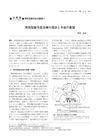
 Finasteride and minoxidil are the main effective treatments for hair loss from androgenetic alopecia.
 February 2026 in “Zenodo (CERN European Organization for Nuclear Research)”
 Gut bacteria overgrowth may cause some Post-Finasteride Syndrome symptoms.
May 2010 in “Europe PMC (PubMed Central)” Near-infrared probes can safely and effectively image cysteine protease activity for disease diagnosis.
12 citations
,
February 2023 in “Applied and Environmental Microbiology” Mutants of CYP154C2 enzyme significantly improved steroid conversion efficiency.
 February 2026 in “Zenodo (CERN European Organization for Nuclear Research)”
 Gut bacteria overgrowth may cause some Post-Finasteride Syndrome symptoms.
January 2016 in “Zurich Open Repository and Archive (University of Zurich)” Dietary L-serine supplementation can reduce symptoms of HSAN1 by lowering harmful 1-deoxySL levels.
 November 2025 in “Journal of Family Medicine and Primary Care”
 Low-dose minoxidil effectively enhances facial hair with minimal side effects.
January 2011 in “Linchuang pifuke zazhi”  14 citations
,
November 2015 in “Annals of the New York Academy of Sciences”
14 citations
,
November 2015 in “Annals of the New York Academy of Sciences” Changing the diet of mice lacking the enzyme CBS can affect symptoms related to the genetic condition.
11 citations
,
January 1989 Two patients had a unique form of trichothiodystrophy with reduced high-sulfur proteins in their hair.
January 1995 in “Seoul National University Open Repository (Seoul National University)” SSO helps in skin protection and keratinization.
144 citations
,
May 1990 in “Journal of the American Academy of Dermatology” 26 citations
,
December 1990 in “Journal of Biological Chemistry” Two specific genes are more active during hair growth in mice.
 17 citations
,
May 2021 in “Journal of Applied Pharmaceutical Science”
17 citations
,
May 2021 in “Journal of Applied Pharmaceutical Science” Transferosomes effectively deliver drugs through the skin, improving treatment for skin disorders.
49 citations
,
May 1974 in “Biochimica et Biophysica Acta (BBA) - Protein Structure” Transamidases are present in the epidermis but their exact role is unclear.
January 2018 in “Haydarpaşa Numune Hastanesi tıp dergisi” Tamsulosin's sulfonamide group may contribute to floppy iris syndrome.
8 citations
,
September 1987 in “Acta Dermato Venereologica” Recessive X-linked ichthyosis involves a less efficient enzyme in hair follicles, suggesting two distinct enzymes.
February 1989 in “PubMed” A genetic hair protein variant is more common in Japanese people and is inherited.
Some bacteria use arsenic compounds as antibiotics, and others have evolved resistance; a particular arsenic-based compound shows potential as a new antimalarial treatment.
 29 citations
,
December 2017 in “Molecular therapy”
29 citations
,
December 2017 in “Molecular therapy” Enzyme replacement therapy improved multiple symptoms of homocystinuria in mice.
175 citations
,
December 1980 in “Archives of Dermatology” Trichothiodystrophy is a condition with brittle hair and various physical and mental issues due to low sulfur in proteins.
 30 citations
,
December 2019 in “PLoS ONE”
30 citations
,
December 2019 in “PLoS ONE” The new delivery system improved raloxifene's skin absorption and effectiveness against cancer cells.
 13 citations
,
January 2013 in “Applied and Environmental Microbiology”
13 citations
,
January 2013 in “Applied and Environmental Microbiology” A gene in Sebekia benihana, CYP-sb21, is needed for a specific reaction on the drug Cyclosporine A, which could be important for hair growth without affecting the immune system.
February 2026 in “UiTM Institutional Repositories (Universiti Teknologi MARA)” Cis-UCA can form new compounds without enzymes, and sulphide donors reduce its UVB-induced toxicity in skin cells.
54 citations
,
February 2002 in “Carcinogenesis” Increasing SSAT makes skin more prone to cancer.
 January 1999 in “American Journal of Medical Genetics Part A”
 The report expanded knowledge of MBTPS1-related disorders by identifying new symptoms.