 April 2026 in “Journal of Inflammation Research”
 Alopecia areata and atopic dermatitis share immune system issues, and treatments like JAK inhibitors can help both.
 March 2026 in “Preprints.org”
 Platelet-rich plasma, microneedling with minoxidil, and topical finasteride are promising treatments for hair loss.
 February 2026 in “Biomedicines”
 Nanotechnology offers promising new treatments for hair loss by improving targeted delivery and addressing key causes.
 February 2026 in “International Journal of Molecular Sciences”
 3D human skin models show promise for dermatology but face challenges in standardization and cost.
February 2026 in “Molecular and Cellular Probes” Stem cell and plant exosomes may help heal and regenerate skin.
 February 2026 in “MDPI (MDPI AG)”
 Exosome-based treatments may improve skin and hair issues, but more research is needed for safety and effectiveness.
January 2026 in “Medicina” JAK inhibitors show promise for treating various skin disorders effectively and safely.
January 2026 in “Medicina” CD34 is absent in most basal cell carcinoma cells but present in surrounding skin.
January 2026 in “Journal of Dermatology Research and Therapy” Combination therapy effectively regrows hair and reduces severity in Black children with stubborn Alopecia Areata.
January 2026 in “Dermatologic Therapy” Botulinum Toxin Type A can increase hair density and improve hair thickness in androgenetic alopecia with minimal side effects.
January 2026 in “Dermatologic Therapy” Folliculotropic Mycosis Fungoides requires stage-based treatment, with early stages using skin therapies and advanced stages needing aggressive treatments.
January 2026 in “Dermatologic Therapy” Microneedling may improve hair loss treatments by enhancing drug delivery and hair growth.
January 2026 in “Updates in clinical dermatology” December 2025 in “Antibiotics” Tinea capitis in older adults is often misdiagnosed but can be effectively treated with antifungal therapy.
November 2025 in “Advanced Science” A new nanozyme using EGCG and L-arginine boosts hair growth by safely increasing beneficial oxidative stress.
November 2025 in “International Journal of Molecular Sciences” PRP shows promise in healing and regeneration but needs standardized protocols for consistent results.
 October 2025 in “Journal of Nanobiotechnology”
 The hydrogel helps wounds heal better by reducing inflammation and promoting skin regeneration.
October 2025 in “Bioactive Materials” Combining traditional Chinese medicine with microneedles shows promise for effectively treating skin diseases with fewer side effects.
September 2025 in “Biomolecules” The skin microenvironment significantly affects hair growth and loss, offering potential treatment avenues.
July 2025 in “Cell & Bioscience” Specific immune cells and pathways contribute to hair follicle inflammation and hair loss, suggesting potential treatments for lichen planopilaris.
July 2025 in “Microscopy and Microanalysis” Intermittent compression therapy is safe and doesn't harm tissue.
July 2025 in “Bioactive Materials” New engineering methods show promise for regenerating hair follicles using stem cells and advanced technologies.
June 2025 in “American Journal of Dermatopathology” Granulomatous Alopecia Areata is rare and may be caused by hair antigens or follicle destruction.

Fad diets and supplements from social media can cause skin and hair problems.
 June 2025 in “Stem Cell Research & Therapy”
 Isoproterenol may help treat hair loss by activating hair follicle stem cells.
 June 2025 in “Journal of Cluster Science”
 Metal nanoparticles show promise for treating hair loss but need more research to ensure safety.
May 2025 in “JAAD reviews.” Current treatments for neutrophilic alopecias in children are limited and often ineffective, especially for males and those of Afro-Caribbean descent.
 May 2025 in “International Medical Case Reports Journal”
 Lichen planus pigmentosus may indicate undetected hepatitis C infection.
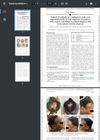 April 2025 in “JAAD Case Reports”
 Topical ruxolitinib and oral minoxidil together can regrow hair in certain types of hair loss.
 April 2025 in “Journal of Cosmetic and Laser Therapy”
 QR678 Neo® improves hair transplant success and hair regrowth.