June 2026 in “Frontiers in Cell and Developmental Biology” Expanded ADSCs improve fat graft survival better than SVF.
 October 2023 in “Facial Plastic Surgery”
 The PHAT technique effectively rejuvenates lips and face.
 January 2024 in “Wiadomości Lekarskie”
 Autologous fat grafting for facial regeneration is widely used but lacks evidence on the best methods.
 5 citations
,
April 2005 in “Clinics in Plastic Surgery”
5 citations
,
April 2005 in “Clinics in Plastic Surgery” Micrografts and minigrafts for hair restoration provide high patient satisfaction and can cover large areas of hair loss, including sideburns, eyebrows, and beards.
6 citations
,
July 2018 in “Plastic & Reconstructive Surgery” Following recommended practices can make gluteal fat transplantation safer.
 September 2018 in “Plastic and Reconstructive Surgery – Global Open”
 Using real-time ultrasound during gluteal fat grafting is safe and reduces complication risks.
July 2026 in “Plastic and Aesthetic Research” Fat transplantation is becoming important in medicine for repairing tissues and delivering drugs.
 3 citations
,
July 2023 in “Plastic and reconstructive surgery/PSEF CD journals”
3 citations
,
July 2023 in “Plastic and reconstructive surgery/PSEF CD journals” Nanofat grafting improves scars, rejuvenates skin, and may help hair growth safely, but more research is needed.
 7 citations
,
March 2002 in “Aesthetic Surgery Journal”
7 citations
,
March 2002 in “Aesthetic Surgery Journal” In 2002, hair restoration improved by using a different area for grafts and absorbable sutures, leading to less discomfort and better results.
 3 citations
,
April 2016 in “Dermatologic Surgery”
3 citations
,
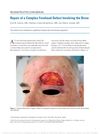
April 2016 in “Dermatologic Surgery” A man's forehead and eyebrow were successfully reconstructed with a skin and hair graft that matched his other eyebrow, without needing frequent trimming.
April 2023 in “Plastic Surgery” Fat grafting is safe and effective in both active and stable phases of localized scleroderma.
 March 2025 in “International Journal of Trichology”
 The combined treatment improved hair growth and scalp health in a patient with scalp alopecia from birth.
 1 citations
,
May 2015 in “Dermatologic Therapy”
1 citations
,
May 2015 in “Dermatologic Therapy” The microstrip technique for hair transplantation is effective and discreet for patients needing fewer than 1500 grafts.
 2 citations
,
May 2005 in “Seminars in Plastic Surgery”
2 citations
,
May 2005 in “Seminars in Plastic Surgery” The Juri Temporo-Parieto-Occipital Flap is a good option for scalp reconstruction and hairline restoration with a natural look, despite some risk of necrosis and scarring.
 50 citations
,
May 1999 in “Journal of Reconstructive Microsurgery”
50 citations
,
May 1999 in “Journal of Reconstructive Microsurgery” Microsurgical reconstruction effectively covers complex scalp defects but doesn't improve survival for cancer-related cases.
 November 2023 in “Journal of Cosmetic Dermatology”
 Injecting a person's own fat into their scalp may help regrow hair and improve hair thickness in different types of hair loss.
 May 2005 in “Seminars in Plastic Surgery”
 The document concludes that using small hair grafts has improved facial and scalp hair restoration.
 5 citations
,
May 2005 in “Seminars in Plastic Surgery”
5 citations
,
May 2005 in “Seminars in Plastic Surgery” Hair transplantation using micrografts and minigrafts is effective and safe for facial and scalp reconstruction with natural-looking results.
January 2001 in “Chinese Journal of Medical Aesthetics and Cosmetology” Micrografts can grow natural hair and most patients are satisfied, but some need multiple procedures.
 6 citations
,
August 2003 in “Aesthetic Surgery Journal”
6 citations
,
August 2003 in “Aesthetic Surgery Journal” Hair restoration using micrografts and minigrafts can provide natural-looking hair without scars and good density in 1 or 2 sessions.
 37 citations
,
September 2014 in “Plastic and Reconstructive Surgery”
37 citations
,
September 2014 in “Plastic and Reconstructive Surgery” Combining microsurgery with craniofacial reconstruction improves aesthetic results and reduces harm to the area where tissue is taken from.
 June 2022 in “Al-Azhar International Medical Journal /Al-Azhar International Medical Journal”
 Adding nano fat to hair transplants improves results for scar-related hair loss.
3 citations
,
December 2013 in “Annals of plastic surgery” The new hair transplant method improves results and reduces surgery time.
 62 citations
,
October 2017 in “JAMA facial plastic surgery”
62 citations
,
October 2017 in “JAMA facial plastic surgery” Condensed nanofat with fat grafts effectively improves atrophic facial scars.
4 citations
,
July 2023 in “Experimental Dermatology” Fat grafting reduces scar fibrosis but may slow skin healing.
 2 citations
,
July 2020 in “International journal of regenerative medicine”
2 citations
,
July 2020 in “International journal of regenerative medicine” Autologous fat transfer improves hair growth in scarring alopecia and allows for denser hair transplants.
3 citations
,
October 2023 in “Plastic & Reconstructive Surgery Global Open” Nanofat injections before hair transplantation improve eyebrow restoration in burn scars.
 7 citations
,
August 2015 in “Journal der Deutschen Dermatologischen Gesellschaft”
7 citations
,
August 2015 in “Journal der Deutschen Dermatologischen Gesellschaft” Scalp-to-scalp skin grafts quickly heal and hide well under regrown hair, making them good for repairing large scalp defects.
5 citations
,
July 2024 in “Aesthetic Surgery Journal” Fat grafting is more effective and safer for correcting jowls than ligament release.