3 citations
,
April 2023 in “Dermatologica Sinica” PRP treatment may help with alopecia areata, especially in newer cases.
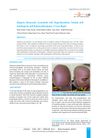 3 citations
,
September 2021 in “Journal of Nepal Medical Association”
3 citations
,
September 2021 in “Journal of Nepal Medical Association” A woman with complete hair loss and severe hyperthyroidism was successfully treated with azathioprine and hydroxychloroquine.
 3 citations
,
November 1999 in “Journal of Cutaneous Medicine and Surgery”
3 citations
,
November 1999 in “Journal of Cutaneous Medicine and Surgery” Examining scalp biopsies in different ways helps better diagnose hair loss types.
3 citations
,
July 2024 in “Journal of Clinical Medicine” Alopecia areata patients have a higher risk of subclinical atherosclerosis, and carotid ultrasound can help assess their cardiovascular risk.
2 citations
,
June 2024 in “Medical Journal of Babylon” Higher CD8+ T cell levels are linked to Alopecia areata in Iraqi patients.
 2 citations
,
October 2022 in “The journal of investigative dermatology/Journal of investigative dermatology”
2 citations
,
October 2022 in “The journal of investigative dermatology/Journal of investigative dermatology” AIRE deficiency causes hair loss similar to alopecia areata in mice.
2 citations
,
August 2022 in “Frontiers in Immunology” Microneedling with betamethasone led to almost complete hair regrowth in severe alopecia areata.
 2 citations
,
January 2014 in “Hair therapy & transplantation”
2 citations
,
January 2014 in “Hair therapy & transplantation” New treatments for hair growth disorders are needed due to limited current options and complex hair follicle biology.
 2 citations
,
December 2004 in “Medicine”
2 citations
,
December 2004 in “Medicine” Different hair and scalp disorders cause hair loss or excess hair growth, with various treatments available depending on the specific condition.
 2 citations
,
July 2023 in “Journal of cosmetic dermatology”
2 citations
,
July 2023 in “Journal of cosmetic dermatology” JAK inhibitors are more effective and safer for treating alopecia areata than dupilumab and apremilast.
 2 citations
,
April 2021 in “International Journal of Dermatology”
2 citations
,
April 2021 in “International Journal of Dermatology” COVID-19 can cause skin issues like hives, rashes, and chickenpox-like eruptions, with women aged 31-40 being the most affected.
 2 citations
,
November 2014 in “The journal of investigative dermatology/Journal of investigative dermatology”
2 citations
,
November 2014 in “The journal of investigative dermatology/Journal of investigative dermatology” Oral tofacitinib can treat both psoriasis and alopecia universalis by normalizing inflammatory pathways.
 2 citations
,
February 2014 in “Journal of Crohn's and colitis”
2 citations
,
February 2014 in “Journal of Crohn's and colitis” Some IBD patients on anti-TNFs developed severe skin issues, but ustekinumab helped.
 2 citations
,
May 2009 in “Medicine”
2 citations
,
May 2009 in “Medicine” Hair and nails can help diagnose diseases, with nail issues often linked to skin conditions and hair loss having various causes and treatments.
 1 citations
,
September 2024 in “Indian Journal of Postgraduate Dermatology”
1 citations
,
September 2024 in “Indian Journal of Postgraduate Dermatology” Trichoscopy effectively diagnoses temporal triangular alopecia in children.
1 citations
,
January 2024 in “Journal of the Egyptian Womenʼs Dermatologic Society” Routine eye exams may be needed for alopecia areata patients due to common eye issues.
1 citations
,
January 2024 in “Dermatologic Therapy” Combining tacrolimus with excimer light is more effective for treating alopecia areata than using excimer light alone.
1 citations
,
January 2022 in “Dermatology Research and Practice” Higher CD70 and CD27 gene expression in alopecia areata lesions predicts disease severity and activity.
1 citations
,
December 2018 in “Indian journal of paediatric dermatology” Kids with alopecia areata had lower vitamin D levels than healthy kids.
 1 citations
,
September 2017 in “Journal of Investigative Dermatology”
1 citations
,
September 2017 in “Journal of Investigative Dermatology” Hair care products reduced hair roughness, a combination of Stemoxydine and Resveratrol increased hair density, fermented mackerel oil promoted hair growth, and genes TERT and Bmi-1 helped create new hair follicles.
 1 citations
,
May 2017 in “InTech eBooks”
1 citations
,
May 2017 in “InTech eBooks” The document explains the causes, types, diagnosis, and treatments of hair loss, and its psychological impact, especially on women.
 1 citations
,
November 2014
1 citations
,
November 2014 The document explains hair and nail biology, common hair loss conditions and treatments, oral and genital skin diseases, and the risks and treatments associated with squamous cell carcinoma.
 1 citations
,
July 2010 in “Dermatologic Surgery”
1 citations
,
July 2010 in “Dermatologic Surgery” Splitting one hair follicle into two can help regrow hair with a 50% to 70% success rate, useful when donor hair is limited.
1 citations
,
October 2024 in “Medicina” CLEC4D gene variants may increase the risk of alopecia areata in Jordanians.
 March 2026 in “Frontiers in Pediatrics”
 COVID-19 may trigger hair loss conditions like alopecia areata.
 August 2025 in “Frontiers in Microbiology”
 Microneedling, especially with halometasone, improves hair regrowth and gut health in alopecia areata.
 August 2024 in “New Zealand Medical Student Journal”
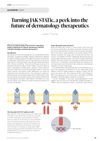
 JAK inhibitors show promise for treating skin diseases effectively and safely.
July 2024 in “Journal of Controlled Release” Nanostructured lipid carriers effectively deliver tofacitinib to hair follicles, reversing hair loss in alopecia areata.
 October 2023 in “Applied materials today”
 New treatment for hair loss using special microneedles shows promise in reducing inflammation and promoting hair growth.
 June 2023 in “Skin Research and Technology”
 High-resolution MRI can distinguish between tertiary androgenetic alopecia and severe alopecia areata by measuring scalp and tissue thickness and hair follicle depth.