 November 2025 in “SKIN The Journal of Cutaneous Medicine”
 Baricitinib effectively regrows scalp hair in most people with severe alopecia areata.
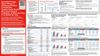 November 2025 in “SKIN The Journal of Cutaneous Medicine”
 Baricitinib works better in adolescents than adults for treating severe alopecia areata.
 October 2025 in “Dermatology Practical & Conceptual”
 Psoriasis patients are more likely to develop alopecia areata due to complex autoimmune interactions.

Combining psychodermatology and PRP therapy can improve skin condition treatment by addressing both mental and physical health.
 October 2025 in “Progress In Microbes & Molecular Biology”
 PCOS is linked to gut bacteria changes, suggesting gut-focused treatments might help.

Baricitinib effectively regrows hair in severe alopecia areata cases.
 October 2025 in “Cermin Dunia Kedokteran”
 Chronic obstructive pulmonary disease (COPD) is managed with personalized medication to ease symptoms and improve life quality.
 September 2025 in “Cureus”
 GLP-1 agonists may help treat certain skin conditions.
 September 2025 in “International Journal of Innovative Technologies in Social Science”
 Biologic agents are effective for severe hidradenitis suppurativa when other treatments fail.
 August 2025 in “Archiv Euromedica”
 Gut microbiota changes might play a role in alopecia areata, and microbiome-targeted treatments show promise.
 August 2025 in “Journal of the Pakistan Medical Association”
 Skin issues might be linked to infertility.
 July 2025 in “Pakistan Journal of Intensive Care Medicine”
 Clobetasol propionate 0.05% ointment is more effective than tacrolimus 0.1% ointment for treating alopecia areata.
 July 2025 in “Scientific Reports”
 Pioglitazone, Trimipramine, and Dimetindene may be repurposed to treat psoriasis.
 July 2025 in “International Journal of Dermatology Venereology and Leprosy Sciences”
 Higher stress levels may worsen alopecia areata, suggesting stress management is important for treatment.

Consider cultural practices and barriers for effective alopecia areata treatment.

Survivors of severe COVID-19 need ongoing care to manage lasting health issues.
 March 2025 in “International Journal of AYUSH Case Reports”
 Individualized homeopathy may help treat alopecia areata.
 January 2025 in “Balkan Medical Journal”
 Baricitinib helps regrow hair in severe alopecia areata and is safe, but more research is needed.
 January 2025 in “SKIN The Journal of Cutaneous Medicine”
 Calcipotriol's effectiveness for treating alopecia areata is unclear and needs more research.
 January 2025 in “Acta Dermato Venereologica”
 Mothers with alopecia areata have a higher risk of adverse birth outcomes.
 January 2025 in “Acta Dermatovenerologica Alpina Pannonica et Adriatica”
 JAK inhibitors can help regrow hair in alopecia areata but have potential long-term risks and require careful monitoring.
 January 2025 in “ARC Journal of Clinical Case Reports”
 Encapsulated retinol may effectively treat actinic keratosis without side effects.
 January 2025 in “RSC Pharmaceutics”
 Smart microneedles using advanced tech could improve psoriasis treatment.
 December 2024 in “Clinical Cosmetic and Investigational Dermatology”
 Alopecia areata might help slow down certain cancers.
 October 2024 in “La Tunisie Médicale”
 Over half of alopecia areata patients in Tunisia experience depression, highlighting the need for psychological support.
 September 2024 in “World Journal of Advanced Research and Reviews”
 COVID-19 can harm many body parts, not just the lungs.
 August 2024 in “Bioscience of Microbiota Food and Health”
 Microbes might play a role in vitiligo.
 March 2024 in “IP Indian journal of clinical and experimental dermatology”
 Elderly in South India commonly suffer from skin issues like wrinkles, dryness, and infections, needing better skin care education.

Early-onset baldness is linked to genetics, lifestyle, and can indicate higher risk for heart and metabolic diseases, and affects mental health.
 March 2024 in “Clinical, cosmetic and investigational dermatology”
 Upadacitinib may effectively treat alopecia areata without side effects.