26 citations
,
October 2017 in “PubMed” Isotretinoin and acitretin may effectively stabilize the hairline in patients with frontal fibrosing alopecia.
 22 citations
,
April 2011 in “Anais Brasileiros de Dermatologia”
22 citations
,
April 2011 in “Anais Brasileiros de Dermatologia” Hair transplants can lead to hair loss from lichen planopilaris, and patients should be tested and wait two years before the procedure.
 18 citations
,
September 2006 in “Dermatologic Surgery”
18 citations
,
September 2006 in “Dermatologic Surgery” Aggressive scalp squamous cell carcinomas have a high death rate and need early, strong treatment.
11 citations
,
September 1988 in “Annals of Plastic Surgery” Topical minoxidil can help some men regrow hair, but results vary and may decline after a year.
 10 citations
,
January 2016 in “Dermatology online journal”
10 citations
,
January 2016 in “Dermatology online journal” Adults with persistent scalp issues unresponsive to typical treatments should be tested for the fungal infection tinea capitis to start the right antifungal medication.
 9 citations
,
January 2017 in “Dermatology Online Journal”
9 citations
,
January 2017 in “Dermatology Online Journal” Some hair loss drugs can cause a unique type of hair loss that resembles both psoriasis and alopecia.
 6 citations
,
January 2017 in “British Journal of Dermatology”
6 citations
,
January 2017 in “British Journal of Dermatology” Frontal fibrosing alopecia is a scarring hair loss condition mainly affecting older women, with no known cause and treatments that may help stabilize hair loss.
 4 citations
,
August 1978 in “PubMed”
4 citations
,
August 1978 in “PubMed” Many women's hair loss is due to health issues, medication, nutrition, or stress.
3 citations
,
January 2025 in “Journal of the American Academy of Dermatology” Early diagnosis and a multidisciplinary approach are crucial for managing Frontal Fibrosing Alopecia.
2 citations
,
April 2019 in “PubMed” Hidradenitis suppurativa is a chronic skin condition causing painful lumps and scarring, often triggered by smoking and obesity, and requires varying treatments based on severity.
 2 citations
,
June 2018 in “Journal of the American Academy of Dermatology”
2 citations
,
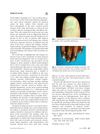
June 2018 in “Journal of the American Academy of Dermatology” Alopecia areata causes varying hair loss and nail changes, and treatments include topical, systemic, and injectable therapies.
 2 citations
,
July 1999 in “International Journal of Clinical Practice”
2 citations
,
July 1999 in “International Journal of Clinical Practice” Common baldness treatments include cosmetic methods, medication like minoxidil, and surgery, but no cure exists.
 2 citations
,
October 2020 in “International Journal of Dermatology”
2 citations
,
October 2020 in “International Journal of Dermatology” Lichen planopilaris in men often involves scalp redness and itching, with some also having hair loss, mucosal lichen planus, or thyroid disease, and treatment improved symptoms in nearly half of the cases.
 1 citations
,
March 2020 in “Australasian Journal of Dermatology”
1 citations
,
March 2020 in “Australasian Journal of Dermatology” The paper concludes that recognizing bitemporal alopecia areata is important for early treatment and preventing its progression.
June 2026 in “Brazilian Journal of Health Review” Moderate regular exercise may help manage male pattern baldness.
November 2025 in “European Journal of Endocrinology” Hair steroid profiling is a feasible, non-invasive alternative to serum analysis for assessing hormone levels and metabolism.
August 2025 in “Romanian Journal of Rheumatology” Early diagnosis and treatment of SLE are crucial to prevent severe complications.
 May 2025 in “The Journal of Rheumatology”
 Regular monitoring of autoantibodies in ANA-positive patients with hair loss helps detect and treat lupus early.
 December 2024 in “Brazilian Journal of Health Review”
 Early diagnosis of alopecia frontal fibrosante is crucial, but treatment remains controversial and varies.
 March 2024 in “Poster presentations”
 Anifrolumab improves quality of life and reduces steroid use in SLE patients.
 January 2024 in “International journal of homoeopathic sciences”
 Early intervention and patient education are crucial for managing alopecia areata.
 October 2023 in “Dermatology practical & conceptual”
 Hair loss might be linked to eye aging due to inflammation markers in blood.
 March 2023 in “International Journal of Trichology”
 Using both minoxidil and finasteride together is more effective for male hair loss than using either one alone.
July 2019 in “Medical Science and Discovery” Early diagnosis and treatment can prevent or delay frontal fibrosing alopecia progression in postmenopausal women.
December 2018 in “International journal of women’s dermatology” Differences in skin and gut bacteria may contribute to alopecia areata.
January 2014 in “Journal of Jilin University” Higher levels of certain immune cells and proteins are linked to more severe lupus symptoms.
 March 2004 in “Journal of The American Academy of Dermatology”
 Patients with SLE experienced non-scarring hair loss with fewer hair follicles, and DIF did not help identify lupus.
June 2026 in “British Journal of Dermatology” Frontal fibrosing alopecia is linked to thyroid disease, lupus, vitiligo, and heart disease.
January 2026 in “European Journal of Therapeutics” Topical dapsone may effectively treat lichen planopilaris in the beard, especially for those who can't tolerate standard treatments.
June 2023 in “Institutional Repositories DataBase (IRDB)” COVID-19 can cause various skin symptoms, with different patterns seen in younger and older patients.