 47 citations
,
September 2015 in “Journal of Drug Delivery Science and Technology”
47 citations
,
September 2015 in “Journal of Drug Delivery Science and Technology” Nanoparticulate systems improve drug delivery by controlling release, protecting drugs, changing absorption and distribution, and concentrating drugs in targeted areas.
 23 citations
,
January 2022 in “Biomaterials Science”
23 citations
,
January 2022 in “Biomaterials Science” Non-viral vectors show promise for safe and effective CRISPR/Cas9 gene editing in treating diseases.
21 citations
,
June 2023 in “Journal of Nanobiotechnology” Engineered extracellular vesicles could improve CRISPR/Cas delivery, making gene editing safer and more effective.
 1 citations
,
November 2018 in “Therapeutic Delivery”
1 citations
,
November 2018 in “Therapeutic Delivery” New partnerships, clinical trials, and drug approvals marked progress in therapeutic delivery in July 2018.
 September 2023 in “HAL (Le Centre pour la Communication Scientifique Directe)”
 Peptide nanoparticles can effectively deliver CRISPR-Cas9 to target KRAS mutations in cancer.
 51 citations
,
June 2021 in “Signal Transduction and Targeted Therapy”
51 citations
,
June 2021 in “Signal Transduction and Targeted Therapy” The document concludes that while there are promising methods to control CRISPR/Cas9 gene editing, more research is needed to overcome challenges related to safety and effectiveness for clinical use.
 9 citations
,
June 2021 in “International Journal of Pharmaceutics”
9 citations
,
June 2021 in “International Journal of Pharmaceutics” Using polymeric micelles to deliver spironolactone topically could improve wound healing in skin affected by glucocorticoids.
 75 citations
,
November 2016 in “Medicines”
75 citations
,
November 2016 in “Medicines” Beta-sitosterol has potential health benefits but needs more research to fully understand its effects and improve its use in treatments.
 12 citations
,
January 2018 in “Journal of Drug Delivery Science and Technology”
12 citations
,
January 2018 in “Journal of Drug Delivery Science and Technology” The new particle system could be a promising treatment for diseases related to the 5-α reductase enzyme.
 November 2023 in “ACS Omega”
 New liposome treatment successfully delivers CRISPR to deactivate a key enzyme in androgen-related disorders.
1 citations
,
September 2021 in “Pharmaceutics” High-dose finasteride may help treat glioblastoma but needs localized delivery for effectiveness.
 September 2025 in “Advanced Pharmaceutical Bulletin”
 Genosomes are promising for safe and effective gene delivery in therapy.
August 2025 in “MedComm – Biomaterials and Applications” Liposomal delivery systems improve drug absorption through the skin, offering potential for better treatments.
March 2024 in “Journal of pharmacy & pharmaceutical sciences” Polymeric microneedles offer a less invasive, long-lasting drug delivery method that improves patient compliance and reduces side effects.
4 citations
,
May 2025 in “International Journal of Nanotechnology and Nanomedicine” Nanocarriers show promise for improving skin drug delivery in treating skin conditions.
2 citations
,
November 2025 in “Pharmaceutics” Cell-mediated drug delivery systems improve skin disease treatment by using living cells for precise, prolonged, and less toxic therapy.
 3 citations
,
January 2022 in “Pharmaceutics”
3 citations
,
January 2022 in “Pharmaceutics” Nanostructured delivery systems could potentially improve hair loss treatment by targeting drugs to hair follicles, reducing side effects and dosage, but the best size, charge, and materials for these systems need further investigation.
 October 2023 in “Scientific Reports”
 Gene therapy helped rats with a specific type of rickets grow hair without severe inflammation.
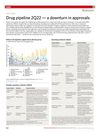 August 2022 in “Nature Biotechnology”
 Drug approvals slowed in 2Q22, but notable drugs like Amvuttra, Camzyos, and Olumiant were approved.
 31 citations
,
July 2017 in “Clinical Science”
31 citations
,
July 2017 in “Clinical Science” MicroRNAs are important for skin health and could be targets for new skin disorder treatments.
 September 2025 in “Journal of Drug Delivery and Therapeutics”
 Targeting hair follicles can effectively promote hair growth and treat hair disorders.
 88 citations
,
January 2011 in “Annals of Dermatology”
88 citations
,
January 2011 in “Annals of Dermatology” The document concludes that specific itchy skin diseases during pregnancy have varying fetal risks and treatments, including corticosteroids and other medications.
34 citations
,
November 2023 in “Applied Materials Today” Nanoemulsions can effectively treat skin cancer with fewer side effects.
25 citations
,
June 2024 in “Pharmaceutics” Scaffold-based drug delivery systems improve oral cancer treatment by targeting drugs directly to cancer cells, reducing side effects.
 September 2025 in “International Journal of Innovative Technologies in Social Science”
 Dutasteride is more effective than finasteride for hair loss, but more research is needed on safety and dosing.
 June 2010 in “Expert Review of Dermatology”
 Scientists found key proteins and genes that affect skin and hair health, and identified potential new treatments for hair loss, skin disorders, and wound healing.
24 citations
,
July 2023 in “Journal of Functional Biomaterials” Bubble-based systems show promise for precise, targeted drug delivery and diagnosis, especially in cancer treatment.
 147 citations
,
January 2003 in “American journal of clinical dermatology”
147 citations
,
January 2003 in “American journal of clinical dermatology” The document concludes that accurate diagnosis of ichthyosis is crucial for treatment and genetic advice, and ongoing research is needed for better therapies.
 February 2024 in “International Journal For Multidisciplinary Research”
 Nanostructured lipid carriers are effective for treating hyperpigmentation in women aged 30-40.
 97 citations
,
September 2011 in “British Journal of Dermatology”
97 citations
,
September 2011 in “British Journal of Dermatology” The human hair follicle can store topical compounds and be targeted for drug delivery with minimal side effects.