1 citations
,
October 2025 in “Biology of Sex Differences” Gender and social factors, not just biology, affect COVID-19 death rates.
1 citations
,
May 2022 in “IntechOpen eBooks” Natural products might help treat COVID-19, but current drugs like hydroxychloroquine haven't worked.
 September 2024 in “The Italian Journal of Pediatrics/Italian journal of pediatrics”
 COVID-19 vaccination may be linked to MIS-C in children, highlighting the need for quick diagnosis and treatment.
25 citations
,
June 2023 in “Biomedicines” Men generally face more severe COVID-19 outcomes than women, partly due to hormonal differences.
25 citations
,
November 2022 in “Frontiers in Bioengineering and Biotechnology” Composite biodegradable biomaterials can improve diabetic wound healing but need more development for clinical use.
20 citations
,
November 2022 in “Nutrients” Placenta extract may protect and improve liver health by reducing stress, inflammation, and cell death, and promoting regeneration.
14 citations
,
July 2022 in “Applied Sciences” Extracellular vesicles can help repair and regenerate tissues with less risk of rejection.
 May 2025 in “Orphanet Journal of Rare Diseases”
 TNF-α blockers and IL inhibitors improve symptoms in most patients with severe scalp condition, but more research is needed.
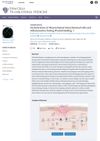 July 2023 in “Stem Cells Translational Medicine”
 Mesenchymal Stem/Stromal Cells (MSCs) help in wound healing and tissue regeneration, but can also contribute to tumor growth. They show promise in treating chronic wounds and certain burns, but their full healing mechanisms and potential challenges need further exploration.
32 citations
,
May 2022 in “Frontiers in Pharmacology” The method effectively predicts new drug uses, including potential COVID-19 treatments.
 November 2022 in “Journal of clinical images and medical case reports”
 COVID-19 can cause hair loss in both severe and mild cases, often affecting women.
 353 citations
,
February 2022 in “Nature Immunology”
353 citations
,
February 2022 in “Nature Immunology” Long-haul COVID can cause lasting symptoms affecting many body systems and may be linked to ongoing inflammation and immune system issues.
49 citations
,
October 2024 in “Frontiers in Immunology” Polysaccharides boost immunity and could help prevent and treat diseases.
22 citations
,
January 2021 in “Clinical Therapeutics” Men face more severe COVID-19 outcomes, while women are more likely to have long-term symptoms.
 19 citations
,
November 2021 in “Reviews in endocrine and metabolic disorders”
19 citations
,
November 2021 in “Reviews in endocrine and metabolic disorders” Sex hormones like estrogen and testosterone may affect COVID-19 severity differently in men and women, potentially influencing prevention and treatment strategies.
 18 citations
,
November 2021 in “Anais Brasileiros de Dermatologia”
18 citations
,
November 2021 in “Anais Brasileiros de Dermatologia” COVID-19 can cause various skin issues, like rashes and lesions, which are more common in younger patients and can be linked to more severe complications.
15 citations
,
March 2023 in “BioMed” MIS-A is a severe complication after COVID-19, mostly in young black males, needing more research and awareness.
12 citations
,
November 2024 in “Burns & Trauma” Neuroregulation is crucial for skin wound healing and can be targeted to improve recovery.
 9 citations
,
January 2020 in “Critical Reviews in Immunology”
9 citations
,
January 2020 in “Critical Reviews in Immunology” MAIT cells may help fight COVID-19 but also contribute to severe inflammation.
7 citations
,
June 2022 in “Biology” Men with more CAG repeats in the androgen receptor gene and lower testosterone levels may experience more severe COVID-19.
6 citations
,
January 2024 in “Cancers” Antiandrogens don't help with COVID-19 and aren't recommended.
4 citations
,
December 2017 in “InTech eBooks” Lifestyle changes and insulin-sensitizing drugs are effective for managing PCOS.
 3 citations
,
December 2023 in “Cell proliferation”
3 citations
,
December 2023 in “Cell proliferation” Stuff from umbilical cord stem cells helps skin heal and look younger.
 3 citations
,
October 2023 in “Military Medical Research/Military medical research”
3 citations
,
October 2023 in “Military Medical Research/Military medical research” Regulatory T cells help heal skin and grow hair, and their absence can lead to healing issues and hair loss.
2 citations
,
May 2025 in “Frontiers in Immunology” Ursolic acid may help develop new anti-inflammatory drugs by affecting immune cells.
2 citations
,
April 2025 in “BMC Infectious Diseases” Long COVID affects about 27% of patients, with higher risk for women, lower education, and certain income levels.
2 citations
,
August 2024 in “Heliyon” Metformin may help mild COVID-19 cases, while Oseltamivir, Tamoxifen, and Dexamethasone are suggested for severe cases.
1 citations
,
December 2022 in “Journal of Family Medicine and Primary Care” Many people in Central India have long-term health issues after COVID-19, highlighting the need for prevention and support programs.
March 2026 in “Annals of Medicine” Standardized tools and treatments are needed to better manage long COVID-19 in kids and teens.
January 2026 in “Experimental Dermatology” Keratinocytes contribute to hidradenitis suppurativa by causing inflammation and worsening the condition.