 8 citations
,
June 2022 in “Frontiers in Medicine”
8 citations
,
June 2022 in “Frontiers in Medicine” Both individual and combined treatments of tofacitinib and corticosteroids can help regrow hair in moderate-to-severe alopecia areata, but ongoing treatment may be necessary.
3 citations
,
July 2024 in “Archives of Dermatological Research” Oral ritlecitinib and baricitinib are promising treatments for severe alopecia areata due to their balance of effectiveness and safety.
2 citations
,
April 2024 in “Dermatology Practical & Conceptual” Patients on psoriatic drugs need regular dental check-ups to prevent oral issues.
 September 2023 in “Food and chemical toxicology”
 High doses of some selenium supplements caused liver and reproductive harm in rats.
September 2023 in “Journal of the American Academy of Dermatology” Methylprednisolone treatment helps most alopecia areata patients, but young age, extensive hair loss, and low vitamin D can affect results.
April 2025 in “American Journal of Therapeutics” 1 citations
,
March 2011 in “Hospital Pharmacy” Various medications and vaccines can cause serious side effects.
 52 citations
,
June 1981 in “International Journal of Dermatology”
52 citations
,
June 1981 in “International Journal of Dermatology” Oral retinoids are effective for severe skin conditions but require careful use due to side effects.
September 2009 in “MedEdPORTAL” The structured oral exam format is effective and well-received for teaching internal medicine.
 41 citations
,
September 2018 in “Australasian journal of dermatology”
41 citations
,
September 2018 in “Australasian journal of dermatology” No systemic treatment for alopecia areata has strong evidence of effectiveness.
 December 2025 in “Cosmoderma”
 Systemic corticosteroids help manage vitiligo by slowing progression and aiding repigmentation.
 108 citations
,
November 1980 in “British Journal of Dermatology”
108 citations
,
November 1980 in “British Journal of Dermatology” Oral retinoids are effective for various skin conditions but have side effects and should not be used during pregnancy.
97 citations
,
January 2006 in “Dermatology” imTA and pulse therapy are effective for alopecia areata with manageable side effects, but relapse rates need improvement.
15 citations
,
September 2021 in “Journal of Clinical Medicine” High-dose oral minoxidil in children can cause increased hair growth, especially on the face.
 9 citations
,
January 2020 in “Rheumatology Advances in Practice”
9 citations
,
January 2020 in “Rheumatology Advances in Practice” SLE is rare in Uganda but often has complications and overlaps with rheumatoid arthritis.
6 citations
,
August 2023 in “Journal of Investigative Dermatology” Skin plays a key role in managing iron levels, and inflammation can affect systemic iron, potentially causing anemia.
 6 citations
,
April 2020 in “Cureus”
6 citations
,
April 2020 in “Cureus” A woman with both TLE and SLE improved with hydroxychloroquine treatment.
 5 citations
,
January 2020 in “Skin appendage disorders”
5 citations
,
January 2020 in “Skin appendage disorders” Oral dutasteride works better for hair loss, but has more sexual side effects; intralesional dutasteride is a possible alternative.
4 citations
,
January 2017 in “PubMed” A girl with lupus had unusually long and thick eyelashes, a rare symptom of her condition.
 3 citations
,
June 2023 in “Journal of cosmetic dermatology”
3 citations
,
June 2023 in “Journal of cosmetic dermatology” A new drug, abrocitinib, helped a child with severe hair loss regrow hair.
3 citations
,
January 2000 in “Journal of Dermatological Treatment” Oral calcitriol helped improve scleroderma and hair regrowth in a young woman.
 2 citations
,
January 2023 in “Journal of Dermatology”
2 citations
,
January 2023 in “Journal of Dermatology” Some types of hair loss can continue for a long time after recovering from a severe drug reaction known as DRESS.
 1 citations
,
November 2015 in “Journal of Evolution of Medical and Dental Sciences”
1 citations
,
November 2015 in “Journal of Evolution of Medical and Dental Sciences” Certain skin symptoms can help detect and manage systemic lupus.

Combining platelet-rich plasma with other treatments may improve hair growth in androgenetic alopecia.

Combining platelet-rich plasma with other treatments may improve hair growth in androgenetic alopecia.
May 2026 in “Skin Appendage Disorders” Combining PRP with other treatments may improve hair growth more than PRP alone.
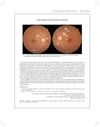 April 2026 in “The National Medical Journal of India”
 Regular eye exams are important for detecting serious complications in lupus patients.
 March 2026 in “Lithuanian University of Health Sciences”
 Finasteride, dutasteride, and oral minoxidil are effective for treating hair loss, with spironolactone as an option for women.

Janus kinase inhibitors are the most supported treatment for pediatric alopecia areata, while other options have limited evidence.

Low-dose oral minoxidil is generally safe for treating hair loss, with mostly mild side effects.