 113 citations
,
June 2019 in “F1000Research”
113 citations
,
June 2019 in “F1000Research” Scarless healing is complex and influenced by genetics and environment, while better understanding could improve scar treatment.
5 citations
,
February 2022 in “Seminars in cell & developmental biology” Recent findings suggest that genetic factors, immune system issues, and skin cell defects might contribute to the development of hidradenitis suppurativa.
733 citations
,
September 2009 in “Journal of Cell Science” Wound healing is a complex, multi-phase process involving various cells and activities to repair skin damage.
107 citations
,
October 2022 in “Frontiers in Immunology” T cells and inflammation are crucial in atherosclerosis, with anti-inflammatory treatments showing promise.
 12 citations
,
April 2015 in “InTech eBooks”
12 citations
,
April 2015 in “InTech eBooks” Platelet Rich Plasma (PRP) shows promise for tissue repair and immune response, but more research is needed to fully understand it and optimize its use.
 5 citations
,
July 1991 in “Irish Journal of Medical Science (1971 -)”
5 citations
,
July 1991 in “Irish Journal of Medical Science (1971 -)” Immunosuppressive therapy helps manage autoimmune diseases but carries risks like infection and potential for malignancy.
 36 citations
,
January 2014 in “Elsevier eBooks”
36 citations
,
January 2014 in “Elsevier eBooks” The skin is a complex barrier that protects the body, regulates temperature, and helps with immune responses.
 19 citations
,
October 2017 in “The FASEB Journal”
19 citations
,
October 2017 in “The FASEB Journal” Male hormones cause different growth in identical human hair follicles due to their unique epigenetic characteristics.
 59 citations
,
June 2022 in “Frontiers in medicine”
59 citations
,
June 2022 in “Frontiers in medicine” There are still challenges in diagnosing and treating chronic skin diseases, but there is hope for future improvements.
January 2026 in “Advances in Clinical and Experimental Medicine” Regulatory T cells and mesenchymal stem cells work together to prevent immune system overreactions and tissue damage.
July 2024 in “Journal of Investigative Dermatology” CD8+ T cells expand significantly in alopecia areata, suggesting new treatment targets.
 22 citations
,
April 1998 in “Dermatologic Clinics”
22 citations
,
April 1998 in “Dermatologic Clinics” Interferons are effective for some skin conditions and cancers, but can have side effects and need more research for optimal use.
 43 citations
,
February 2019 in “International immunology”
43 citations
,
February 2019 in “International immunology” Special immune cells called Regulatory T cells help control skin inflammation and repair in various skin diseases.
1 citations
,
January 2021 PRP is effective for treating patchy alopecia areata.
3 citations
,
November 2011 in “Small GTPases” Researchers found that hair follicle stem cells can become squamous cell carcinoma due to Ras activation, which could lead to new treatments.
4 citations
,
February 2019 in “BioMed Research International” Ebastine may promote hair regrowth by increasing cell growth through the ERK pathway.
 1 citations
,
March 2024 in “Signal transduction and targeted therapy”
1 citations
,
March 2024 in “Signal transduction and targeted therapy” NF-κB signaling is crucial in many diseases and can be targeted for new treatments.
 50 citations
,
January 2016 in “The FEBS journal”
50 citations
,
January 2016 in “The FEBS journal” RANK is a key target in breast cancer treatment due to its role in tumor growth and bone metastasis.
 January 2026 in “Inflammation and Regeneration”
 Two-photon microscopy improves skin imaging but faces safety and cost challenges for clinical use.
 April 2021 in “Sohag Medical Journal”
 Alopecia areata is an autoimmune condition causing hair loss, linked to genetic factors and immune system issues, with no cure yet.
 127 citations
,
January 2015 in “Journal of Biological Rhythms”
127 citations
,
January 2015 in “Journal of Biological Rhythms” The skin's internal clock affects healing, cancer risk, aging, immunity, and hair growth, and disruptions can harm skin health.
 3 citations
,
August 2024
3 citations
,
August 2024 Deep skin fibroblasts help recruit immune cells for better wound healing.
2 citations
,
June 2024 in “Medical Journal of Babylon” Higher CD8+ T cell levels are linked to Alopecia areata in Iraqi patients.
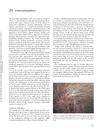 April 2012 in “Informa Healthcare eBooks”
 Lichen planopilaris is a rare, chronic condition causing hair loss, mainly in middle-aged women, and early treatment is important to prevent permanent baldness.
 October 2015 in “Elsevier eBooks”
 Aldesleukin can treat certain cancers and increase HIV patient CD4+ counts but often causes severe side effects.
 1 citations
,
June 2021 in “Journal of dermatology and dermatitis”
1 citations
,
June 2021 in “Journal of dermatology and dermatitis” Tyrosine kinase inhibitors show promise in treating some skin diseases but their definitive role in dermatology is still unclear.
 49 citations
,
March 2019 in “Journal of Investigative Dermatology”
49 citations
,
March 2019 in “Journal of Investigative Dermatology” Skin fat plays a key role in immune defense and healing beyond just storing energy.
 25 citations
,
March 2012 in “Journal of Dermatological Science”
25 citations
,
March 2012 in “Journal of Dermatological Science” Genetic variants linked to ten skin diseases were found, showing both immune and non-immune factors play a role.
 October 2025 in “Clinical Cosmetic and Investigational Dermatology”
 Targeting specific cell interactions may help treat skin fibrosis.
 23 citations
,
October 2018 in “Australasian Journal of Dermatology”
23 citations
,
October 2018 in “Australasian Journal of Dermatology” The current understanding of frontal fibrosing alopecia involves immune, genetic, hormonal factors, and possibly environmental triggers, but more research is needed for effective treatments.