
The document listed various medical job opportunities with competitive benefits and living conditions.
 March 2025 in “GSC Biological and Pharmaceutical Sciences”
 Wood tar could be useful for skin care in dermatology and cosmetics.
March 2026 in “ACS Applied Bio Materials” The TO-TF copolymer strengthens damaged hair effectively and sustainably.
33 citations
,
January 1977 in “PubMed” Feeding rats oxidized rapeseed oil and lard caused weight loss, organ damage, and toxicity symptoms.
 December 2024 in “Animals”
 Tithonia diversifolia extract improved digestion but didn't enhance lamb growth.
 19 citations
,
July 1993 in “Journal of Applied Toxicology”
19 citations
,
July 1993 in “Journal of Applied Toxicology” Different oil products cause varying levels of skin irritation in mice, which could potentially lead to tumors.
 March 2026 in “Buletin Veteriner Udayana”
 The dog's skin condition and worm infection improved with a combination of candlenut oil and other treatments.
 April 2024 in “JCT research” May 2026 in “Waste and Biomass Valorization”
  June 2026 in “Food Science and Human Wellness”
 Tail fat from Lanzhou Fat-Tailed sheep helps heal skin wounds by reducing inflammation and promoting tissue repair.
 2 citations
,
February 2022 in “BMJ”
2 citations
,
February 2022 in “BMJ” Emollients can make fabrics more flammable, so take safety precautions.
 May 2017 in “Journal of The American Academy of Dermatology”
 An intact skin barrier is crucial to prevent infection in cases of tether-induced tenosynovitis.
 2 citations
,
January 2009 in “Journal of Oleo Science”
2 citations
,
January 2009 in “Journal of Oleo Science” Commercial diets need specific oil standards to ensure reliable animal health.
 92 citations
,
September 2015 in “Journal of Lipid Research”
92 citations
,
September 2015 in “Journal of Lipid Research” Skin fat helps with body temperature control and has other active roles in health.
 14 citations
,
July 2012 in “Journal of the American Academy of Dermatology”
14 citations
,
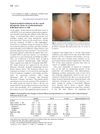
July 2012 in “Journal of the American Academy of Dermatology” Topical tacalcitol ointment can help improve symptoms of EFFC.
 January 2024 in “Figshare”
 Turpentine ointment is an effective and safe treatment for folliculitis.
 1 citations
,
May 2014 in “Lipid Technology”
1 citations
,
May 2014 in “Lipid Technology” New cleaning surfactants, biofuel production plans, dairy expansions, improved lipid testing methods, and various product launches and developments were reported in lipid technology.
8 citations
,
October 1979 in “PubMed” Jute-batching oil alone didn't cause cancer in mice, but it may promote cancer when combined with another carcinogen.
 January 2024 in “Figshare”
 Turpentine ointment is effective and safe for treating folliculitis.
 32 citations
,
November 2004 in “Journal of pharmaceutical sciences”
32 citations
,
November 2004 in “Journal of pharmaceutical sciences” Different tea tree oil mixtures absorb into hair follicles at varying levels, with microemulsion being the most effective.
21 citations
,
May 2014 in “Toxicological Sciences” Toluene diisocyanate exposure can cause immune sensitization by interacting with proteins in hair follicles and sebaceous glands.
 September 2022 in “KnE medicine”
 Higher candle nut oil concentration increases droplet size and changes the hair tonic's properties and stability.
2 citations
,
March 2023 in “Journal of Public Health in Africa” Combining beeswax and oleum cacao in the carrier system boosts hair growth.

A new method improves betulin delivery in experiments, showing promise against certain tumors.
 August 2024 in “Veterinary Dermatology”
 Topical ceramide treatment partially improves the skin condition in Jack Russell Terriers with a genetic skin disorder.

Gel 2, with shark liver and borage oil, is effective for reducing inflammation and healing wounds.
9 citations
,
November 2017 in “Frontiers in Pharmacology” Shengfu oil speeds up wound healing by reducing inflammation and promoting tissue repair.
 5 citations
,
January 2009
5 citations
,
January 2009 Betamethasone is more effective than Tacrolimus and soft paraffin for hair regrowth in patchy alopecia areata.
Apeiba tibourbou seed oil has analgesic and anti-inflammatory effects, making it potentially useful for food and medicine.
October 2025 in “Coloration Technology” Delipidised wool is brighter, dyes better, and is more eco-friendly.