11 citations
,
April 2025 in “Pharmaceutics” New treatments like plant extracts, nanocarriers, and 3D bioprinting show promise for hair loss, but more research is needed.
2 citations
,
November 2025 in “Pharmaceutics” Cell-mediated drug delivery systems improve skin disease treatment by using living cells for precise, prolonged, and less toxic therapy.
 April 2026 in “Zenodo (CERN European Organization for Nuclear Research)”
 Nanocarrier systems could improve hair loss treatments by delivering drugs more effectively.
February 2026 in “Exploration” Advancements in gene therapy, stem cells, and biomaterials show promise for reducing scarring in wound healing, but face clinical challenges.
August 2006 in “Experimental dermatology” New treatments targeting insulin, blood flow, and inflammation could improve hormone-related hair conditions with fewer side effects.

Arginine deficiency hinders hair growth in androgenetic alopecia, but restoring it can promote hair regeneration.
 260 citations
,
January 2019 in “Pharmaceutics”
260 citations
,
January 2019 in “Pharmaceutics” Niosomes are a promising, stable, and cost-effective drug delivery system with potential for improved targeting and safety.
 November 2024 in “International Journal of Research and Review”
 Nanotechnology improves cosmetics by enhancing ingredient delivery and effectiveness.
The new microneedle system effectively delivers minoxidil for hair regrowth with minimal side effects.
December 2025 in “Pharmaceutics” EV-based drug delivery shows promise but faces challenges in standardization and scalability.
 97 citations
,
September 2011 in “British Journal of Dermatology”
97 citations
,
September 2011 in “British Journal of Dermatology” The human hair follicle can store topical compounds and be targeted for drug delivery with minimal side effects.
April 2025 in “Journal of Advances in Medical and Pharmaceutical Sciences” Spanlastics can improve drug delivery by effectively penetrating biological membranes.
March 2021 in “Arrow - TU Dublin (Technological University Dublin)” The folate-cyclodextrin conjugate targets cancer cells more precisely, potentially reducing chemotherapy side effects.
5 citations
,
December 2024 in “Pharmaceutics” Nanomaterials could improve PCOS treatment by delivering drugs more effectively with fewer side effects.
 94 citations
,
September 2014 in “Therapeutic Delivery”
94 citations
,
September 2014 in “Therapeutic Delivery” Nanoparticles can improve skin treatments by better targeting hair follicles, but more research is needed for advancement.
 1 citations
,
January 2025 in “BIO Integration”
1 citations
,
January 2025 in “BIO Integration” Combining ultrasound and microneedles improves drug delivery through the skin.
51 citations
,
October 2024 in “Pharmaceutics” Improving drug delivery through the skin requires understanding skin and using enhancers.
 April 2026 in “Zenodo (CERN European Organization for Nuclear Research)”
 Nanocarriers could improve minoxidil delivery for better hair loss treatment.
31 citations
,
August 2018 in “Journal of biomedical nanotechnology” Licorice root-derived nanoparticles target liver cancer cells to improve treatment and reduce side effects.
22 citations
,
November 2023 in “Molecules” Smart microneedles can deliver drugs painlessly and accurately for diseases like diabetes and tumors.
55 citations
,
September 2020 in “Frontiers in Bioengineering and Biotechnology” Engineered MOFs show promise for better wound healing but need more research for human use.
48 citations
,
April 2023 in “Aging Cell” Targeting cellular senescence may improve skin aging and disorders.
 June 2024 in “International Journal of Nanomedicine”
 CRISPR/Cas9 has improved precision and control but still faces clinical challenges.
5 citations
,
May 2025 in “Pharmaceutics” Sericin from silk cocoons could be a promising drug delivery tool, but stability and consistency need improvement.
9 citations
,
October 2025 in “MedComm” PROTACs offer new ways to treat hard-to-target diseases, with promising drugs for cancer in advanced trials.
3 citations
,
May 2025 in “Carbohydrate Polymers” The new microneedle patch effectively treats alopecia areata with fewer side effects than oral medication.
 15 citations
,
May 2016 in “Die Pharmazie”
15 citations
,
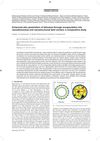
May 2016 in “Die Pharmazie” Nanostructured lipid carriers deliver lidocaine to the skin better than nanoethosomes.
 6 citations
,
June 2019 in “Biotechnology Letters”
6 citations
,
June 2019 in “Biotechnology Letters” Gene therapy shows promise for improving wound healing, but more research is needed for human use.
 December 2013 in “Biomedical and biopharmaceutical research”
 Nanotechnology shows promise for better drug delivery and cancer treatment.
6 citations
,
January 2025 in “Molecules” Combining polymers and lipids may improve antioxidant delivery for wound healing, but practical challenges remain.