 21 citations
,
February 2013 in “Clinics in Dermatology”
21 citations
,
February 2013 in “Clinics in Dermatology” New treatments for advanced skin cancer are improving patient outcomes, but drug resistance and finding the right treatment combinations are still big challenges.
6 citations
,
August 2020 in “Oncology nursing forum” Minocycline reduces acne rash, pyridoxine lowers hand-foot syndrome risk, and scalp cooling lessens hair loss from cancer treatments.
December 2025 in “Frontiers in Nutrition” The albumin change rate helps predict treatment success in AIDS-related non-Hodgkin lymphoma.
 September 2019 in “Journal of Investigative Dermatology”
 Targeted therapy with Ustekinumab significantly improved a skin condition called ILVEN, which is caused by mutations in the CARD14 gene.
 December 2017 in “British Journal of Dermatology”
 Targeted therapy for skin cancer is complex due to the role of the hedgehog pathway in both cancer and hair growth.
1 citations
,
February 2023 in “IntechOpen eBooks” Targeted photodynamic therapy is a promising method for precise disease treatment and diagnosis.
 April 2026 in “BioNanoScience”
 A new microneedle system may improve hair loss treatment by delivering ketoconazole directly to hair follicles.
 3 citations
,
August 2024 in “Frontiers in Oncology”
3 citations
,
August 2024 in “Frontiers in Oncology” Targeted radionuclide therapy shows promise for improving head and neck cancer treatment but needs more research.
January 2024 in “Defence life science journal” Light therapy can help heal soft tissue injuries and reduce pain and inflammation.
25 citations
,
December 2017 in “The journal of investigative dermatology. Symposium proceedings/The Journal of investigative dermatology symposium proceedings” Targeted cytokine treatments may help with alopecia areata, but more research is needed.
 78 citations
,
June 2021 in “Dermatology and Therapy”
78 citations
,
June 2021 in “Dermatology and Therapy” Future acne treatments should aggressively target inflammation to prevent scarring.
 41 citations
,
November 2024 in “Molecular Biomedicine”
41 citations
,
November 2024 in “Molecular Biomedicine” Engineered extracellular vesicles show promise for targeted therapy but need more research for clinical use.
 15 citations
,
February 2017 in “Nursing Clinics of North America”
15 citations
,
February 2017 in “Nursing Clinics of North America” Targeted cancer therapies can cause skin side effects, which should be treated early to help patients' quality of life and treatment adherence.
 1 citations
,
May 2025 in “Frontiers in Medicine”
1 citations
,
May 2025 in “Frontiers in Medicine” Dual-targeted therapy is effective and safe for difficult-to-treat inflammatory bowel disease.
 April 2026 in “International Journal of Clinical Oncology”
 Combining immune checkpoint inhibitors with other cancer therapies increases skin side effects in Asian patients.
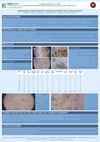
More research is needed to understand chemotherapy-induced hair loss and its phases.
1 citations
,
January 2024 in “ACS Medicinal Chemistry Letters” TYK2 inhibitors show promise for treating cancer and autoimmune disorders.
 88 citations
,
July 2014 in “Journal of the American Academy of Dermatology”
88 citations
,
July 2014 in “Journal of the American Academy of Dermatology” Targeted cancer therapies often cause skin reactions, so dermatologists must manage these effects.
2 citations
,
December 2015 in “DOAJ (DOAJ: Directory of Open Access Journals)” Targeted anticancer therapies often cause skin issues, affecting treatment adherence and quality of life.
 1 citations
,
March 2024 in “Signal transduction and targeted therapy”
1 citations
,
March 2024 in “Signal transduction and targeted therapy” NF-κB signaling is crucial in many diseases and can be targeted for new treatments.

Modern skin cancer treatments can cause skin side effects and hair loss, affecting patients' quality of life.
 February 2023 in “Journal of Korean Medical Association”
 Targeted cancer therapies can cause new side effects, requiring careful monitoring and management to ensure patient safety.
 14 citations
,
January 2024 in “Theranostics”
14 citations
,
January 2024 in “Theranostics” Intranasal delivery of gene therapy shows promise for treating ischemic stroke.
November 2023 in “Journal of Investigative Dermatology” EGFR-targeted cancer therapy can cause skin issues starting at hair follicles, leading to inflammation.
7 citations
,
August 2023 in “Frontiers in Cardiovascular Medicine” New methods improve stem cell delivery for heart disease, but challenges remain.
January 2026 in “Clinical & Translational Oncology” Early intervention and tailored management are crucial for skin side effects in cancer treatments.
Accurate diagnosis is crucial for effective treatment of similar hair loss conditions.
 May 2025 in “Galen Medical Journal”
 New targeted therapies for psoriasis show promise but face challenges like side effects and treatment resistance.
November 2024 in “Journal of Investigative Dermatology” Aptamers can improve wound healing and promote hair growth.
 June 2026 in “Preprints.org”
 Atorvastatin in a keratin hydrogel may help treat skin scars effectively.