 1 citations
,
May 2017 in “Journal of the American Academy of Dermatology”
1 citations
,
May 2017 in “Journal of the American Academy of Dermatology” Oral tofacitinib may be an effective and tolerable treatment for some people with severe alopecia areata.
4 citations
,
January 1989  2 citations
,
June 2019 in “Boletín médico del Hospital Infantil de México”
2 citations
,
June 2019 in “Boletín médico del Hospital Infantil de México” Tofacitinib treatment is used for teenagers with alopecia areata.
15 citations
,
December 2019 in “European Journal of Dermatology” Low-dose tofacitinib is effective and cheaper for severe alopecia areata.
 3 citations
,
May 2023 in “International Journal of Molecular Sciences”
3 citations
,
May 2023 in “International Journal of Molecular Sciences” A new treatment using nanoparticles can effectively prevent and reduce hair loss caused by chemotherapy.
Upadacitinib and oral minoxidil improved Crohn's disease and hair regrowth in a patient.
December 2013 in “Cumhuriyet Tıp Dergisi/Cumhuriyet Üniversitesi Tıp Fakültesi dergisi” Erlotinib can cause acne-like skin issues, needing early treatment and possible dosage adjustments.
 7 citations
,
July 2019 in “International journal of research in dermatology”
7 citations
,
July 2019 in “International journal of research in dermatology” Intralesional triamcinolone acetonide is more effective than platelet-rich plasma for treating scalp alopecia areata.
1 citations
,
January 2021 in “Journal of clinical and diagnostic research” Using Calcipotriol with Clobetasol is more effective for treating Alopecia Areata than using Clobetasol alone.
3 citations
,
May 2025 in “Carbohydrate Polymers” The new microneedle patch effectively treats alopecia areata with fewer side effects than oral medication.
 8 citations
,
June 2022 in “Frontiers in Medicine”
8 citations
,
June 2022 in “Frontiers in Medicine” Both individual and combined treatments of tofacitinib and corticosteroids can help regrow hair in moderate-to-severe alopecia areata, but ongoing treatment may be necessary.
 9 citations
,
October 2021 in “International Journal of Dermatology”
9 citations
,
October 2021 in “International Journal of Dermatology” Tofacitinib is effective and safe for treating severe hair loss in a Saudi population.
20 citations
,
June 2019 in “JAAD Case Reports” Tofacitinib can cause skin eruptions similar to palmoplantar pustulosis.
 March 2025 in “Canadian dermatology today.”
 Clascoterone cream 1% is effective and well-tolerated for treating acne and other related conditions.
A lotion with tretinoin, minoxidil, and betamethasone valerate helped treat a woman's skin infection.
July 2025 in “The Egyptian Journal of Hospital Medicine” Both treatments improved alopecia areata, but methotrexate caused more skin darkening, while triamcinolone caused skin lightening and thinning.
 2 citations
,
September 2022 in “Dermatologic Therapy”
2 citations
,
September 2022 in “Dermatologic Therapy” Tofacitinib is a promising treatment for severe alopecia areata, with many patients experiencing complete or partial hair regrowth.
 February 2025 in “Prospects in Pharmaceutical Sciences”
 Clascoterone is a promising topical treatment for hair loss and acne with fewer side effects.
12 citations
,
July 2016 in “Journal of dermatology” Intramuscular triamcinolone acetonide is an effective treatment for severe alopecia areata, especially in males.
February 2026 in “Indian Dermatology Online Journal” Tofacitinib significantly improved skin and hair conditions without side effects.
February 2023 in “Al-Azhar International Medical Journal /Al-Azhar International Medical Journal” Microneedling with triamcinolone is a safe, effective, and less painful treatment for alopecia areata.
1 citations
,
January 2024 in “Arab Board Medical Journal” Tofacitinib effectively regrows hair in alopecia areata patients, especially in younger individuals, with manageable side effects.
 May 2026 in “Indian Journal of Dermatology”
 Tofacitinib shows promise for treating alopecia areata with significant hair regrowth and mild side effects.
 44 citations
,
February 2015 in “Journal of the American Academy of Dermatology”
44 citations
,
February 2015 in “Journal of the American Academy of Dermatology” Combining diphenylcyclopropenone with anthralin is more effective for hair regrowth in alopecia areata than using diphenylcyclopropenone alone, but may cause more side effects.
40 citations
,
September 2014 in “Journal of cosmetic and laser therapy” Transepidermal drug delivery effectively treated areata alopecia with minimal side effects.
 August 2010 in “The Journal of Dermatology”
 The document concludes that low-dose acne treatment is most suitable for moderate acne, with high patient satisfaction and low relapse rates.
 78 citations
,
March 2017 in “JAMA Dermatology”
78 citations
,
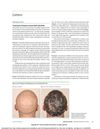
March 2017 in “JAMA Dermatology” Tofacitinib helped regrow hair in people with severe alopecia, but side effects occurred and benefits stopped after treatment ended.
June 2025 in “British Journal of Dermatology” Tofacitinib is more effective than methotrexate for treating moderate-to-severe alopecia areata.
 1 citations
,
March 2011 in “Informa Healthcare eBooks”
1 citations
,
March 2011 in “Informa Healthcare eBooks” Isotretinoin is a preferred treatment for severe acne, often leading to long-term improvement, but requires careful monitoring due to potential side effects.
1 citations
,
November 2025 in “Journal of the American Academy of Dermatology”