 10 citations
,
January 2023 in “Acta dermato-venereologica”
10 citations
,
January 2023 in “Acta dermato-venereologica” Baricitinib and deuruxolitinib are effective for treating alopecia areata, but their efficacy depends on the dose.
 March 2026 in “The American Journal of Managed Care”
 JAK inhibitors can help treat alopecia areata but have risks and high costs.
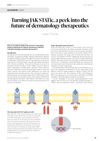 August 2024 in “New Zealand Medical Student Journal”
 JAK inhibitors show promise for treating skin diseases effectively and safely.
2 citations
,
May 2020 in “JAAD case reports” Ruxolitinib can cause a delayed skin reaction on the nose.
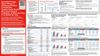 November 2025 in “SKIN The Journal of Cutaneous Medicine”
 Baricitinib works better in adolescents than adults for treating severe alopecia areata.
 65 citations
,
February 2015 in “Neuro-Oncology”
65 citations
,
February 2015 in “Neuro-Oncology” Alisertib was found to be an effective and tolerable treatment for children with recurrent brain tumors.
 September 2023 in “Drugs in context”
 Baricitinib is a promising treatment for alopecia areata.
1 citations
,
January 2025 in “Annals of Dermatology” Baricitinib is effective and safe for treating alopecia areata in Korea.
Baricitinib effectively treats alopecia areata, with over half of patients improving after 52 weeks.
1 citations
,
March 2025 in “Skin Appendage Disorders” Baricitinib for alopecia areata may rarely cause eye issues like keratitis.
 May 2017 in “Journal of The American Academy of Dermatology”
 An intact skin barrier is crucial to prevent infection in cases of tether-induced tenosynovitis.
 489 citations
,
November 2021 in “Signal Transduction and Targeted Therapy”
489 citations
,
November 2021 in “Signal Transduction and Targeted Therapy” The JAK/STAT pathway is important in cell processes and disease, and JAK inhibitors are promising for treating related conditions.
 3 citations
,
September 2024 in “Dermatology and Therapy”
3 citations
,
September 2024 in “Dermatology and Therapy” Previous alopecia areata treatments do not affect the long-term effectiveness of ritlecitinib.

Baricitinib helps regrow hair in teens with severe alopecia areata.
April 2019 in “The journal of investigative dermatology/Journal of investigative dermatology” Blocking JAK1 or JAK3 helps reverse hair loss in a mouse model of alopecia areata.
 25 citations
,
April 2019 in “Journal of The American Academy of Dermatology”
25 citations
,
April 2019 in “Journal of The American Academy of Dermatology” Using 2% tofacitinib cream with narrowband ultraviolet B improved facial vitiligo by 70% in patients who didn't respond to previous treatments, with no side effects reported.
 2 citations
,
July 2023 in “JAAD Case Reports”
2 citations
,
July 2023 in “JAAD Case Reports” A woman with a type of hair loss saw hair regrowth after two months of taking baricitinib.
 December 2023 in “Journal of Cosmetic Dermatology”
 Baricitinib effectively and safely improves hair growth in patients with severe alopecia areata.
 32 citations
,
September 2015 in “Dermatology”
32 citations
,
September 2015 in “Dermatology” Certain leukemia drugs can cause severe skin reactions that may require stopping treatment.
 July 2025 in “SKIN The Journal of Cutaneous Medicine”
 Ritlecitinib is generally safe for alopecia areata patients over 72 months.

Baricitinib effectively promotes hair regrowth in severe alopecia with minimal side effects.
 November 2024 in “SKIN The Journal of Cutaneous Medicine”
 Ritlecitinib provides new treatment options for diverse alopecia areata patients.
Baricitinib may not always prevent relapse in alopecia areata.
 1 citations
,
January 2020 in “Surgical & Cosmetic Dermatology”
1 citations
,
January 2020 in “Surgical & Cosmetic Dermatology” Combining oral minoxidil with JAK inhibitors helps regrow hair in severe alopecia areata cases.

Modern skin cancer treatments can cause skin side effects and hair loss, affecting patients' quality of life.
 October 2023 in “International journal of rheumatic diseases”
 New treatments targeting the JAK signaling pathway, especially JAK inhibitors, show promise for alopecia areata.
1 citations
,
April 2024 in “JDDG Journal der Deutschen Dermatologischen Gesellschaft” Tislelizumab can cause cutaneous lupus erythematosus.
45 citations
,
January 2007 in “Journal of Clinical Oncology” Sorafenib may cause hand-foot and stump syndrome, requiring early detection and management.
 9 citations
,
July 2017 in “Journal of medical case reports”
9 citations
,
July 2017 in “Journal of medical case reports” Ruxolitinib treatment may cause eyelash growth.
25 citations
,
March 2021 in “Australasian Journal of Dermatology” Ustekinumab successfully treated a man's resistant skin condition when other treatments failed.