 January 2022 in “Acta dermatovenerologica Alpina, Pannonica et Adriatica (Tiskana izd.)”
 Uncombable hair syndrome causes frizzy hair and can affect the nervous system, eyes, and ears, often co-occurring with other hair, skin, nail, and teeth conditions, and is linked to three specific gene mutations.
 2 citations
,
January 2025 in “Сибирский научный медицинский журнал”
2 citations
,
January 2025 in “Сибирский научный медицинский журнал” TS-13 effectively stops tumor growth and reduces chemotherapy side effects.
June 2024 in “The Journal of Dermatology” 7 citations
,
December 2006 Tribulus terrestris extract significantly increases MSH expression and melanin production in mouse hair follicles.
26 citations
,
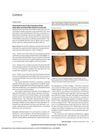
February 1991 in “PubMed” Trichotillomania can be identified by a "Friar Tuck sign" and nail-biting.
 41 citations
,
December 2015 in “JAMA Dermatology”
41 citations
,
December 2015 in “JAMA Dermatology” Tofacitinib citrate improved nail dystrophy and pain in patients with alopecia universalis without causing side effects.
 12 citations
,
June 2012 in “Dermatologic Surgery”
12 citations
,
June 2012 in “Dermatologic Surgery” Hair transplantation effectively treated a woman's patchy hair loss when other treatments failed.
 9 citations
,
February 2018 in “Forensic Science International”
9 citations
,
February 2018 in “Forensic Science International” The study could not confirm if Victor Vinnetou was Mbuyisa Makhubu and suggested more evidence, like DNA tests, is needed.
 1 citations
,
May 2026 in “bioRxiv (Cold Spring Harbor Laboratory)”
1 citations
,
May 2026 in “bioRxiv (Cold Spring Harbor Laboratory)” UT-018 speeds up wound healing and boosts hair growth in mice.
 27 citations
,
April 2020 in “Journal of Experimental Botany”
27 citations
,
April 2020 in “Journal of Experimental Botany” Glutathione helps Arabidopsis roots adapt to low phosphate by regulating a specific growth pathway.
1 citations
,
January 2022 in “Annals of Dermatology” A new mutation in the MBTPS2 gene causes a mild form of IFAP syndrome.
28 citations
,
June 2021 in “Frontiers in immunology” A protein called lfTSLP is important in causing allergic and other skin diseases and could be a target for treatment.
35 citations
,
September 2003 in “Archives of dermatology” Tiger tail bands in hair are caused by wavy hair fibers with melanin, unlike straight fibers in normal hair.

Testosterone in human pancreas cells boosts insulin production.
 October 2023 in “Spectrochimica acta. Part A, Molecular and biomolecular spectroscopy”
 New, eco-friendly methods accurately measure TDF and FNS in a new urologic medication.
3 citations
,
November 2021 in “Protein and Peptide Letters” β-thymosin in invertebrates is more complex and diverse than in vertebrates.
3 citations
,
November 1998 in “PubMed”  80 citations
,
June 2000 in “Modern Pathology”
80 citations
,
June 2000 in “Modern Pathology” Long-standing benign tumors can become cancerous, especially in people with weakened immune systems.
April 2026 in “Clinical and Translational Science” Tofacitinib effectively treats severe alopecia areata, improving hair regrowth and patient satisfaction.
119 citations
,
November 2016 in “American journal of human genetics” Mutations in three genes cause Uncombable Hair Syndrome, leading to frizzy hair that can't be combed flat.
July 2025 in “Journal of Investigative Dermatology” Complex basal cell carcinomas need personalized treatment due to unique genetic mutations.
 28 citations
,
November 2019 in “Gene”
28 citations
,
November 2019 in “Gene” The ITGB6 gene is important for tissue repair and hair growth, and mutations can lead to enamel defects and other health issues.
 December 2023 in “American journal of medical genetics. Part A”
 A new syndrome was linked to two new genetic changes in the MBTPS1 gene in a 14-year-old girl.
 70 citations
,
April 2016 in “Experimental Dermatology”
70 citations
,
April 2016 in “Experimental Dermatology” A patient with alopecia areata regrew hair after taking tofacitinib and showed changes in certain blood and skin markers.
62 citations
,
December 1941 in “Experimental biology and medicine” Eating phenylthiocarbamide made all the rats' hair go gray, but some returned to their original color after stopping.

The treatment was ineffective in humans.
 June 2024 in “ESMO Gastrointestinal Oncology”
 The combination treatment showed a higher response rate but no significant survival benefits.
 32 citations
,
April 2006 in “The Journal of Urology”
32 citations
,
April 2006 in “The Journal of Urology” Using finasteride with TIP extends time off period for prostate cancer patients.
 48 citations
,
July 1996 in “Human & Experimental Toxicology”
48 citations
,
July 1996 in “Human & Experimental Toxicology” Human enzymes can detoxify harmful substances but might also increase their cancer risk.
22 citations
,
July 2006 in “Annals of The Royal College of Surgeons of England” Hair or fiber wrapped tightly around a toe can lead to serious injury if not treated quickly.