January 2013 in “International Journal of Trichology” Early diagnosis and a multidisciplinary approach are crucial for children with Trichothiodystrophy and hidden learning disorders.
1 citations
,
December 1996 in “Cell Biology and Toxicology”  41 citations
,
November 2024 in “Molecular Biomedicine”
41 citations
,
November 2024 in “Molecular Biomedicine” Engineered extracellular vesicles show promise for targeted therapy but need more research for clinical use.
 82 citations
,
February 2017 in “Cold Spring Harbor Perspectives in Biology”
82 citations
,
February 2017 in “Cold Spring Harbor Perspectives in Biology” The TGF-β family helps control how cells change and move, affecting skin, hair, and organ development.
 119 citations
,
November 2014 in “Trends in Cell Biology”
119 citations
,
November 2014 in “Trends in Cell Biology” Fibroblast growth factor receptor signaling controls cell development and repair, and its malfunction can cause disorders and cancer, but it also offers potential for targeted therapies.
December 2025 in “Indian Journal of Dermatology” Extraction videodermoscopy is an effective, non-invasive diagnostic tool for eruptive vellus hair cysts.
5 citations
,
February 2019 in “bioRxiv (Cold Spring Harbor Laboratory)” 3D cell cultures produce extracellular vesicles similar to those in the body.
October 2023 in “Journal of cystic fibrosis”  1 citations
,
June 2017 in “Actas Dermo-Sifiliográficas”
1 citations
,
June 2017 in “Actas Dermo-Sifiliográficas” Follicular Unit Extraction (FUE) is a hair transplant method with less scarring and discomfort but requires skilled surgeons and has limitations on graft numbers per session.

Moderate facial angiofibroma significantly reduces quality of life compared to almost-clear cases, highlighting the benefits of treatment.
 March 2024 in “Revista Argentina de de Cirugía Plástica Estética y Reparadora”
 FUE hair transplants now give more natural results and faster recovery with less damage.
November 2024 in “Stem Cell Research & Therapy” A new method improves the isolation of hair follicle cells for better hair growth research.
45 citations
,
July 2025 in “Journal of Medicinal Chemistry” Vepdegestrant may become the first FDA-approved PROTAC degrader, marking a new era in drug development.
 244 citations
,
September 2008 in “Annual Review of Genomics and Human Genetics”
244 citations
,
September 2008 in “Annual Review of Genomics and Human Genetics” The document concludes that the fast-growing direct-to-consumer genetic testing market lacks sufficient regulation, posing risks to consumers due to questionable test quality and accuracy.
 April 2024 in “Indian Journal of Paediatric Dermatology”
 Congenital triangular alopecia and vitiligo can occur together, but treatment for one may not affect the other.
May 2023 in “Spectrochimica Acta Part A: Molecular and Biomolecular Spectroscopy” A new green method accurately measures finasteride and tadalafil in drugs and plasma.

Tofacitinib significantly improved symptoms in a patient with overlapping autoimmune disorders.
December 2005 in “Dermatologic surgery” Er:YAG laser therapy is ineffective for treating facial eruptive vellus hair cysts due to early recurrence and side effects.
January 2023 in “Indian Dermatology Online Journal” A 23-year-old man has a benign, non-progressive hair loss patch that doesn't respond to treatment but can be cosmetically treated.
31 citations
,
February 2007 in “Molecular Carcinogenesis” Overexpressing ATF3 in mice's epithelial cells may lead to oral cancer.
 April 2023 in “International journal of pharmaceutical sciences review and research”
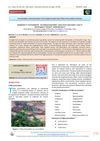
 The F2 Emulgel with Tridax procumbens extract showed the best qualities for healing wounds.
 January 2026 in “Indian Journal of Dermatopathology and Diagnostic Dermatology”
 Corkscrew hairs can help diagnose trichotillomania.
 September 2025 in “medRxiv (Cold Spring Harbor Laboratory)”
 Using Centella asiatica EV and growth factors improves scalp health and hair growth.
 July 2016 in “Hair transplant forum international”
 The document's content cannot be summarized because it is not accessible or understandable.
 37 citations
,
October 2017 in “Clinical and Experimental Dermatology”
37 citations
,
October 2017 in “Clinical and Experimental Dermatology” Oral tofacitinib shows promise in treating atopic dermatitis and alopecia areata, but only slight improvement in vitiligo.
 November 1993 in “Hair transplant forum international”
 The document's conclusion cannot be provided because the document is not readable or understandable.
 February 2026 in “International Journal of Molecular Sciences”
 Extracellular vesicles show promise for medical use but face challenges in standardization and safety.
November 2025 in “Cosmetics” Centella asiatica with growth factors improves hair and scalp health.
Teprotumumab for thyroid eye disease commonly causes fatigue, brittle nails, dry eyes, hair loss, muscle spasms, and dry mouth, with rare serious events like blood clots.