1 citations
,
June 1999 in “American Journal of Contact Dermatitis” Tazarotene gel is more effective for acne than tretinoin and works as well as adapalene.
 November 2023 in “Journal of Cosmetic Dermatology”
 Tofacitinib is effective and has minor, reversible side effects for treating severe hair loss in Iran.
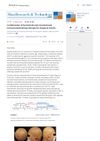 July 2023 in “Skin Research and Technology”
 Baricitinib combined with other immune therapies may safely and effectively treat severe scalp hair loss.
 9 citations
,
October 2021 in “International Journal of Dermatology”
9 citations
,
October 2021 in “International Journal of Dermatology” Tofacitinib is effective and safe for treating severe hair loss in a Saudi population.
30 citations
,
July 2007 in “PubMed” Betamethasone oral mini-pulse therapy is safe and effective for treating extensive alopecia areata.
 37 citations
,
October 2017 in “Clinical and Experimental Dermatology”
37 citations
,
October 2017 in “Clinical and Experimental Dermatology” Oral tofacitinib shows promise in treating atopic dermatitis and alopecia areata, but only slight improvement in vitiligo.
 139 citations
,
November 2016 in “Journal of the American Academy of Dermatology”
139 citations
,
November 2016 in “Journal of the American Academy of Dermatology” Tofacitinib helped regrow hair in most adolescents with alopecia areata, but more research is needed.
June 2026 in “Indian Dermatology Online Journal” Tofacitinib may work better than methotrexate for treating moderate-to-severe alopecia areata.
September 2023 in “Journal of the American Academy of Dermatology” CTP-543 is generally safe for treating alopecia areata.
Triamcinolone acetonide and betamethasone 1.75 mg/ml are both effective for treating alopecia areata.
 24 citations
,
January 2018 in “International Journal of Trichology”
24 citations
,
January 2018 in “International Journal of Trichology” Tofacitinib helped regrow hair in patients with alopecia, with few side effects.
 1 citations
,
December 2022 in “Journal of cosmetic dermatology”
1 citations
,
December 2022 in “Journal of cosmetic dermatology” The combination of vitamin D analogues with potent steroids is a favorable treatment for alopecia areata with fewer side effects.
January 2008 in “Linchuang pifuke zazhi” Betamethasone activates and increases the growth of certain skin cells from hair follicles.
 December 2023 in “Journal of Ayub Medical College Abbottabad”
 Ritlecitinib effectively treats alopecia areata in patients 12 and older with fewer side effects.
April 2026 in “Clinical and Translational Science” Tofacitinib effectively treats severe alopecia areata, improving hair regrowth and patient satisfaction.
 June 2017 in “Journal of the American Academy of Dermatology”
 Tofacitinib is effective and safe for treating severe alopecia areata and related conditions.
April 2026 in “Meditsinskiy sovet = Medical Council” Tofacitinib and baricitinib are similarly effective and safe for alopecia areata, but baricitinib works faster.
 May 2026 in “Indian Journal of Dermatology”
 Tofacitinib shows promise for treating alopecia areata with significant hair regrowth and mild side effects.
 5 citations
,
January 2009
5 citations
,
January 2009 Betamethasone is more effective than Tacrolimus and soft paraffin for hair regrowth in patchy alopecia areata.
2 citations
,
May 2017 in “Journal of the American Academy of Dermatology” Tofacitinib helped a 19-year-old regrow hair after other treatments failed.
August 2024 in “Indian Journal of Dermatology Venereology and Leprology”  39 citations
,
January 2019 in “Journal of the American Academy of Dermatology”
39 citations
,
January 2019 in “Journal of the American Academy of Dermatology” Tofacitinib may help treat severe childhood alopecia areata, but risks require careful consideration.
 September 2025 in “Journal of the Pakistan Medical Association”
 Tofacitinib effectively and safely promotes hair regrowth in alopecia patients.
 March 2023 in “PARIPEX INDIAN JOURNAL OF RESEARCH”
 Tofacitinib helped regrow hair in most patients with severe hair loss.
65 citations
,
February 2011 in “Molecular cancer therapeutics” CCT128930 is a promising new drug that effectively targets and inhibits a cancer-related protein, showing potential for cancer treatment.
January 2007 in “Frontiers in Medicine” Tofacitinib works well for treating alopecia areata, especially when combined with corticosteroids, but is less effective if the disease has lasted over 2 years.
April 2026 in “Future Medicinal Chemistry” PROTACs have become a breakthrough in medicine by effectively targeting and degrading specific proteins to treat diseases.
May 2025 in “International Journal of Trichology” Topical tofacitinib may help regrow hair in children with alopecia totalis.
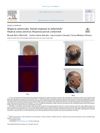 1 citations
,
July 2019 in “Medicina Clínica (English Edition)”
1 citations
,
July 2019 in “Medicina Clínica (English Edition)” Tofacitinib partially improved hair regrowth in a patient with severe hair loss.
 48 citations
,
November 2017 in “Journal of the American Academy of Dermatology”
48 citations
,
November 2017 in “Journal of the American Academy of Dermatology” Tofacitinib 2% ointment helped hair regrow in 3 out of 10 patients with alopecia areata, but caused side effects like scalp irritation and raised cholesterol in some.