Men with androgenetic alopecia may have higher triglycerides, suggesting a link to lipid metabolism.
 April 2026 in “International Journal of Impotence Research”
 Anabolic steroid abuse can cause sexual, fertility, and health problems.
 April 2026 in “Signal Transduction and Targeted Therapy”
 Balancing testosterone may reduce COVID-19 severity.
 February 2026 in “International Journal of Molecular Sciences”
 Silencing SFRP1 alone promotes hair growth, but adding DKK1 does not help.
February 2026 in “European Journal of Pharmacology” Teicoplanin may help treat hair loss by reducing androgen receptors and boosting hair cell growth.
October 2025 in “Medical Journal of Babylon” Higher testosterone and lower Vitamin D levels are linked to hair loss in female COVID-19 patients.
 August 2025 in “Research Square (Research Square)”
 High TNF-α levels may increase hair loss risk after PRP therapy.
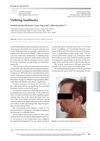 August 2025 in “Endokrynologia Polska”
 A rare pancreatic tumor caused a woman's male-like features, treated successfully with surgery and medication.
 June 2025 in “Current Issues in Molecular Biology”
 Meloside A may help protect hair cells from damage linked to hair loss.
 March 2025 in “Institutional Repositories DataBase (IRDB)”
 The testes significantly contribute to vitamin D metabolism and may affect male reproductive health and conditions like hair loss.
 September 2024 in “Brazilian Journal of Case Reports”
 Clomiphene testing can help find ovarian causes of high testosterone in postmenopausal women.
August 2024 in “Steroids” The androgen receptor's shape-changing ability helps it function but can lead to cancer treatment resistance.
 May 2024 in “Drug discovery today”
 Thyroid receptor β can help develop new drugs to treat hair loss.
February 2024 in “Cancers” New treatments targeting androgen receptors show promise for drug-resistant prostate cancer.
 December 2023 in “International journal of drug delivery technology”
 The polyherbal hair serum helped prevent hair loss and improved hair growth better than the usual treatment.
 November 2023 in “Bioorganic Chemistry”
 Drugs targeting the Androgen Receptor are effective for treating prostate cancer and other androgen-related conditions.
 July 2019 in “Acta Scientiae Veterinariae”
 Removing a testicular tumor in a dog reduced its aggressive behavior and skin problems.
 January 2019 in “Oncogen”
 Triple Hormonal Blockade (ADT3) can effectively manage prostate cancer but requires careful monitoring for heart risks.

Different drugs are used to manage breeding, prevent or end pregnancy, and treat reproductive issues in dogs and cats.

Hormones, especially testosterone and DHT, are key for penis development and function, and testosterone therapy may help with erectile dysfunction in those with low levels.
Avicennia Marina extract and avicequinone C can reduce hair loss hormone production and increase hair growth factors, suggesting they could be used to treat androgenic alopecia.

Hormonal treatments can help with hair loss, acne, and excess hair growth, but it takes 3-6 months to see results and patients should know the possible side effects.
 January 2015 in “Indian Journal of Medical Biochemistry”
 Men with early balding should be checked for metabolic syndrome, as there's a link between the two.
 June 2013 in “Expert Review of Dermatology”
 The article concludes that hormonal therapy is an effective long-term acne treatment, even for those without hormonal imbalances.
 September 2012 in “The Egyptian Journal of Histology”
 Flutamide caused damage to male rat reproductive organs and may affect fertility.
 January 2009 in “Elsevier eBooks”
 Some plant-based treatments may help with ovary function, insulin resistance, and excess male hormones in PCOS, but more research is needed to confirm their safety and effectiveness.
 October 2006 in “Aging Health”
 Dutasteride effectively treats benign prostatic obstruction, improves urinary flow, reduces prostate size, and may prevent prostate cancer, but can cause sexual side effects.

Spironolactone with an oral contraceptive improved hair growth in women with hirsutism.
 January 1995 in “Adolescent and pediatric gynecology”
 Mutations in the androgen receptor gene cause different levels of androgen insensitivity, making it hard to create simple tests for the condition.
Sansevieria trifasciata Prain shows promise for treating hair loss by inhibiting androgen receptors.