 20 citations
,
January 2012 in “International Journal of Trichology”
20 citations
,
January 2012 in “International Journal of Trichology” Most cases of excessive hair growth in women are caused by polycystic ovarian syndrome and are linked to higher free testosterone levels.
 14 citations
,
January 2008 in “Gynecological Endocrinology”
14 citations
,
January 2008 in “Gynecological Endocrinology” High levels of male hormones in women without tumors are linked to metabolic problems and can be treated with metformin.
 9 citations
,
May 2008 in “Journal of Clinical Oncology”
9 citations
,
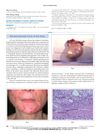
May 2008 in “Journal of Clinical Oncology” A woman's ovarian tumor causing high testosterone was successfully removed, and her symptoms improved.
 6 citations
,
April 2019 in “Journal of Pediatric Endocrinology and Metabolism”
6 citations
,
April 2019 in “Journal of Pediatric Endocrinology and Metabolism” Metformin improved menstrual cycle regularity and signs of hyperandrogenism in adolescent girls with type 1 diabetes but did not improve blood sugar control.
 6 citations
,
January 2017 in “Dermato-endocrinology”
6 citations
,
January 2017 in “Dermato-endocrinology” ADT-G may be a useful indicator of increased androgen levels in women with acne and can be lowered with certain birth control pills.
 5 citations
,
November 2018 in “Journal of Obstetrics and Gynaecology”
5 citations
,
November 2018 in “Journal of Obstetrics and Gynaecology” Ovarian Leydig cell tumors are hard to diagnose with just advanced imaging; expert ultrasound and clinical evaluation are essential.
 5 citations
,
July 1998 in “PubMed”
5 citations
,
July 1998 in “PubMed” Excessive androgen in women can cause acne, hair growth, baldness, and PCOS, often treatable with medication.
 4 citations
,
February 2011 in “Nature Reviews Endocrinology”
4 citations
,
February 2011 in “Nature Reviews Endocrinology” Metformin and thiazolidinediones are similarly effective for PCOS, but metformin is often preferred due to fewer side effects.
 3 citations
,
July 2019 in “Case Reports in Obstetrics and Gynecology”
3 citations
,
July 2019 in “Case Reports in Obstetrics and Gynecology” A young woman's rare ovarian tumor was successfully removed, improving her hormonal symptoms.
1 citations
,
March 2012 in “Journal of pediatric & adolescent gynecology” A young girl with high testosterone was thought to have a tumor but actually had PCOS, which was treated with birth control pills.
 June 2026 in “Zenodo (CERN European Organization for Nuclear Research)”
 Early recognition and comprehensive management of PCOS can prevent long-term health issues.
 June 2026 in “Zenodo (CERN European Organization for Nuclear Research)”
 Early recognition and comprehensive management of PCOS can prevent long-term health issues.
 October 2024 in “Journal of the Endocrine Society”
 Ovarian stromal hyperplasia can cause high testosterone in postmenopausal women and is treated by removing the ovaries.
October 2023 in “University of Zadar Institutional Repository” Androgenetic alopecia is a common genetic and hormonal hair loss affecting many men and women.
 September 2023 in “Clinical, Cosmetic and Investigational Dermatology”
 Higher SHBG levels are linked to less severe hair loss in women, but vitamin D levels don't seem to affect hair loss.
 July 2023 in “Journal of Clinical Medicine”
 Choosing the right starting dose of Clomiphene Citrate for ovulation induction in PCOS women is challenging; higher BMI and hormone levels may indicate resistance to the standard dose.
 March 2023 in “Scholars international journal of obstetrics and gynecology”
 PCOS is a complex condition that affects women's hormonal balance and metabolism, requiring lifestyle changes and medical management.
 October 2022 in “Miscellaneous”
 A rare, non-cancerous ovarian tumor was successfully treated with surgery, improving the patient's symptoms.
 June 2022 in “Evidence-based complementary and alternative medicine”
 Acupressure improves quality of life in PCOS patients.
January 2022 in “Dubai diabetes and endocrinology journal/Dubai diabetes & endocrinology journal” A 16-year-old girl with HAIR-AN syndrome was treated with lifestyle changes and medications to manage her condition.
 June 2021 in “Health and Society”
 Healthy lifestyle changes, especially weight loss, can improve symptoms and overall health in people with Polycystic Ovary Syndrome, especially if they are overweight or obese.
June 2020 in “ACTA MEDICA IRANICA” A rare benign ovarian tumor caused virilization in a postmenopausal woman, treated successfully with surgery.
January 2017 in “CommonKnowledge Research Repository (Pacific University Oregon)” Spearmint tea may help reduce androgen levels, but longer use is needed for noticeable effects on hirsutism.
 October 2010 in “International Journal of Dermatology”
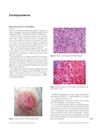
 An 86-year-old man with prostate cancer was diagnosed with a rare, low-grade breast cancer and underwent surgery but declined additional hormone therapy.
 January 1987 in “Journal of steroid biochemistry/Journal of Steroid Biochemistry”
 Norethisterone (jenapharm) therapy is effective for endometrial cancer.
 26 citations
,
January 2000 in “Hormone research in paediatrics”
26 citations
,
January 2000 in “Hormone research in paediatrics” Insulin resistance is linked to high male hormone levels in women, often seen in those with PCOS.
 16 citations
,
January 2000 in “The Journal of clinical endocrinology and metabolism/Journal of clinical endocrinology & metabolism”
16 citations
,
January 2000 in “The Journal of clinical endocrinology and metabolism/Journal of clinical endocrinology & metabolism” Antiandrogen drugs can reduce PSA levels in women with excess hair, suggesting PSA is a sign of male hormone activity in women.
 3 citations
,
October 1995 in “Southern Medical Journal”
3 citations
,
October 1995 in “Southern Medical Journal” Finasteride may cause breast enlargement, low testosterone a risk factor.
April 2018 in “International journal of innovative research in medical science” Neem and Zanjabeel are as effective as standard drugs for treating hirsutism in PCOD patients.
 8 citations
,
February 2003 in “Annals of Neurology”
8 citations
,
February 2003 in “Annals of Neurology” Progesterone treatment improved seizures in a woman with menstrual cycle-related epilepsy, but a wrong medication worsened her condition.