 75 citations
,
November 1965 in “Textile research journal”
75 citations
,
November 1965 in “Textile research journal” Papain and bisulfite break down human hair by dissolving parts of it.
 35 citations
,
February 2006 in “Textile Research Journal”
35 citations
,
February 2006 in “Textile Research Journal” Enzymes xylanase and pectinase clean wool and specialty hair fibers effectively without damage, offering an eco-friendly alternative to soap and hot water.
7 citations
,
February 1985 in “Textile Research Journal” Cellular debris sticks to damaged wool fibers and affects wool cleanliness.
 7 citations
,
October 1963 in “Textile Research Journal”
7 citations
,
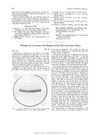
October 1963 in “Textile Research Journal” Merino wool fibers change shape with moisture, while human hair shape stays the same.
 6 citations
,
December 1966 in “Textile Research Journal”
6 citations
,
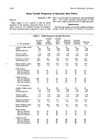
December 1966 in “Textile Research Journal” Animal hair fibers like wool and mohair are strong when dry, but vicuna fibers are very brittle.
 4 citations
,
November 1968 in “Textile research journal”
4 citations
,
November 1968 in “Textile research journal” Hair fibers may have a unique, non-protein sheath not previously identified.
January 2013 in “Wool textile journal” January 2013 in “Shanghai Textile Science & Technology” Milk protein treatment reduces pilling in rabbit hair fabric.
January 2007 in “Fashion & Textile Research Journal” Ethanol extracts of Aconitum koreanum improved cholesterol levels and protein recovery in rats.
1 citations
,
January 2002 in “Springer eBooks”  June 2021 in “Research Square (Research Square)”
 Dyed chitin nanofibers are strong, colorful, and water-resistant, enhancing resin strength and color.
November 2025 in “International Journal of Biological Macromolecules” This eco-friendly hair dye method improves hair health and color durability.
5 citations
,
January 2011 in “International Journal of Cosmetic Science” 1,2,3,4-tetrahydroquinoline compounds are great for stable, pure blue hair dye.
6 citations
,
October 2003 in “Journal of applied polymer science” A new method using poly(ethylene imine) improves hair dyeing at lower temperatures with better color retention.
 September 2024 in “Heliyon”
 Repeated hair dyeing significantly damages hair.
 9 citations
,
November 2000 in “Proceedings of SPIE, the International Society for Optical Engineering/Proceedings of SPIE”
9 citations
,
November 2000 in “Proceedings of SPIE, the International Society for Optical Engineering/Proceedings of SPIE” Dyeing hair can help target and destroy hair follicles selectively.
4 citations
,
August 2016 in “PubMed” Repeated dyeing and shampooing cause hair color loss and damage.
 9 citations
,
January 2010
9 citations
,
January 2010 The herbal hair dye is a safe and eco-friendly alternative to conventional dyes.
 November 2025 in “Zenodo (CERN European Organization for Nuclear Research)”
 Oxidative dyes damage hair more than semi-permanent dyes, but new technologies help protect hair while coloring.
 November 2025 in “Zenodo (CERN European Organization for Nuclear Research)”
 Hair dyeing changes hair structure, but new technologies help protect hair while coloring.

Plant-based dyes are a safe, effective, and eco-friendly alternative to synthetic dyes.
7 citations
,
June 2019 in “Coloration Technology” Translucent keratin films are better for testing hair dyes.
 November 2025 in “International Journal of Science and Research Archive”
 Oxidative dyes damage hair more than semi-permanent dyes, but new technologies help protect hair while coloring.
17 citations
,
May 2019 in “Molecules” These temporary hair dyes may be harmful to human health.
 July 2026 in “International Journal of Applied Pharmaceutics”
 Hair dyes, especially with PPD, can cause skin and rare systemic reactions, and safer alternatives are needed.
69 citations
,
January 2002 in “Journal of biomedical optics” Dyes can penetrate human skin and hair follicles up to 1.2 mm deep and the sebaceous gland can store dye; Indocyanine Green lotion was made for safe dyeing and monitoring.

Plant-based dyes are a safe, effective, and eco-friendly alternative to synthetic dyes.
18 citations
,
January 1965 in “Stain Technology”  21 citations
,
October 2014 in “Actas dermo-sifiliográficas/Actas dermo-sifiliográficas”
21 citations
,
October 2014 in “Actas dermo-sifiliográficas/Actas dermo-sifiliográficas” Hair dyes can change hair color temporarily or permanently but may cause side effects like skin reactions and hair damage.
1 citations
,
January 2010 in “LA Referencia (Red Federada de Repositorios Institucionales de Publicaciones Científicas)” Conditioners improved hair protein retention and combing ease, with some providing thermal protection.