1 citations
,
November 2004 in “Hair transplant forum international” Hair restoration surgeons must understand the differences between CTE and FPHL for accurate diagnosis and treatment.
110 citations
,
January 1984 in “Progress in brain research” Gonadal hormones may influence sex differences in play fighting in animals, but their effect on human spatial behavior is unclear and needs more research.
89 citations
,
August 2013 in “PloS one” Androgen receptors are active in many tissues of both male and female mice, not just reproductive organs.
63 citations
,
January 2010 in “Frontiers in Aging Neuroscience” 3α-androstanediol helps reduce age-related cognitive and mood declines in male rats, unlike testosterone.
19 citations
,
July 2019 in “Journal of Endocrinology” GTx-024 and Danazol affect the uterus like DHT, while GTx-007 has little impact.
13 citations
,
February 2021 in “Brain Sciences” Androgens improve memory in adolescent male rats by acting on brain receptors.
12 citations
,
December 2011  9 citations
,
July 2021 in “Essays in Biochemistry”
9 citations
,
July 2021 in “Essays in Biochemistry” Sex hormones may influence COVID-19 severity, with males at higher risk, and certain hormone therapies could potentially treat the virus.
5 citations
,
February 2025 in “Cell Reports” Skin acetyl-CoA synthesis is crucial for overall lipid balance.
5 citations
,
January 2024 in “Reproductive Medicine and Biology” Androgen and Wnt signals are crucial for developing and functioning male genitalia and erectile tissues.
 2 citations
,
June 2023 in “Pharmaceutics”
2 citations
,
June 2023 in “Pharmaceutics” Nanofiber scaffolds help wounds heal by delivering drugs directly to the injury site.
2 citations
,
September 2025 in “Antioxidants” Antioxidant nanoparticles show promise for treating inflammatory diseases but need more research for safe and effective use.
February 2026 in “Advanced Sensor Research” Advanced technologies can improve understanding and monitoring of skin-brain interactions.
 July 2025 in “Reproductive Biology and Endocrinology”
 Early androgen exposure affects hormone receptor expression in adult female rats' brains, but not in males.
 February 2025 in “Science Advances”
 Wnt signaling helps regenerate hair follicles by affecting how skin cells sense and respond to mechanical forces.
 January 2023 in “Brazilian Journal of Pharmaceutical Sciences”
 A method was found to accurately measure spironolactone and canrenone in blood samples using liquid chromatography-mass spectrometry.
 April 2021 in “IntechOpen eBooks”
 Androgens, male hormones, affect physical and mental functions, with a decrease leading to health issues like muscle loss, bone disease, and depression, and more research is needed on long-term effects and treatments.
 January 2024 in “Biotechnology advances”
 Bioassays help find useful compounds in nature for making medicines, supplements, and cosmetics.
 2 citations
,
February 2019 in “Anais brasileiros de dermatologia/Anais Brasileiros de Dermatologia”
2 citations
,
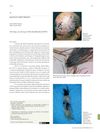
February 2019 in “Anais brasileiros de dermatologia/Anais Brasileiros de Dermatologia” Tufted folliculitis is common in patients with folliculitis decalvans.
 October 2023 in “Spectrochimica acta. Part A, Molecular and biomolecular spectroscopy”
 New, eco-friendly methods accurately measure TDF and FNS in a new urologic medication.
 1 citations
,
September 2023 in “eLife”
1 citations
,
September 2023 in “eLife” TLR2 is important for hair growth and can be targeted to treat hair loss.
 January 2025 in “Indian Journal of Dermatology”
 Frontal fibrosing alopecia is a challenging hair loss condition with no known cause or definitive treatment.
November 2025 in “Journal of Investigative Dermatology” Certain immune cells in atopic dermatitis skin could be targeted for treatment.
 November 2025 in “Indian Journal of Plastic Surgery”
 The FUET method improves hair transplant precision and outcomes by combining FUT and FUE techniques under a surgeon's control.
20 citations
,
July 2005 in “Experimental dermatology” The fuzzy gene is crucial for controlling hair growth cycles.
 13 citations
,
March 2002 in “Pediatric Dermatology”
13 citations
,
March 2002 in “Pediatric Dermatology” A child was initially wrongly diagnosed with a fungal scalp infection but actually had a non-scarring hair loss condition called Temporal Triangular Alopecia.
A brain injury can lead to compulsive hair-pulling and psychosis-like symptoms, needing comprehensive treatment.
 December 2015 in “Actas Dermo-Sifiliográficas”
 Hair transplantation for Frontal Fibrosing Alopecia may work if the disease is inactive for 2 years and with ongoing treatment to maintain results.
January 2026 in “Endocrinology” 1 citations
,
March 2023 in “Journal of the Turkish Academy of Dermatology” Temporal triangular alopecia may be linked to sebaceous nevus and shows a new pinkish background feature.