 February 2024 in “Skin research and technology”
 The research suggests that immune cells and a specific type of cell death called ferroptosis are involved in Frontal fibrosis alopecia.
 May 2025 in “Medical Science Monitor”
 Concentrated growth factor shows promise for treating hair loss but needs more research.
28 citations
,
July 1993 in “The journal of investigative dermatology/Journal of investigative dermatology” Knocking out the FGF5 gene in sheep increased wool production and hair-follicle density.
265 citations
,
March 1993 in “The EMBO Journal” Keratinocyte growth factor significantly alters skin and tissue development.
7 citations
,
March 2022 in “International Journal of Molecular Sciences” FGF21 can help reduce skin inflammation caused by C. acnes.
2 citations
,
October 2024 in “Indian Journal of Orthopaedics” 1 citations
,
January 2004 in “Wieś Jutra” Finasteride reduces hair loss by blocking testosterone's effects on scalp cells.
47 citations
,
June 2017 in “The FEBS journal” Disabling the FGF5 gene in sheep leads to longer wool.
 June 2026 in “Springer Link (Chiba Institute of Technology)”
 FGFs have evolved differently across species, affecting skin and wound healing.
August 2020 in “CRC Press eBooks” Abnormal growth factors can cause hair and skin issues.
June 2026 in “British Journal of Dermatology” Hair transplants may trigger frontal fibrosing alopecia.
September 2016 in “Journal of dermatological science” FGF18 helps hair follicles resist radiation by stopping hair growth cycles.
 August 2013 in “Nature Reviews Drug Discovery”
 A protein called FGF9 helps regenerate hair follicles in mice after skin damage, and increasing FGF9 could potentially help human hair growth.
63 citations
,
May 2015 in “PloS one” GALT5 and GALT2 are important for plant growth and development because they help with protein glycosylation.
May 2022 in “Journal of Cosmetic Dermatology” CGF treatment effectively and safely improves hair loss in androgenic alopecia patients.
1 citations
,
January 2024 in “Pharmaceuticals” A new carrier improves skin delivery of tofacitinib for treating inflammatory skin diseases.
 1 citations
,
April 2022 in “Regenerative Therapy”
1 citations
,
April 2022 in “Regenerative Therapy” Activating the GDNF-GFRα1-RET signaling pathway could potentially promote skin and limb regeneration in humans and could be used to treat hair loss and promote wound healing.
7 citations
,
January 1997 in “Bioscience Biotechnology and Biochemistry” Sheep hair follicle transglutaminases are calcium-dependent.
 1 citations
,
July 2024 in “Indian Journal of Case Reports”
1 citations
,
July 2024 in “Indian Journal of Case Reports” GAPO syndrome causes growth issues, hair loss, missing teeth, and vision problems.
 February 2024 in “Journal of medicinal food”
 The research found a way to develop hair growth materials by targeting a specific signaling pathway.
 March 2023 in “Biomedicine & Pharmacotherapy”
 GPR40 agonists help hair growth through the protein ANGPTL4.
 11 citations
,
May 2023 in “Journal of Cutaneous Medicine and Surgery”
11 citations
,
May 2023 in “Journal of Cutaneous Medicine and Surgery” Plasma Rich in Growth Factors may help reduce hair loss in Frontal Fibrosing Alopecia.
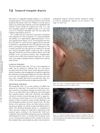 April 2012 in “Informa Healthcare eBooks”
 Temporal triangular alopecia is a lifelong condition with hairless patches on the side of the head that may be present from birth.
August 2025 in “Biomolecules” Fibroblast growth factors could be a better, safer treatment for hair loss than current options.
5 citations
,
June 2022 in “Biophysical Journal” TGF-β and TNF influence hair follicle cell fate, with TNF being more effective in triggering cell death.
January 2020 in “Global dermatology” Iontophoresis with a growth factor cocktail helps hair growth in patients with androgenetic alopecia.
4 citations
,
August 2025 in “Journal of Food Science” Tremella fuciformis polysaccharide has many health benefits and potential uses in food, medicine, and cosmetics.
 August 2024 in “Journal of Cosmetic Dermatology”
 CGF injections may safely and effectively promote hair growth in androgenetic alopecia patients.
15 citations
,
August 2019 in “F1000Research” CMG2 and TEM8 receptors have distinct roles in skin and growth disorders, affecting collagen breakdown and growth.