128 citations
,
January 2023 in “Frontiers in Endocrinology” Individualized treatment and support can help most couples with recurrent implantation failure achieve pregnancy.
1 citations
,
September 2025 in “Physiologia” Ovalbumin–aluminum sensitization causes increased pain sensitivity and nerve changes in mice.
142 citations
,
March 2019 in “Molecules/Molecules online/Molecules annual” Cannabinoids may help treat various skin conditions.
9 citations
,
September 2024 in “Journal of Clinical Medicine” Hidradenitis suppurativa is linked to autoinflammation and immune system issues.
 4 citations
,
October 2022 in “Genes”
4 citations
,
October 2022 in “Genes” Our microbiome may affect the development of the hair loss condition Alopecia Areata, but more research is needed to understand this relationship.
3 citations
,
June 2025 in “Biomedicines” Gut bacteria may influence hair loss in alopecia areata.

Alopecia Areata causes hair loss and needs treatments that address both physical and emotional health.
February 2024 in “International journal of molecular sciences” Type 3 Innate Lymphoid Cells help maintain skin health and balance, and are involved in skin diseases and healing.
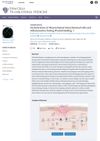 July 2023 in “Stem Cells Translational Medicine”
 Mesenchymal Stem/Stromal Cells (MSCs) help in wound healing and tissue regeneration, but can also contribute to tumor growth. They show promise in treating chronic wounds and certain burns, but their full healing mechanisms and potential challenges need further exploration.
55 citations
,
August 2024 in “Heliyon” Stem cell transplantation shows promise for treating diseases but faces challenges like safety, ethics, and cost.
22 citations
,
June 2024 in “Cell” Understanding tissue self-organization can improve treatments for diseases and advance regenerative medicine.

Mental health and hair loss are linked, and treating both can improve well-being.
14 citations
,
April 2021 in “International journal of molecular sciences” Mesenchymal stem cells may help treat hair loss by improving hair cell growth and reducing inflammation.
365 citations
,
November 2018 in “Journal of Allergy and Clinical Immunology” People with atopic dermatitis have different skin bacteria, and targeting these bacteria might help treat the condition.
50 citations
,
April 2021 in “Frontiers in Immunology” New therapies targeting skin neuroimmune interactions could treat neuropathic pain.
45 citations
,
October 2018 in “JCI Insight” Entospletinib effectively prevents eye and skin GVHD in mice.
 38 citations
,
January 2019 in “International Journal of Women's Dermatology”
38 citations
,
January 2019 in “International Journal of Women's Dermatology” The document concluded that more research is needed to find the best treatment for Frontal fibrosing alopecia.
2 citations
,
May 2025 in “IntechOpen eBooks” Early treatment with corticosteroids and immunosuppressants is crucial for managing Vogt-Koyanagi-Harada disease.

Bio-nanovesicles could improve hair and skin regeneration by delivering important molecules to repair and heal.
Ritlecitinib helps reduce inflammation and promote hair regrowth in alopecia areata, especially in patchy-type cases.
 February 2026 in “Probiotics and Antimicrobial Proteins”
 Modifying gut bacteria with pro- and postbiotics may help treat hair loss.
56 citations
,
October 2016 in “Journal of dermatological science” New insights into the causes and treatments for the autoimmune hair loss condition Alopecia areata have been made.
January 2026 in “Microorganisms” Bifidobacterium animalis subsp. lactis J12 helps reduce atopic dermatitis symptoms.
January 2026 in “Immunological Reviews” Females generally have stronger immune responses than males due to the X chromosome.
20 citations
,
December 2020 in “Frontiers in Immunology” The immune processes causing VKH and vitiligo are similar in dogs and humans.
 March 2026 in “Molecules”
 Dang Gui may help treat immune-related diseases by boosting and regulating the immune system.
83 citations
,
May 2022 in “Journal of Advanced Research” Enhancing glycolysis in mesenchymal stromal/stem cells boosts their immune functions and therapy potential.
March 2017 in “Current dermatology reports” Topical JAK inhibitors can effectively treat alopecia areata and vitiligo by modulating immune responses.
105 citations
,
December 2017 in “Journal of Biological Engineering” Artificial skin grafts face immune rejection, but stem cells may improve future designs.
July 2025 in “Nano Research” Nanotechnology can improve tissue healing by controlling immune responses.