4 citations
,
August 2024 in “International Journal of Molecular Sciences” EBGS reduces platelet adhesion, potentially helping prevent blood clots.
2 citations
,
October 2022 in “Electrochem” Plant-based sensors can help in healthcare but need skilled technicians.
1 citations
,
February 2025 in “Journal of Pharma Insights and Research.” Nutraceuticals like Ashwagandha and Cinnamon may help manage PCOD symptoms.
1 citations
,
December 2019 Selenium is essential for health, but too much or too little can cause problems; blood selenium levels are a good measure of intake.
Monocyclic aromatic compounds are important for developing various drugs and treatments.
June 2026 in “British Journal of Dermatology” Chance discoveries have led to important skin treatments, but systematic research makes them effective.
 March 2026 in “Zenodo (CERN European Organization for Nuclear Research)”
 Eclipta alba has potential health benefits, including anticancer and antibacterial properties.
 February 2026 in “International Journal of Molecular Sciences”
 Combining hyperthermia with natural compounds and conventional treatments improves cancer therapy effectiveness and reduces side effects.
Ladakh hotsprings contain compounds with potential medicinal benefits for various health conditions.
 March 2024 in “Journal of medicinal plants studies”
 Hibiscus has medicinal benefits but can be toxic in high doses and is unsafe for pregnant women and infants.
 October 2023 in “Frontiers in endocrinology”
 Effective PCOS treatments require targeting specific signaling pathways.
39 citations
,
February 2024 in “Small” Microneedles are becoming essential tools in medicine for sensing, drug delivery, and communication.
 39 citations
,
September 2016 in “Expert Opinion on Drug Delivery”
39 citations
,
September 2016 in “Expert Opinion on Drug Delivery” New drug delivery methods can make natural compounds more effective and stable.
10 citations
,
April 2022 in “Critical reviews in food science and nutrition” Skin odorant receptors respond to flavors and could be targeted to improve skin health and treat diseases.
 7 citations
,
March 2023 in “Antioxidants”
7 citations
,
March 2023 in “Antioxidants” Rosemary may help treat various skin conditions due to its antioxidant and anti-inflammatory properties.
May 2026 in “Cell Reports Medicine” FR-1 reduces skin scarring and promotes healing without harmful effects.
 March 2026 in “Journal of Drug Delivery and Therapeutics”
 Aloe vera is effective and safe for skin and hair care.
 January 2024 in “International Journal For Multidisciplinary Research”
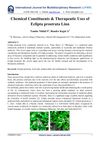
 Eclipta prostrata Linn has many health benefits and is used in traditional medicine.
 7 citations
,
August 2022 in “Experimental dermatology”
7 citations
,
August 2022 in “Experimental dermatology” Blocking YAP/TAZ could be a new way to treat skin cancer.
 2 citations
,
May 2023 in “Life”
2 citations
,
May 2023 in “Life” Plumbagin may help protect cells, reduce inflammation, and has potential for treating various diseases, but more research is needed.
 August 2025 in “International Journal of Research Publication and Reviews”
 Bhringraj is beneficial for treating various health issues like hair loss and liver disorders.
December 2024 in “Jurnal Ilmiah Farmasi (Scientific Journal of Pharmacy)” Nanotechnology could improve lavender oil's effectiveness, but more research is needed.
![Asl Us Soos [Glycyrrhiza Glabra (Linn)]: An Evidence-Based Review on Its Phytopharmacological, Therapeutic Potential and Gastroduodenal Ulcer Activity](/images/assets/6967bbcb-3ed8-4b8e-a417-ed1c34019505/small/62125.jpg) January 2026 in “International Journal of Unani and Integrative Medicine”
January 2026 in “International Journal of Unani and Integrative Medicine” Licorice can effectively treat stomach ulcers and may work as well as or better than some standard drugs.
January 2026 in “RSC Medicinal Chemistry” 2,5-DBH shows promise for improving drugs in cancer, brain disorders, and infections.
48 citations
,
April 2023 in “Aging Cell” Targeting cellular senescence may improve skin aging and disorders.
 1 citations
,
January 2022 in “PLoS Pathogens”
1 citations
,
January 2022 in “PLoS Pathogens” A new method using human lung cells helps find drugs to block and reduce inflammation from SARS-CoV-2.
 September 2025 in “International Journal of Biology Pharmacy and Allied Sciences”
 Rosemary is effective for hair and skin health due to its anti-inflammatory and antioxidant properties.
 January 2025 in “Journal of Medical Biochemistry”
 Superoxide dismutases help balance cell stress and may aid cancer treatment.
January 2025 in “International Journal of Advancement in Life Sciences Research” Calotropis gigantea leaf extract causes significant tissue damage and stress in fish.
Artemisia maritima L. has strong medicinal potential, especially for treating infections and inflammation.