 June 2025 in “Naunyn-Schmiedeberg s Archives of Pharmacology”
 Herbal remedies may help with hair loss but need more research.

Rosmagain™ oils effectively promote hair growth and scalp health.

Combining medications with scalp care and lifestyle changes boosts hair growth and reduces medication side effects.
 May 2024 in “Journal of cosmetic dermatology”
 Heat-treated Limosilactobacillus fermentum with menthol, salicylic acid, and panthenol promotes hair growth and balances scalp microbiome in people with androgenetic alopecia.
 February 2024 in “Plastic and Reconstructive Surgery – Global Open”
 Stem cell therapies show promise for hair regrowth in androgenetic alopecia.
 October 2023 in “The Cochrane library”
 The medicine baricitinib was found to notably improve hair regrowth in alopecia areata, but more research is needed on its side effects and other treatments.
 July 2023 in “JAAD International”
 Two drugs, finasteride and minoxidil, are approved for hair loss treatment, but new therapies are being developed.

New treatments for hair loss should target eight main causes and use specific plant compounds and peptides for better results.
 July 2023 in “International Journal of Cosmetic Science”
 Biopolymers are increasingly used in cosmetics for their non-toxicity and skin benefits, with future biotech advancements likely to expand their applications.
 May 2023 in “Journal of Clinical Medicine”
 New understanding and treatments for hair loss are improving, but more research is needed.
April 2023 in “Pharmacognosy Magazine” Cerasus serrulata flower extracts can help turn grey hair black again.

A man wrongly believed he had parasites, showing that delusional infestation can affect men and is often linked with other psychiatric issues, but can be treated with antipsychotics.
January 2021 in “Faculty of 1000 Research Ltd” The treatment showed promising hair growth results but needs more research.
January 2021 in “Faculty of 1000 Research Ltd” Combining SVF cells with PRP may boost hair growth in androgenic alopecia.
July 2012 in “International Journal of Trichology” Understanding hair health and disorders is important for effective treatment.
Natural adsorbents in cosmetics can significantly reduce skin and hair pollution.
 February 2026 in “Phycology”
 Microalgae can sustainably improve nutrition and cosmetics with their diverse beneficial compounds.
 March 2024 in “International Journal of Cosmetic Science”
 Dandruff is linked to increased T cells and weakened immune protection in hair follicles.
January 2024 in “Cosmetics” Menopause worsens skin, hair, and nails, affecting self-esteem and quality of life.
 January 2017 in “Journal of Investigative Dermatology Symposium Proceedings”
 The 2015 Hair Research Congress concluded that stem cells, maraviroc, and simvastatin could potentially treat Alopecia Areata, topical minoxidil, finasteride, and steroids could treat Frontal Fibrosing Alopecia, and PTGDR2 antagonists could also treat alopecia. They also found that low-level light therapy could help with hair loss, a robotic device could assist in hair extraction, and nutrition could aid hair growth. They suggested that Alopecia Areata is an inflammatory disorder, not a single disease, indicating a need for personalized treatments.
May 2021 in “F1000Research” The treatment led to denser, thicker hair growth and less hair loss.
 January 2016 in “Hematology & Transfusion International Journal”
 Platelet Rich Plasma (PRP) injections can improve hair count, thickness, and strength in people with androgenic alopecia.
8 citations
,
June 2025 in “Stem Cell Research & Therapy” Exosome therapy may help treat diabetic nerve damage, but more research is needed.
 8 citations
,
May 2023 in “Gels”
8 citations
,
May 2023 in “Gels” Chitosan hydrogels are promising for repairing blood vessels but need improvements in strength and compatibility.

Hair thickening procedures can help people with early hair loss when combined with proper scalp and hair care.
 6 citations
,
January 2017 in “Journal of toxicologic pathology”
6 citations
,
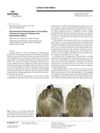
January 2017 in “Journal of toxicologic pathology” Rabbit skin with active hair growth shows thicker, redder areas due to larger, more numerous hair follicles and increased blood vessels.
 5 citations
,
January 2015 in “Skin appendage disorders”
5 citations
,
January 2015 in “Skin appendage disorders” Colored hair-thickening fibers can help hide hair loss in some people with Epidermolysis Bullosa but may cause scalp irritation.
2 citations
,
May 2024 in “BMC Genomics” Certain genetic changes in the KRT82 gene may cause patchy skin in New Zealand rabbits.
 February 2024 in “International Journal of Health and Pharmaceutical”
 Avemor, a natural tonic made from aloe vera and moringa, was less effective than minoxidil in promoting hair growth on rabbits.
13 citations
,
October 2016 in “Acta Biochimica et Biophysica Sinica” GhPLDα1 helps thicken cotton fiber walls by boosting cellulose production.