
Hair thickening procedures can help people with early hair loss when combined with proper scalp and hair care.
 6 citations
,
January 2017 in “Journal of toxicologic pathology”
6 citations
,
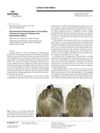
January 2017 in “Journal of toxicologic pathology” Rabbit skin with active hair growth shows thicker, redder areas due to larger, more numerous hair follicles and increased blood vessels.
 5 citations
,
January 2015 in “Skin appendage disorders”
5 citations
,
January 2015 in “Skin appendage disorders” Colored hair-thickening fibers can help hide hair loss in some people with Epidermolysis Bullosa but may cause scalp irritation.
2 citations
,
May 2024 in “BMC Genomics” Certain genetic changes in the KRT82 gene may cause patchy skin in New Zealand rabbits.
 February 2024 in “International Journal of Health and Pharmaceutical”
 Avemor, a natural tonic made from aloe vera and moringa, was less effective than minoxidil in promoting hair growth on rabbits.
13 citations
,
October 2016 in “Acta Biochimica et Biophysica Sinica” GhPLDα1 helps thicken cotton fiber walls by boosting cellulose production.
3 citations
,
January 1985 in “Drug development and industrial pharmacy” Additives like ethanol and propylene glycol increase the release of zinc pyrithione from shampoo.
 January 2024 in “Revista Dermatológica Centro Uraga”
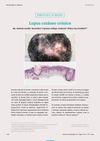
 The patient has Chronic Cutaneous Lupus, a skin condition causing plaques and hair loss.
 January 2015 in “Hair transplant forum international”
 Up to 10% of hair loss patients might have early signs of a condition called Lichen Planopilaris.
338 citations
,
April 2001 in “Current Biology” c-Myc activation in mouse skin increases sebaceous gland growth and affects hair follicle development.
252 citations
,
November 1995 in “The EMBO Journal” Blocking EGFR in mice causes hair loss and skin changes.
201 citations
,
May 2001 in “Proceedings of the National Academy of Sciences” Overexpression of COX-2 in mice skin causes abnormal skin and hair development.
152 citations
,
April 2002 in “The journal of investigative dermatology/Journal of investigative dermatology” A new mutation in the Connexin 26 gene was found in a patient with KID syndrome, expanding the known disorders linked to this gene.
148 citations
,
May 2008 in “The journal of investigative dermatology/Journal of investigative dermatology” Mice without the vitamin D receptor are more prone to UV-induced skin tumors.
135 citations
,
December 2006 in “PLoS Medicine” Hyaluronate fragments can help reverse skin thinning by working with the CD44 receptor.
 127 citations
,
July 2002 in “EMBO journal”
127 citations
,
July 2002 in “EMBO journal” Normal skin cell renewal doesn't need RAR signaling, but vitamin A-related skin thickening does.
100 citations
,
August 2008 in “American Journal Of Pathology” VEGF-A is crucial for normal skin function and may be linked to psoriasis.
 96 citations
,
January 1997 in “Clinics in Dermatology”
96 citations
,
January 1997 in “Clinics in Dermatology” Pregnancy can cause skin pigmentation, stretch marks, and changes in hair, nails, and sweat glands, with most resolving after birth.
82 citations
,
March 2013 in “PLoS ONE” Vemurafenib causes skin side effects similar to RASopathies, requiring regular skin checks and UVA protection.
81 citations
,
February 2014 in “EMBO molecular medicine” Activating Nrf2 in skin cells causes skin disease similar to chloracne in mice.
 81 citations
,
September 2005 in “The American journal of pathology”
81 citations
,
September 2005 in “The American journal of pathology” Activin helps skin growth and healing mainly through stromal cells and affects keratinocytes based on its amount.
 78 citations
,
April 1994 in “Archives of dermatology”
78 citations
,
April 1994 in “Archives of dermatology” The study found that Keratosis Pilaris Atrophicans is a genetic skin condition that starts in childhood, involves inflammation and scarring, and current treatments are only somewhat effective.
 58 citations
,
January 2020 in “International Journal of Molecular Sciences”
58 citations
,
January 2020 in “International Journal of Molecular Sciences” Different methods of preparing Platelet-Rich Plasma (PRP) can affect wound healing and hair regrowth in plastic surgery. Using a kit with specific standards helps isolate PRP that meets quality criteria. Non-Activated PRP and Activated PRP have varying effects depending on the tissue and condition treated. For hair regrowth, Non-Activated PRP increased hair density more than Activated PRP. Both treatments improved various aspects of scalp health.
54 citations
,
May 2001 in “Journal of Investigative Dermatology” Excessive putrescine causes hair loss in transgenic mice by disrupting hair follicle development.
 52 citations
,
March 2007 in “Dermatologic Therapy”
52 citations
,
March 2007 in “Dermatologic Therapy” The CLASI is a reliable tool for measuring the severity of cutaneous lupus erythematosus.
 49 citations
,
February 2009 in “Maturitas”
49 citations
,
February 2009 in “Maturitas” Short-term testosterone therapy in women seems safe with few mild side effects, but long-term effects need more research.
47 citations
,
June 2013 in “Biology of blood and marrow transplantation” Mice with human fetal thymic tissue and stem cells developed symptoms similar to chronic graft-versus-host disease.
45 citations
,
August 1954 in “Experimental Biology and Medicine” Vitamin A penetrates guinea pig skin quickly in alcohol, affects skin thickness, but doesn't impact hair growth.
 41 citations
,
October 2017 in “International Journal of Women's Dermatology”
41 citations
,
October 2017 in “International Journal of Women's Dermatology” Most pregnant women experience skin darkening and hair changes, with these effects usually going away after giving birth.
41 citations
,
December 2011 in “The journal of investigative dermatology/Journal of investigative dermatology” Deleting MED1 in skin cells causes hair loss and skin changes.