 8 citations
,
October 2014 in “Journal of analytical toxicology.”
8 citations
,
October 2014 in “Journal of analytical toxicology.” Chemical hair straightening significantly reduces detectable drug levels in hair.
3 citations
,
March 2013 in “Journal of the Society of Cosmetic Scientists of Korea” Transglutaminase can repair damaged hair, making it stronger and shinier.
March 2026 in “ACS Applied Bio Materials” The TO-TF copolymer strengthens damaged hair effectively and sustainably.
November 2025 in “Contact Dermatitis” Hair straightening products with glyoxylic acid can cause skin irritation and kidney damage.
2 citations
,
January 2011 Relaxers straighten African hair by breaking down its helical structure using strong bases.
20 citations
,
December 2012 in “Journal of molecular structure” The study found that thioglycolic acid breaks down hair bonds more consistently than l-cysteine, which is less damaging to hair.
29 citations
,
August 2011 in “PubMed” Polymeric pretreatments can significantly reduce hair breakage and damage from hot flat irons.
 November 2017 in “Koubunshi rombunshuu/Kōbunshi ronbunshū”
 Hematin in shampoo helps repair and straighten damaged hair.
1 citations
,
May 2013 in “PubMed” Glycylglycine makes hair softer by improving alignment and changing hair's internal properties.
 1 citations
,
March 2005 in “International Journal of Cosmetic Science”
1 citations
,
March 2005 in “International Journal of Cosmetic Science” Twisting hair weakens it, but strength can be recovered at low twist levels.
2 citations
,
December 2010 in “PubMed” The new stiffness test works well for gels but not for sprays.
September 2025 in “International Journal of Cosmetic Science” A balanced mix of cationic guar gum and anionic surfactants improves hair conditioning and protection.
31 citations
,
November 2003 in “Journal of Occupational Health” Thioglycolic acid in hair products may pose reproductive and cancer risks for hairdressers.
3 citations
,
January 2002 in “Springer eBooks” Alkaline hair relaxers damage hair, but cationic and non-ionic polymers can help reduce this damage.
 January 2013 in “Transactions of the Materials Research Society of Japan”
 CMADK reduces hair damage from bleaching and permanent waving.
 3 citations
,
June 2019 in “Journal of cosmetic dermatology”
3 citations
,
June 2019 in “Journal of cosmetic dermatology” Lower pH straighteners change hair more but weaken it.
 4 citations
,
March 2021 in “Journal of Surfactants and Detergents”
4 citations
,
March 2021 in “Journal of Surfactants and Detergents” Shampoo B, which uses water-soluble silicone, is better at detangling hair in wet conditions due to its two-layer conditioning film.
2 citations
,
July 2013 in “Acervo Digital da Universidade Estadual Paulista (Universidade Estadual Paulista)” The shampoo effectively defines and models curls while reducing frizz and volume.
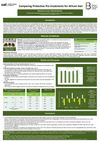 September 2019 in “University of the Arts London Research Online (University of the Arts London)”
 Plant oils and polymers can help protect African hair from damage during styling.
November 2025 in “Advanced Healthcare Materials” Charge-conversion chemistry improves hair-rebonding by enhancing penetration and strength.
3 citations
,
May 2009 in “International Journal of Cosmetic Science” Relaxer treatments damage African–American hair, with commercial products causing more harm than lab-made solutions.
 40 citations
,
June 2013 in “Journal of cosmetic dermatology”
40 citations
,
June 2013 in “Journal of cosmetic dermatology” Brazilian keratin treatments can straighten hair but may contain harmful formaldehyde.
NaOH treatment improves hair strength and suitability for textiles.
August 2025 in “Clinical Toxicology” Hair-straightening products with glyoxylic acid may cause kidney damage.
 December 2023 in “Journal of molecular structure”
 Hair treatments and dehydration affect hair's lipid and protein behavior, influencing its flexibility and appearance.
October 2012 in “한국미용학회지” For best curls and hair health, use keratin and ceramide after rinsing, or skip rinsing for stable curls.
 September 2023 in “International Journal of Cosmetic Science”
 The shampoo improves hair conditioning without using silicone.
12 citations
,
July 2017 in “International Journal of Cosmetic Science” N‐AOHPA is a promising alternative to traditional surfactants for better hair conditioning.
 September 2020 in “Benha Journal of Applied Sciences”
 Protein hair straighteners damage the hair more than hair dyes.
 3 citations
,
June 2023 in “ACS sustainable chemistry & engineering”
3 citations
,
June 2023 in “ACS sustainable chemistry & engineering” The study found a green method for strengthening hair works on all hair colors and is eco-friendly.