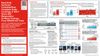
 January 2025 in “SKIN The Journal of Cutaneous Medicine”
 Baricitinib significantly regrows hair in severe alopecia areata patients.
 December 2022 in “Small methods”
 A new hair loss treatment using dissolving microneedles was found to speed up hair growth and was more effective than daily use of common hair growth drugs.
 3 citations
,
April 2016 in “Journal of Investigative Dermatology”
3 citations
,
April 2016 in “Journal of Investigative Dermatology” Tofacitinib, a JAK inhibitor, improved hair regrowth in most patients with severe alopecia areata and had minimal side effects.
 March 2023 in “PARIPEX INDIAN JOURNAL OF RESEARCH”
 Tofacitinib helped regrow hair in most patients with severe hair loss.
August 2010 in “Oncology Times” Provenge extends prostate cancer survival by about 4 months.
The serum improved hair growth and comfort after hair transplant.
January 2026 in “Dermatologic Therapy” Ritlecitinib is effective and safe for treating severe alopecia areata, showing significant hair regrowth and improved mental health.
January 2025 in “Figshare” Compound glycyrrhizin with conventional treatments is effective and safe for promoting hair regrowth in alopecia areata.
 April 2016 in “Journal of The American Academy of Dermatology”
 Dutasteride is more effective than finasteride for hair growth with similar side effects.
January 2025 in “Archivio istituzionale della ricerca (Alma Mater Studiorum Università di Bologna)” Skin patting and iontophoresis with dutasteride gel improved hair growth in people with androgenetic alopecia.
27 citations
,
January 1986 in “PubMed” 1% minoxidil didn't improve hair growth for severe alopecia areata.
2 citations
,
June 2024 in “Dermatology” Ritlecitinib improves hair regrowth satisfaction in alopecia areata patients.
 January 2026 in “Dermatology Reports”
 Upadacitinib improved symptoms and hair regrowth in a teen with multiple autoimmune conditions.
 16 citations
,
February 2018 in “Journal of Cosmetic Dermatology”
16 citations
,
February 2018 in “Journal of Cosmetic Dermatology” Carboxytherapy may help increase hair growth in alopecia patients but requires ongoing treatment.
 February 2024 in “Hormones”
 Future hormone therapy trials should match the diverse needs and priorities of the gender-diverse community.
 26 citations
,
October 2016 in “Case Reports in Dermatology”
26 citations
,
October 2016 in “Case Reports in Dermatology” A man with severe hair loss saw hair and nail improvement after 10 months on tofacitinib without side effects.
 June 2026 in “Journal of Sulaimani Medical College”
 Adipose-derived stem cell exosomes are more effective and satisfying for treating hair loss than minoxidil.
 December 2024 in “Drug Discoveries & Therapeutics”
 Baricitinib-loaded EVs help hair regrowth in alopecia areata by reducing inflammation and promoting hair follicle regeneration.
 June 2017 in “Journal of the American Academy of Dermatology”
 Tofacitinib is effective and safe for treating severe alopecia areata and related conditions.
 July 2023 in “Research Square (Research Square)”
 Aloe Vera and injectable platelet-rich fibrin (i-PRF) together can speed up and improve hair growth when used in the right amounts.
 September 2022 in “Hair transplant forum international”
 JAK inhibitors like baricitinib are a new FDA-approved treatment for alopecia areata, but safety data is incomplete.
February 2025 in “Brazilian Journal of Hair Health” Personalized multimodal treatment significantly improved hair growth and scalp coverage in androgenetic alopecia without side effects.
June 2026 in “Cancer Research Communications” The treatment combination is safe and effective for some patients with this type of breast cancer.
6 citations
,
March 2024 in “SKIN The Journal of Cutaneous Medicine” Ritlecitinib is effective for long-term treatment of severe alopecia areata.
 January 2023 in “Journal of The American Academy of Dermatology”
 Baricitinib helped most teenagers with severe hair loss regrow hair and had mild side effects.
 January 2026 in “BULLETIN OF STOMATOLOGY AND MAXILLOFACIAL SURGERY”
 Both treatments help hair regrowth, but Botulinum Toxin-A has fewer side effects.
22 citations
,
September 2020 in “Journal of the American Academy of Dermatology” Apremilast may be a promising long-term treatment for hidradenitis suppurativa.
June 2025 in “British Journal of Dermatology” Dual-targeting therapies like Janus kinase inhibitors may treat both alopecia areata and other immune diseases.
 November 2023 in “Dermatologica sinica/Zhōnghuá pífūkē yīxué zázhì”
 Upadacitinib helped regrow hair in a severe alopecia areata patient but stopping treatment caused hair loss to return.
 January 2019 in “Research Square (Research Square)”
 The trial will test if YH0618 granule prevents hair loss in breast cancer patients during chemotherapy.