Neuropeptides affect hair growth and could be used to control it.
65 citations
,
December 2010 in “Current Pharmaceutical Biotechnology” TRPV1 is involved in pain, various body functions, and diseases, but targeting it for treatment is challenging.
269 citations
,
May 2002 in “Hormones and Behavior” Lowering 3α,5α-THP in the hippocampus increases anxiety and depression in proestrous rats.
December 2025 in “JEADV Clinical Practice” These new skin treatments are safer and more effective with minimal side effects.
 9 citations
,
December 2023 in “Journal of Neuroimmune Pharmacology”
9 citations
,
December 2023 in “Journal of Neuroimmune Pharmacology” NDP-MSH protects brain cells and reduces inflammation in Parkinson's disease by activating MC1R and involving Tregs.
June 2013 in “Clinical Neurophysiology” Finasteride improved reflexes and motor activity in rats with liver-related brain issues.
January 2026 in “Biomacromolecules” A new topical method using peptides boosts hair growth effectively with less finasteride and fewer side effects.
 1 citations
,
April 1987 in “American Journal of Nursing”
1 citations
,
April 1987 in “American Journal of Nursing” Some drugs can cause serious side effects, like hypoglycemia from mix-ups, skin reactions, or depression, and while penicillamine may help rheumatoid arthritis more than auranofin, it has more severe side effects.
 4 citations
,
August 2022 in “The Scientific World Journal”
4 citations
,
August 2022 in “The Scientific World Journal” Merremia peltata leaf extract, particularly the bufotalinin compound, shows potential for treating hair loss.
 1 citations
,
September 2023
1 citations
,
September 2023 Tridax procumbens and ginger juice together protect the liver from paracetamol damage.
28 citations
,
September 2021 in “EMBO reports” Osthole inhibits the TRPV3 channel by binding to specific sites, potentially aiding drug development for skin diseases and cancers.
 August 2016 in “PolyPublie (École Polytechnique de Montréal)”
 Doxorubicin causes heart damage, so early detection and monitoring are important during chemotherapy.
 April 2023 in “Dermatology practical & conceptual”
 Tacrolimus solution is effective and well-tolerated for treating inflammatory scalp conditions.
40 citations
,
March 2003 in “The journal of small animal practice/Journal of small animal practice” Trilostane helped a dog with an adrenal tumor feel better and stay healthy.
 February 2025 in “Revista Eletrônica Acervo Saúde”
 Triamcinolone hexacetonide is effective but has side effects, while PRP and minoxidil are safer alternatives for treating alopecia areata.
May 2010 in “OPAL (Open@LaTrobe) (La Trobe University)” Vaccines and targeting TrxR variants can help prevent cancer and reduce metastasis.
11 citations
,
August 2021 in “Stem Cell Research & Therapy” Pimecrolimus reduces the effectiveness of stem cell therapy for atopic dermatitis.
October 2024 in “JURNAL ILMU KEFARMASIAN INDONESIA” The extracts may help hair growth.
 15 citations
,
March 2014 in “Molecular Medicine Reports”
15 citations
,
March 2014 in “Molecular Medicine Reports” α-spinasterol from Melandrium firmum can help reduce prostate enlargement.
September 2022 in “International Journal of Trichology” Both microneedling and injections are equally effective for treating alopecia areata.
January 2021 in “Annals of translational medicine” YH0618 helped reduce skin and nail problems and fatigue in chemotherapy patients.
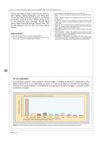
The document corrects a mistake by stating that pimecrolimus, not tacrolimus, is the drug that concentrates in the skin.
 6 citations
,
May 2022 in “Research and reports in urology”
6 citations
,
May 2022 in “Research and reports in urology” Caesalpinia bonduc seed extracts may help treat enlarged prostate in rats.
18 citations
,
September 1972 in “British Journal of Pharmacology” PCPA induces hypersexual behavior in male rats regardless of age or castration status.
 2 citations
,
October 2018 in “Archives of Dermatological Research”
2 citations
,
October 2018 in “Archives of Dermatological Research” Tofacitinib helps mice grow more hair by increasing noggin and BMP4 levels, possibly better than minoxidil.
Teprotumumab for thyroid eye disease commonly causes fatigue, brittle nails, dry eyes, hair loss, muscle spasms, and dry mouth, with rare serious events like blood clots.
48 citations
,
January 2008 in “European Neurology” Thallium poisoning causes pain, hair loss, and nerve issues, treatable with hemoperfusion and hemodialysis.
Epimorphin helps shape and develop epithelial cells, like those in hair follicles.
 21 citations
,
January 2023 in “Biomaterials Science”
21 citations
,
January 2023 in “Biomaterials Science” Microneedle patches with alpha-arbutin and resveratrol can effectively reduce skin pigmentation without irritation.
 October 2023 in “Jurnal Ilmu Kesehatan Hewan”
 The kitten's skin condition improved significantly after 4 weeks of treatment.