November 2023 in “Ibrahim Cardiac Medical Journal” Alopecia areata patients are more likely to have thyroid disorders than healthy individuals.
June 2024 in “Kerala Journal of Ayurveda” Ayurvedic treatment led to significant hair regrowth in alopecia areata.
2 citations
,
March 2026 in “Journal of Dermatological Treatment” JAK inhibitors for alopecia areata have different safety risks, requiring specific monitoring for each drug.
 1 citations
,
January 2015 in “Research Journal of Pharmacy and Technology”
1 citations
,
January 2015 in “Research Journal of Pharmacy and Technology” The document's conclusion cannot be provided because the document is not accessible or understandable.
July 2021 in “Journal of dermatology & dermatologic surgery” IMTA can help regrow hair in severe alopecia areata when JAK inhibitors don't work well.
 May 2026 in “Research Square”
 TikTok can educate about alopecia, but more accurate content from medical professionals is needed.
15 citations
,
August 2013 in “Gene” The MTHFR C677T mutation may increase the risk of alopecia areata in the Turkish population.
 September 2025 in “PubMed”
 Thulium laser therapy is a safe and effective short-term treatment for hair regrowth in androgenic alopecia patients.
June 2025 in “British Journal of Dermatology” Ritlecitinib may cause serious side effects like blood clots in alopecia areata patients.
July 2024 in “Journal of Investigative Dermatology” Expanding regulatory T cells may help treat alopecia areata by reducing harmful immune cells.
March 2026 in “ACS Applied Bio Materials” The TO-TF copolymer strengthens damaged hair effectively and sustainably.
April 2023 in “The Medical Journal of Australia” A five-year-old girl has a harmless, unchanging bald patch on her scalp.
January 2025 in “Surgical & Cosmetic Dermatology” Temporal triangular alopecia causes permanent hair loss and can be managed with treatments like minoxidil or hair transplantation.
3 citations
,
August 2019 in “Medika Tadulako: Jurnal Ilmiah Kedokteran Fakultas Kedokteran dan Ilmu Kesehatan” A 3% hair tonic with bitter melon leaf and carrot extracts boosts hair growth effectively.
 January 2025 in “Termometer Jurnal Ilmiah Ilmu Kesehatan dan Kedokteran”
 Tea leaf extract tonic promotes hair growth better than controls but has stability issues.
October 2020 in “Der Hautarzt” Tofacitinib helped regrow hair in a woman with alopecia areata.
 January 2026 in “Dermatology and Therapy”
 Patients with alopecia areata on ritlecitinib responded well to tetanus and meningococcal vaccines.

Farudodstat can prevent hair follicle immune damage linked to alopecia areata.
 September 2025 in “Journal of the American Academy of Dermatology”
 Sublingual minoxidil significantly improves hair growth in transgender individuals on testosterone therapy.
 January 2018 in “Journal of Cleft Lip Palate and Craniofacial Anomalies”
 The FUE technique can effectively restore moustaches in patients with cleft lips and alopecia, with few complications.
November 2025 in “Journal of Investigative Dermatology” Ritlecitinib effectively treats severe Alopecia Areata by reducing harmful immune activity in the skin.
91 citations
,
May 2023 in “Journal of Cutaneous Medicine and Surgery” Alopecia Areata affects 2% globally, with treatments like essential oils, garlic, and JAK inhibitors showing promise, but more research is needed.
 April 2020 in “Dermatology and therapy”
 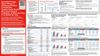 November 2025 in “SKIN The Journal of Cutaneous Medicine”
 Baricitinib works better in adolescents than adults for treating severe alopecia areata.

Teak leaf extract can help treat hair loss, and its effectiveness varies by geographic origin.
44 citations
,
November 2022 in “Frontiers in Immunology” TLR-targeted therapies show promise in cancer treatment by helping destroy tumors.
18 citations
,
January 2013 in “PLoS ONE” HLA-DRB5 and other genes may be linked to alopecia universalis.
July 2025 in “JURNAL BIOLOGI TROPIS” A shampoo with teak leaf extract and coconut oil can significantly boost hair growth and reduce hair loss.
 July 2025 in “Russian Journal of Clinical Dermatology and Venereology”
 Tofacitinib may help hair regrowth in familial alopecia areata with immune issues, but more research is needed.