 December 2023 in “European journal of dermatology/EJD. European journal of dermatology”
 More effective treatments are needed for severe alopecia areata.
 September 2023 in “Cureus”
 Early recognition and treatment of atypical alopecia areata in infants are crucial.
 September 2023 in “Journal of the Dermatology Nurses’ Association”
 Platelet-Rich Plasma (PRP) may be a safe and effective treatment for hair loss caused by Alopecia Areata.
 July 2023 in “IntechOpen eBooks”
 Some types of hair loss can be reversed, others are permanent, and treatments vary by type.
June 2023 in “Value in Health” Alopecia areata treatments often cause headaches and infections, highlighting the need for safer options.
 May 2023 in “Journal of managed care & specialty pharmacy”
 Alopecia areata causes hair loss and life quality issues; current treatments are often unsatisfactory, but new drugs like JAK inhibitors show promise.
April 2023 in “Media Dermato Venereologica Indonesiana” COVID-19 reinfection may trigger alopecia areata.
 July 2022 in “Singapore Medical Journal”
 Most children with alopecia areata improved with treatment, but those with more hair loss had worse outcomes.
 June 2022 in “Journal of pharmaceutical research international”
 Alopecia causes patchy hair loss and can be diagnosed with new techniques; treatments like strong creams and contact immunotherapy can help.
 March 2022 in “Wound practice & research”
 New treatments for alopecia areata show promise, but standardized guidelines are needed.
January 2022 in “Clinical Cases in Dermatology” A 22-year-old man has alopecia areata, an autoimmune hair loss condition, with various treatments available.
 January 2022 in “Clinical dermatology open access journal”
 Early-stage Alopecia Areata was effectively treated in less than six months.
 August 2018 in “Journal of the American Academy of Dermatology”
 Calcipotriol may effectively treat hair loss in alopecia areata, working better in children than adults.
 May 2017 in “IOSR journal of dental and medical sciences”
 Both Betasalic ointment and 5% minoxidil are effective and safe for treating Alopecia Areata.
 February 2017 in “Medicina cutánea ibero-latino-americana”
 An 8-year-old boy with hair loss had hair regrowth and responded well to clobetasol propionate treatment.
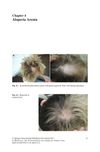 December 2016 in “Springer eBooks”
 A 45-year-old woman with autoimmune diseases experienced patchy hair loss due to alopecia areata, which has no cure but can be treated, with varying success.
 January 2016 in “Journal of The Korean Medical Association”
 The document says how to diagnose and treat hair loss from alopecia areata, but there's no cure and treatments vary.
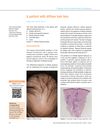 January 2015 in “Indian Dermatology Online Journal”
 The patient's hair loss is most likely due to diffuse alopecia areata.
 March 2014 in “Journal of The American Academy of Dermatology”
 Azathioprine may help with severe hair loss, a new topical treatment could counteract hair thinning, and trichoscopy can diagnose hair-pulling disorder effectively.
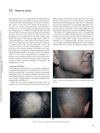 April 2012 in “Informa Healthcare eBooks”
 Alopecia areata is a common autoimmune condition causing varying hair loss, diagnosed by specific patterns of inflammation around hair follicles, with several treatment options available.
February 2006 in “DOAJ (DOAJ: Directory of Open Access Journals)” Alopecia areata treatments include immune inhibitors, topical sensitizers, irritants, and minoxidil, with future focus on immunosuppressive approaches.
 December 2025 in “Zenodo (CERN European Organization for Nuclear Research)”
 Anti-androgens help manage PCOS symptoms like excess hair and acne.
 December 2025 in “Zenodo (CERN European Organization for Nuclear Research)”
 Anti-androgens help manage PCOS symptoms like excess hair and acne.
1 citations
,
January 2024 in “Pharmaceuticals” A new carrier improves skin delivery of tofacitinib for treating inflammatory skin diseases.
 December 2023 in “International Journal of Advanced Research in Science, Communication and Technology”
 A reliable method was created to measure Minoxidil and Finasteride in a solution.
1 citations
,
September 2024 in “Actas Dermo-Sifiliográficas” Alopecia areata is more common in women, often appears as patchy hair loss, and is usually treated with steroid injections and minoxidil.
 February 2026 in “Journal of the American Academy of Dermatology”
 Ophiasis mainly affects females, lasts longer, and has lower regrowth rates, with a new classification system helping predict treatment response.
 June 2025 in “Italian Journal of Dermatology and Venereology”
 Thorough scalp examination is crucial for diagnosing alopecia areata incognita in men with diffuse hair loss.
September 2024 in “Dermatologica Sinica” Ponatinib can cause a rare skin reaction that resolves with topical treatment and temporary drug discontinuation.
 6 citations
,
March 2003 in “Dermatologic Surgery”
6 citations
,
March 2003 in “Dermatologic Surgery” Dr. Dominic A. Brandy developed successful techniques to fix unnatural looks caused by old hair restoration methods, and using oral finasteride and topical minoxidil can help control hair loss in most men.