 2 citations
,
June 2018 in “Journal of the American Academy of Dermatology”
2 citations
,
June 2018 in “Journal of the American Academy of Dermatology” Alopecia areata causes varying hair loss and nail changes, and treatments include topical, systemic, and injectable therapies.
 1 citations
,
July 2023 in “Cutis”
1 citations
,
July 2023 in “Cutis” Scalp rolling might help regrow hair in people with a hair loss condition called Alopecia Areata.
 1 citations
,
January 2023 in “Przegląd Dermatologiczny”
1 citations
,
January 2023 in “Przegląd Dermatologiczny” The Polish Society of Dermatology recommends treatments for alopecia areata that vary by severity, including topical and systemic medications, with long-term maintenance important for management.
1 citations
,
January 2021 PRP is effective for treating patchy alopecia areata.
 1 citations
,
January 2014 in “Hair therapy & transplantation”
1 citations
,
January 2014 in “Hair therapy & transplantation” Platelet-rich plasma treatment is not very effective for chronic severe alopecia areata.
 1 citations
,
January 2013 in “International Journal of Trichology”
1 citations
,
January 2013 in “International Journal of Trichology” The conference discussed various hair disorders and treatments, including the use of topical steroids, high doses of cetrizine, and hair grafting, as well as the psychological impact of hair loss.
1 citations
,
January 2011 in “MOspace Institutional Repository (University of Missouri)” Topical immunotherapy with SADBE and DPCP is most effective for short-term hair regrowth in children with severe alopecia areata.
 1 citations
,
November 1989 in “PubMed”
1 citations
,
November 1989 in “PubMed” Male-pattern baldness is a natural process with unclear causes, and while Minoxidil can help, the results often aren't satisfactory.
May 2026 in “JDDG Journal der Deutschen Dermatologischen Gesellschaft” Use topical corticosteroids for alopecia areata, consider systemic treatments like corticosteroids or JAK inhibitors for severe cases, and inform about cosmetic options.
January 2026 in “Journal of Aesthetic Nursing” Combining PRP, light therapy, and microneedling can significantly regrow hair in severe alopecia cases.
Children with alopecia areata need supportive care and off-label treatments due to a lack of approved options.
June 2025 in “Revista Foco” JAK inhibitors effectively treat severe alopecia areata with manageable side effects.
 March 2025 in “Journal of Education Health and Sport”
 Alopecia areata causes hair loss due to immune issues, and while new treatments show promise, no universally effective solution exists yet.
 February 2025 in “Expert Opinion on Drug Metabolism & Toxicology”
 Future alopecia treatments will improve with targeted therapies and personalized approaches.
 January 2025 in “Dermatology Practical & Conceptual”
 Perinevoid alopecia can be effectively treated with non-invasive corticosteroids.
January 2025 in “JDDG Journal der Deutschen Dermatologischen Gesellschaft” Pediatric alopecia areata needs better treatments and psychological support.
January 2025 in “Indian Journal of Dermatology” High fever from COVID-19 might trigger hair loss.

The patch effectively promotes hair growth for alopecia areata without pain.
 December 2024 in “Dermatological Reviews”
 New treatments for Alopecia Areata, like JAK inhibitors, are effective, and future research is exploring advanced therapies.
 October 2024 in “JEADV Clinical Practice”
 UK dermatologists commonly use corticosteroids and minoxidil to treat hair loss conditions.
 October 2024 in “Journal of Education Health and Sport”
 Alopecia areata treatment should be personalized, using topical or systemic therapies based on severity, with promising options like JAK inhibitors needing more research.
 July 2024 in “Medical alphabet”
 Betamethasone injections are more effective than Clobetasol for treating alopecia areata in children.
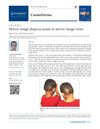
Mirror-image twins can have alopecia areata on opposite sides of their heads.
 April 2024 in “Frontiers in pharmacology”
 Brepocitinib 30mg is most effective for moderate-to-severe alopecia areata, but ritlecitinib 50mg may offer a better balance of safety and effectiveness.
 April 2024 in “Skin research and technology”
 Minoxidil with triamcinolone acetonide is more effective for mild alopecia areata when injected with microneedles than when applied topically.
 February 2024 in “Actas dermo-sifiliográficas/Actas dermo-sifiliográficas”
 Most alopecia areata patients in the study were women, aged 15-49, with patchy hair loss and often had other health conditions.
 February 2024 in “Lasers in Medical Science”
 Lasers and energy-assisted methods show promise for treating hair loss, but more research is needed.
January 2024 in “Physiotherapia Croatica” New treatments like JAK inhibitors offer hope for hair regrowth in severe alopecia areata.
New drugs, baricitinib and ritlecitinib, are effective for severe alopecia areata.
 December 2023 in “Dermatology and therapy”
 Japanese patients and physicians often disagree on the severity of Alopecia Areata and treatment satisfaction, needing better communication and treatments.