 1 citations
,
May 2017 in “InTech eBooks”
1 citations
,
May 2017 in “InTech eBooks” The document concludes that alopecia areata is an unpredictable autoimmune hair loss condition with no cure, but various treatments exist that require personalized approaches.
 1 citations
,
February 2004
1 citations
,
February 2004 Skin diseases are common and can significantly affect people's lives; better outcome measures and ethical clinical trials are needed to improve dermatology care.
 July 2025 in “International Journal of Pharmaceutical Sciences Review and Research”
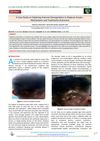
 Individualized treatment and psychological support improved the patient's quality of life and appearance despite medication side effects.
 October 2024 in “Asian Journal of Pharmaceutical and Clinical Research”
 Topical methotrexate is more effective and as safe as betamethasone for treating alopecia areata.
 April 2024 in “Dermatology and therapy”
 There are significant gaps and inconsistencies in diagnosing and treating alopecia areata in Greece and Italy.

Betamethasone dipropionate lotion is more effective than minoxidil solution for treating Alopecia Areata.
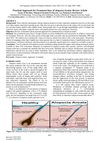 July 2023 in “The Egyptian Journal of Hospital Medicine ”
 The conclusion is that emotional support and a variety of treatments are important for alopecia areata, but more research is needed.
 July 2022 in “Al-Mağallaẗ al-ʻirāqiyyaẗ li-l-ṣaydalaẗ”
 Azelaic acid cream can effectively treat scalp hair loss.
 July 2021 in “Clinical case reports and studies”
 Topical diphencyprone effectively treated a 9-year-old boy's alopecia areata with fewer side effects.
 January 2021 in “Online Publication Service of Würzburg University (Würzburg University)”
 Diphenylcyclopropenon treatment for Alopecia areata is effective and safe, improving patients' quality of life.
 January 2017 in “Springer eBooks”
 The document explains various skin conditions and their treatments.
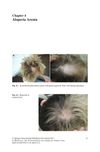 December 2016 in “Springer eBooks”
 A 45-year-old woman with autoimmune diseases experienced patchy hair loss due to alopecia areata, which has no cure but can be treated, with varying success.
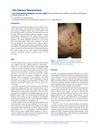 October 2016 in “Elsevier eBooks”
 Common noncancerous skin diseases have various treatments, including topical applications, light therapy, surgery, and medications, with psychological support being important.
 May 2003 in “Journal of Investigative Dermatology”
 The meeting covered advances in understanding hair growth, causes of hair loss, and potential treatments.
 July 1980 in “Journal of The American Academy of Dermatology”
 The conference concluded that understanding hair and nail disorders is important, iron deficiency may be linked to hair loss, and while some treatments for skin conditions are effective, they may have risks and high costs.
 39 citations
,
April 2011 in “Recent Patents on Drug Delivery & Formulation”
39 citations
,
April 2011 in “Recent Patents on Drug Delivery & Formulation” Nanoemulsion-based drug delivery systems are versatile and have potential for treating various medical conditions and improving vaccines.
 15 citations
,
April 2022 in “Biointerface Research in Applied Chemistry”
15 citations
,
April 2022 in “Biointerface Research in Applied Chemistry” Medicinal plants may be an effective alternative for treating acne.
 5 citations
,
February 2013 in “Expert Review of Dermatology”
5 citations
,
February 2013 in “Expert Review of Dermatology” New acne treatments include combination creams, advanced retinoids, and light therapies, focusing on safety and patient adherence.
 2 citations
,
April 2022 in “Clinical, cosmetic and investigational dermatology”
2 citations
,
April 2022 in “Clinical, cosmetic and investigational dermatology” A new plant-based treatment was effective for hair regrowth in women with a specific type of hair loss that didn't respond to usual treatments.
November 2025 in “Journal of Medicinal Chemistry” Topical PROTACs show promise for treating skin conditions but need better stability and delivery methods.
 February 2024 in “ACS Omega”
 The Shen Bai Hair Growing Decoction may help treat hair loss by promoting hair growth and reducing inflammation.
 June 2008 in “British Journal of Dermatology”
 Herpes gestationis is linked to certain antigens, atopic eczema affects T cell populations and may be eased by breastfeeding, higher doses of anti-androgen treatment can improve androgenic alopecia, topical minoxidil increases hair thickness, long-term methotrexate therapy can cause liver fibrosis in psoriasis patients, and Lichen Sclerosus et Atrophicus patients aren't at higher risk for autoimmune disorders.
 September 1995 in “American Journal of Contact Dermatitis”
 Antiyeast treatments work better for seborrheic dermatitis than steroids, and other findings include increased skin bacteria under plastic wrap, a nasal cell defect in Staphylococcus aureus carriers, quick resolution of certain skin reactions, high rubber latex allergy in spina bifida patients, and glyceryl monopentadecanoate's effectiveness for male hair loss.
 17 citations
,
September 2003 in “Journal of Investigative Dermatology Symposium Proceedings”
17 citations
,
September 2003 in “Journal of Investigative Dermatology Symposium Proceedings” Old treatments for other skin conditions showed promise for hair regrowth in mice with a hair loss condition.
 January 2007 in “Elsevier eBooks”
 Alopecia areata is a reversible, autoimmune-related hair loss that can have significant emotional impact and uncertain treatment effectiveness.
6 citations
,
May 2025 in “Cosmetics” Sunscreen technology is improving with new ingredients and methods to better protect skin from sun damage.

Vitamin D3 helps treat mild to moderate alopecia areata, especially when combined with other treatments.
 30 citations
,
August 2015 in “JAAD case reports”
30 citations
,
August 2015 in “JAAD case reports” Platelet-rich plasma (PRP) injections successfully treated a woman's steroid-resistant hair loss, causing hair to regrow within a month.
14 citations
,
January 2015 in “Indian journal of dermatology, venereology, and leprology” Methylprednisolone infusions can help some people with severe alopecia regrow hair.
2 citations
,
September 2019 Alopecia areata treatments should be personalized, using options like steroids, JAK inhibitors, and other therapies based on individual needs.