11 citations
,
September 2024 in “Journal of the European Academy of Dermatology and Venereology” Hair regrows faster in alopecia areata than skin re-pigments in vitiligo due to differences in stem cells and treatment effects.
 6 citations
,
May 2023 in “Drugs”
6 citations
,
May 2023 in “Drugs” Baricitinib helps regrow hair in adults with severe alopecia better than a placebo and is approved for treatment, but long-term effects are still unknown.
4 citations
,
March 2025 in “The Journal of Dermatology” Ritlecitinib is effective and safe for hair regrowth in Asian patients with alopecia areata.
3 citations
,
September 2025 in “Frontiers in Immunology” JAK inhibitors are effective for treating moderate-to-severe alopecia areata.
3 citations
,
July 2023 in “International Journal of Trichology” DPCP can help regrow hair in some people with severe alopecia.
1 citations
,
November 2025 in “Journal of Dermatological Treatment” Baricitinib is effective and safe for treating severe alopecia areata.
 February 2026 in “Stem Cell Research & Therapy”
 Stem cell therapies show promise for hair regrowth in alopecia areata but need more research for safety and effectiveness.
 January 2026 in “Medicine”
 Hejie Shengfa Decoction may help treat alopecia areata by promoting hair growth and reducing inflammation, but more safety studies are needed.

JAK inhibitors effectively regrow hair in children with alopecia areata and are safe to use.
 September 2024 in “Journal of Cosmetic Dermatology”
 Combining CGF and microneedling with betamethasone effectively treats resistant alopecia areata.
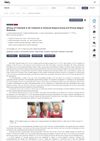
Tofacitinib may effectively treat hair loss and improve symptoms in autoimmune conditions like alopecia areata and Sjögren's syndrome, but long-term treatment might be necessary.
 January 2023 in “Journal of The American Academy of Dermatology”
 Baricitinib helped most teenagers with severe hair loss regrow hair and had mild side effects.
 July 2012 in “Faculty Opinions – Post-Publication Peer Review of the Biomedical Literature”
 New treatment with Wnt proteins and growth factors safely increases hair thickness.
91 citations
,
March 1996 in “Archives of Dermatological Research” Certain cytokines and growth factors can inhibit hair growth and may affect alopecia areata.
5 citations
,
March 1996 in “Archives of Dermatological Research” Certain cytokines and growth factors can stop hair growth and may play a role in alopecia areata.
3 citations
,
December 2024 in “International Journal of Dermatology” Premature hair graying is caused by genetics, stress, and lifestyle, and affects mental health.
December 2025 in “Clinical Case Reports” Exosome therapy helped regrow and repigment beard hair in a man with alopecia.

Cyclosporine is more effective than betamethasone for treating alopecia areata, despite mild side effects.
25 citations
,
May 2017 in “InTech eBooks” Catalytic antibodies are early indicators and active participants in the development of systemic lupus erythematosus.
12 citations
,
May 2015 in “Journal of the National Comprehensive Cancer Network” Doctors should actively prevent and treat skin side effects in cancer patients to keep them on the best medication and reduce discomfort.
9 citations
,
January 2013 in “International journal of trichology” 88% phenol is effective for treating alopecia areata.
 2 citations
,
July 2023 in “Journal of dermatology”
2 citations
,
July 2023 in “Journal of dermatology” Alopecia areata causes a significant economic burden in Japan, mainly due to productivity loss.
2 citations
,
August 2022 in “Frontiers in Immunology” Microneedling with betamethasone led to almost complete hair regrowth in severe alopecia areata.
May 2026 in “Inflammopharmacology” 
Baricitinib quickly improved severe alopecia areata, with almost total hair regrowth in three months.
45 citations
,
June 2018 in “Frontiers in immunology” MDSC-Exo can treat autoimmune alopecia areata and promote hair regrowth in mice.
559 citations
,
October 2020 in “Frontiers in Molecular Biosciences” Solid lipid nanoparticles are promising for safe and effective drug delivery but need more research for clinical use.
143 citations
,
January 2004 in “Journal of Investigative Dermatology Symposium Proceedings” Alopecia areata is an autoimmune disease causing hair loss, treatable with immune-modulating drugs, and linked to genetics.
69 citations
,
February 2008 in “The American journal of pathology” Controlled delivery of specific RNA and IL-4 restored hair growth in mice with autoimmune alopecia.
61 citations
,
April 2023 in “Bioactive Materials” Microneedles are effective for painless drug delivery and promoting wound healing and tissue regeneration.