 1 citations
,
May 2025 in “Frontiers in Medicine”
1 citations
,
May 2025 in “Frontiers in Medicine” Dual-targeted therapy is effective and safe for difficult-to-treat inflammatory bowel disease.
 4 citations
,
October 2024 in “American Journal of Clinical Dermatology”
4 citations
,
October 2024 in “American Journal of Clinical Dermatology” Ritlecitinib improved hair regrowth and emotional well-being in some alopecia areata patients.
2 citations
,
April 2019 in “Pharmaceutical sciences and research” The lotion with menthol promotes more hair growth than the one without menthol.
March 2026 in “Immunological Medicine” Janus kinase inhibitors help some people with severe alopecia areata regrow hair, but not everyone responds, and relapses can happen.
 April 2025 in “Frontiers in Immunology”
 Tofacitinib effectively regrows hair in alopecia areata but may need continuous use.
October 2006 in “Urology” The study found that different criteria led to different patient groups in the CombAT study compared to the MTOPS study.
14 citations
,
June 2014 in “World Journal of Urology” The herbal combination of saw palmetto and stinging nettle reduces nighttime urination in men with urinary issues.
 October 2022 in “Portuguese journal of dermatology and venereology”
 The best concentration of triamcinolone acetonide for treating alopecia areata is still unclear.
September 2015 in “Journal watch” Triamcinolone acetonide injections help regrow hair in alopecia areata patients.
 August 2025 in “Fabad Journal of Pharmaceutical Sciences”
 Bicalutamide effectively treats prostate cancer but needs careful monitoring for side effects.
January 2025 in “The Journal of Dermatology” Patients prefer the higher 50 mg dose of ritlecitinib for better hair regrowth despite higher risks.
1 citations
,
February 2025 in “Pediatric Dermatology” Tofacitinib helps hair regrow in some kids with severe alopecia areata, but more research is needed on long-term effects.
 May 2024 in “Journal of cosmetic dermatology”
 Heat-treated Limosilactobacillus fermentum with menthol, salicylic acid, and panthenol promotes hair growth and balances scalp microbiome in people with androgenetic alopecia.
 November 2023 in “International Journal of Pharmaceutics”
 The new delivery system improves treatment for hair loss by enhancing drug absorption and effectiveness.
 1 citations
,
May 2025 in “The Journal of Rheumatology”
1 citations
,
May 2025 in “The Journal of Rheumatology” Upadacitinib may help treat difficult cases of systemic lupus erythematosus.
 January 2025 in “Current Drug Delivery”
 TrichoSol™ and TrichoFoam™ are stable and effective for personalized alopecia treatments.
 January 2025 in “Geneesmiddelenbulletin”
 Baricitinib is effective and safe for treating severe alopecia areata with ongoing use.
 July 2003 in “Pediatrics in review”
 In 2001, the FDA approved 12 new drugs for children to treat allergies, asthma, ADHD, birth control, and other conditions.
 February 2022 in “Scientia Pharmaceutica”
 Different hair loss treatment ingredients work well with TrichoTech™ vehicles for 3 to 6 months, making them good for use in hair treatments.
 23 citations
,
November 2015 in “Phytotherapy Research”
23 citations
,
November 2015 in “Phytotherapy Research” Certain herbal compounds, especially from bitter melon, can inhibit cancer growth and promote hair growth by blocking PAK1.
November 2025 in “SKIN The Journal of Cutaneous Medicine” Ritlecitinib 50 mg effectively promotes and sustains hair regrowth in alopecia areata patients.
February 2026 in “Journal of Cosmetic Dermatology” Combining triamcinolone acetonide with cryotherapy may reduce scalp hair loss more than using triamcinolone alone.
November 2025 in “Journal of Clinical Medicine” Baricitinib significantly improved hair regrowth and quality of life in severe alopecia areata patients.
 9 citations
,
May 2019 in “Journal of dermatological treatment”
9 citations
,
May 2019 in “Journal of dermatological treatment” Apremilast helps regrow hair in hard-to-treat alopecia areata.
 September 2025 in “Journal of the European Academy of Dermatology and Venereology”
 Baricitinib effectively promotes hair regrowth and improves well-being in severe alopecia areata patients.
July 2024 in “Journal of Investigative Dermatology” ITK inhibitors may effectively treat alopecia areata.
14 citations
,
November 2024 in “Pharmaceuticals” Spanlastic nano-vesicles improve famotidine's effectiveness and absorption.
 January 2025 in “Organics”
 Micelles can change cetirizine's ionization, affecting its effectiveness in treatments.
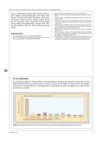
The document corrects a mistake by stating that pimecrolimus, not tacrolimus, is the drug that concentrates in the skin.