 April 2021 in “Journal of Law Public Policies and Human Sciences”
 The described COVID-19 treatments seemed effective in influencing the disease's course, duration, and severity.
 January 2019 in “Journal of Entomology and Zoology Studies”
 Ruminant goats have larger and more defined hair follicles than younger goats.
 October 2025 in “Indian Journal of Plastic Surgery”
 Stem cells show promise in anti-aging and reconstructive surgery, but more research is needed.
 August 2017 in “Indian journal of history of science”
 The manuscript "Strīvilāsa" offers ancient Ayurvedic knowledge on women's health, beauty treatments, and reproductive care.
 8 citations
,
May 2017 in “Current traditional medicine”
8 citations
,
May 2017 in “Current traditional medicine” Stinging nettle has compounds that help with joint pain, arthritis, and prostate issues.
10 citations
,
January 2022 in “Traditional and Integrative Medicine” Citrus lemon and ginger essential oils show promise for cancer treatment and antioxidant benefits.
46 citations
,
December 2000 in “Seminars in Cutaneous Medicine and Surgery” Laser and light treatments offer quick, long-lasting hair removal for large areas.
2 citations
,
October 2022 in “Hop and Medicinal Plants” Lavender may help with relaxation, anxiety, and sleep, but more research is needed for other health claims.
 24 citations
,
January 2014 in “The American Journal of Chinese Medicine”
24 citations
,
January 2014 in “The American Journal of Chinese Medicine” The leaves of Platycladus orientalis have potential health benefits but require more research for safety and understanding how they work.
7 citations
,
August 2020 in “Current topics in medicinal chemistry” New cancer treatments aim to reduce side effects and improve effectiveness.
6 citations
,
January 2013 in “Journal of Ayurveda and integrative medicine” The detoxification process made Abrus precatorius seeds safe and effective for use.
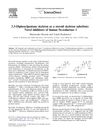 13 citations
,
August 2007 in “Bioorganic & medicinal chemistry letters”
13 citations
,
August 2007 in “Bioorganic & medicinal chemistry letters” A new compound effectively inhibits human 5α-reductase 1.
 4 citations
,
February 2017 in “Journal of Cutaneous Medicine and Surgery”
4 citations
,
February 2017 in “Journal of Cutaneous Medicine and Surgery” Compounds from certain trees used by First Nations people show potential for treating skin conditions and promoting hair growth, but more research is needed to confirm their safety and effectiveness.
 3 citations
,
December 2021 in “Journal of medicinal plants”
3 citations
,
December 2021 in “Journal of medicinal plants” Halocnemum strobilaceum has potential health benefits and uses, including anticancer and antimicrobial properties.
 June 2026 in “Frontiers in Bioengineering and Biotechnology”
 Hair follicle systems are being engineered to better mimic natural hair follicles for studying hair disorders and testing treatments.
 December 2025 in “Frontiers in Nutrition”
 Collagen supplements may improve skin, joints, and recovery, especially with added nutrients.
January 2026 in “Journal of Aesthetic Medicine” Aesthetic care should align physical changes with mental well-being using a comprehensive, multidisciplinary approach.
 16 citations
,
January 2013 in “Internal Medicine”
16 citations
,
January 2013 in “Internal Medicine” Early hair whitening may indicate a higher risk of heart disease in young and middle-aged men.
8 citations
,
March 2020 in “Pain Medicine” Onabotulinumtoxin-A injections significantly improved scalp pain in a patient with trichodynia.
 January 2024 in “Advanced Healthcare Materials”
 Using a special gel with copper and curcumin along with a scraping massage technique improved hair growth better than the common hair loss treatment, minoxidil.

Mesenchymal stem cells from laser-assisted liposuction are as effective and safe as those from conventional methods for cell therapy.
 January 2023 in “Türkiye klinikleri adli tıp ve adli bilimler dergisi”
 DNA markers can help predict male pattern baldness, useful in criminal and missing person cases.
 December 2020 in “TURKDERM”
 A 3-year-old boy was diagnosed with a rare, non-scarring hair loss condition called temporal triangular alopecia.
 March 2026 in “Israel Journal of Plant Sciences”
 Endophytic bacteria in Eclipta prostrata help the plant tolerate stress and boost its medicinal properties.
6 citations
,
November 2023 in “Chinese Medicine” Xinyang Tablet improves heart function in sepsis by reducing inflammation.
 6 citations
,
December 2019 in “BMC Complementary and Alternative Medicine”
6 citations
,
December 2019 in “BMC Complementary and Alternative Medicine” Alcohol extract from Vernonia anthelmintica seeds may help treat stress-related hair loss.
 5 citations
,
January 2012 in “Natural Science”
5 citations
,
January 2012 in “Natural Science” Indian medicinal herbs used for general weakness contain beneficial nutrients.
2 citations
,
June 2023 in “Current Nutrition & Food Science” Hinokiflavone may help treat cancers and other health issues.
 1 citations
,
October 2025 in “International Journal of Nanomedicine”
1 citations
,
October 2025 in “International Journal of Nanomedicine” Exosomes could revolutionize skin disease treatment and healing.
 January 2019 in “Research Square (Research Square)”
 The trial will test if YH0618 granule prevents hair loss in breast cancer patients during chemotherapy.