 April 2021 in “Journal of Investigative Dermatology”
 Bacteria can help skin regenerate through a process called IL-1β signaling.
 66 citations
,
December 2014 in “Nature Communications”
66 citations
,
December 2014 in “Nature Communications” Fibroblasts can be turned into melanocytes for potential skin treatments.
 62 citations
,
November 2009 in “Aging Cell”
62 citations
,
November 2009 in “Aging Cell” Hedgehog signaling helps keep hair follicle stem cells the same in both young and old human skin.
 54 citations
,
October 2023 in “Oncogene”
54 citations
,
October 2023 in “Oncogene” p63 is essential for controlling epithelial stem cells and tissue health.
 40 citations
,
March 2019 in “Nature Communications”
40 citations
,
March 2019 in “Nature Communications” CRAC channels are crucial for the development and function of specialized immune cells, preventing severe inflammation and autoimmune diseases.
 April 2017 in “Journal of Investigative Dermatology”
 Cow milk sugars increase fat production and inflammation in skin oil cells.
 June 2026 in “Frontiers in Cell and Developmental Biology”
 Dermal papilla cells are key to fine wool growth in sheep.

Ovol2 is crucial for hair growth and skin healing by controlling cell movement and growth.
 28 citations
,
January 2018 in “Biochemical Society Transactions”
28 citations
,
January 2018 in “Biochemical Society Transactions” Certain fats in the skin help control inflammation and health, and changing these fats through diet or supplements might treat skin inflammation.
 15 citations
,
February 2009 in “Cell Stem Cell”
15 citations
,
February 2009 in “Cell Stem Cell” The document concludes that certain chemicals can help maintain stem cell pluripotency and that understanding cell states is crucial for tissue regeneration.
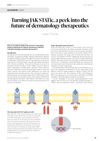 August 2024 in “New Zealand Medical Student Journal”
 JAK inhibitors show promise for treating skin diseases effectively and safely.
 42 citations
,
January 2019 in “Frontiers in Immunology”
42 citations
,
January 2019 in “Frontiers in Immunology” A blood pressure drug, diltiazem, may also help treat influenza.
 April 2023 in “bioRxiv (Cold Spring Harbor Laboratory)”
 Sweat gland development involves two unique skin cell programs and a temporary skin environment.

Whiskers can form without sensory nerves or Foxd1, thanks to Meis2 in mesenchymal cells.

CD4 T cells need IFN-γ to cause hair loss in alopecia areata.
 408 citations
,
January 2017 in “Science”
408 citations
,
January 2017 in “Science” Some wound-healing cells can turn into fat cells around new hair growth in mice.
 123 citations
,
November 2012 in “Stem cells”
123 citations
,
November 2012 in “Stem cells” MicroRNA-302 helps improve the conversion of body cells into stem cells by blocking NR2F2.
 87 citations
,
March 2011 in “Australasian Journal of Dermatology”
87 citations
,
March 2011 in “Australasian Journal of Dermatology” Genetics and hormones play a role in male and female hair loss, but more research is needed to fully understand it.
 44 citations
,
August 2017 in “Food Bioscience”
44 citations
,
August 2017 in “Food Bioscience” Researchers made a special butter with added betasitosterol that could be healthier for the heart and stayed good for three months.
 28 citations
,
August 2018 in “BMC genomics”
28 citations
,
August 2018 in “BMC genomics” DNA methylation changes are linked to hair growth cycles in goats.
 25 citations
,
July 2013 in “Actas Dermo-Sifiliográficas”
25 citations
,
July 2013 in “Actas Dermo-Sifiliográficas” Acitretin is effective for severe psoriasis and can be used long-term due to no immunosuppression, but must be carefully monitored for side effects and is not for pregnant women.
 17 citations
,
September 2022 in “Genes & Genomics”
17 citations
,
September 2022 in “Genes & Genomics” Long non-coding RNAs affect feather growth in chickens in ways that don't follow traditional genetic rules.
 11 citations
,
December 2018 in “Bone”
11 citations
,
December 2018 in “Bone” Removing a methyl group from the ITGAV gene speeds up bone formation in a specific type of bone disease model.
 11 citations
,
June 2012 in “Acta histochemica”
11 citations
,
June 2012 in “Acta histochemica” Mice with a Gsdma3 gene mutation have thicker skin and longer hair follicle openings due to increased β-catenin levels.
 7 citations
,
November 2010 in “Genesis”
7 citations
,
November 2010 in “Genesis” Mouse Scube3 affects teeth, tongue, vibrissae, and eye development, but not facial structure or limb growth.
 7 citations
,
January 1994 in “Annual Reports in Medicinal Chemistry”
7 citations
,
January 1994 in “Annual Reports in Medicinal Chemistry” Understanding how androgens work is key for creating new treatments for prostate issues and hair/skin conditions.
 4 citations
,
July 2025 in “Molecular Diversity”
4 citations
,
July 2025 in “Molecular Diversity” Using existing drugs for new treatments is cost-effective and safer.
 3 citations
,
November 2014 in “Protein Expression and Purification”
3 citations
,
November 2014 in “Protein Expression and Purification” Scientists successfully purified a protein called Wnt3a, which is involved in processes like hair growth, but the overall yield was low, suggesting more work is needed to improve this.
 3 citations
,
September 2005 in “Experimental dermatology”
3 citations
,
September 2005 in “Experimental dermatology” The cornified envelope is crucial for skin's barrier function and involves key proteins and genetic factors.
 1 citations
,
March 2023 in “bioRxiv (Cold Spring Harbor Laboratory)”
1 citations
,
March 2023 in “bioRxiv (Cold Spring Harbor Laboratory)” Skin cell types develop when specific genes are turned on by removing certain chemical tags from DNA.