June 2020 in “Journal of Investigative Dermatology” Atopic dermatitis shows a link between skin layers in inflammation, detectable with detailed gene analysis.
 December 2016 in “Journal of Evolution of Medical and Dental Sciences”
 Chronic Acrodermatitis Enteropathica can persist into adulthood and requires careful zinc treatment.
January 2026 in “International Journal of Applied Pharmaceutics” Nanoparticle-embedded microneedles improve drug delivery through the skin but face challenges in stability and safety.
7 citations
,
May 2010 in “Drug Delivery” Retinoic acid and DMSO improve gene delivery to mouse skin for potential hair and skin disease treatment.
4 citations
,
April 2014 in “Lasers in Surgery and Medicine” TRASER effectively targets blood vessels and hair follicles for potential use in vascular and hair removal treatments.
1 citations
,
January 2025 in “Pediatria i Medycyna Rodzinna” Accurate diagnosis and zinc supplements can improve life quality in acrodermatitis enteropathica, even with normal zinc levels.
11 citations
,
March 2023 in “Stem Cell Research & Therapy” Epidermal stem cells improve skin graft survival by promoting early blood vessel formation.
December 1963 in “Bulletin of Experimental Biology and Medicine” Radioiodine-131 significantly accumulates in skin and hair.
238 citations
,
October 1994 in “Current opinion in genetics & development” The document concludes that recent research has improved understanding of skin diseases and the balance between cell growth and differentiation in the epidermis.
 1 citations
,
January 2025 in “BIO Integration”
1 citations
,
January 2025 in “BIO Integration” Combining ultrasound and microneedles improves drug delivery through the skin.
 3 citations
,
September 1989 in “Journal of Investigative Dermatology”
3 citations
,
September 1989 in “Journal of Investigative Dermatology” Methyl caprate greatly increases drug absorption through the skin and is better than other enhancers.
 August 2025 in “International Journal of Research in Dermatology”
 Increasing zinc intake improved skin and hair symptoms in a rare genetic disorder.
12 citations
,
June 2012 in “Wound Repair and Regeneration” Regulating keratinocyte growth in engineered skin can improve wound healing.
23 citations
,
December 1977 in “Virchows Archiv B Cell Pathology” 46 citations
,
April 2005 in “Melanoma Research” 32 citations
,
January 1966 in “Archives of Dermatology” The method accurately measures hair growth with minimal risk and is better than other techniques.
9 citations
,
October 1957 in “A M A Archives of Dermatology” Sebaceous glands can quickly convert carotene to vitamin A.
48 citations
,
August 2001 in “Experimental dermatology” Researchers created a quick, cost-effective way to make skin-like tissue from hair follicles and fibroblasts.
 April 2023 in “The journal of investigative dermatology/Journal of investigative dermatology”
 The TRPV3 channel structure changes linked to severe itch and hyperkeratosis were identified using cryo-EM.
 February 2024 in “Research Square (Research Square)”
 Strat-M® membrane can effectively replace mouse skin for testing collagen peptide delivery.
 4 citations
,
January 2009 in “Indian Journal of Dermatology, Venereology and Leprology”
4 citations
,
January 2009 in “Indian Journal of Dermatology, Venereology and Leprology” A patient with granuloma annulare experienced both isotopic and isomorphic responses, with skin lesions responding to steroids but relapsing after stopping treatment.
April 2021 in “bioRxiv (Cold Spring Harbor Laboratory)” Topical folates can penetrate skin and enhance wound healing.
January 2012 in “Journal of Investigative Dermatology” 253 citations
,
June 2004 in “Journal of Controlled Release” Smaller nanoparticles improve minoxidil delivery through hair follicles.
 2 citations
,
August 2012 in “Journal of the American Academy of Dermatology”
2 citations
,
August 2012 in “Journal of the American Academy of Dermatology” Two patients with the same genetic mutation had both blistering skin and easily pulled out hair.
July 2024 in “Journal of Investigative Dermatology” ATR04-484 ointment shows promise for treating skin issues from cancer therapies.
 15 citations
,
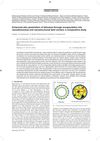
May 2016 in “Die Pharmazie”
15 citations
,
May 2016 in “Die Pharmazie” Nanostructured lipid carriers deliver lidocaine to the skin better than nanoethosomes.
June 1996 in “Journal of Dermatological Science” 1 citations
,
January 2015 ERK activation spreads between cells, influencing cell division and wound healing.
7 citations
,
January 1966 in “Archives of Dermatology” The method accurately measures hair growth with minimal risk and is better than other methods.