 November 2024 in “Huisarts en Wetenschap”
 Telogen effluvium hair loss often resolves on its own in 3 to 6 months, but see a dermatologist if it persists.
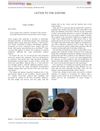
A patient experienced intense hair loss due to telogen effluvium after scalp contact dermatitis, but hair regrew completely within two months without further treatment.
11 citations
,
June 2005 in “Postgraduate Medical Journal” Some infants temporarily grow scrotal hair, which usually disappears on its own without any health issues.
 12 citations
,
March 2018 in “Australasian Journal of Dermatology”
12 citations
,
March 2018 in “Australasian Journal of Dermatology” Minoxidil treatment can reduce hair shedding, increase hair volume, and even change hair color in patients with loose anagen hair syndrome.
11 citations
,
April 2020 in “Animals” Moving horses to new places can increase their stress levels, as shown by higher stress hormone in their hair.

Hair loss can happen after both mild and severe COVID-19, and areas with more COVID-19 cases may see more hair loss cases.
8 citations
,
May 2005 in “Australian veterinary journal” A Tibetan Terrier had recurring seasonal hair loss for three years.
 January 2021 in “Journal of Pakistan Association of Dermatology”
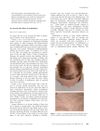
 COVID-19 recovery can lead to temporary hair loss called telogen effluvium.
 2 citations
,
March 2015 in “Clinical and Experimental Dermatology”
2 citations
,
March 2015 in “Clinical and Experimental Dermatology” Azathioprine can cause unusual hair loss, which may reverse after stopping the drug.
2 citations
,
July 2019 in “Indian dermatology online journal” A 17-year-old girl and her brothers have a rare hair condition with long eyelashes, thick eyebrows, and easily pluckable hair.
7 citations
,
January 2016 in “Dermatology online journal” Persistent pulling on hair can cause permanent hair loss.
 1 citations
,
October 2013 in “A & A case reports”
1 citations
,
October 2013 in “A & A case reports” Hair loss from telogen effluvium may not happen again after another surgery.
 21 citations
,
January 1988 in “Critical Care Medicine”
21 citations
,
January 1988 in “Critical Care Medicine” Critically ill patients may experience temporary hair loss after a fever.
 2 citations
,
July 2023 in “Life”
2 citations
,
July 2023 in “Life” COVID-19 can cause temporary hair loss, which is commonly reversible with treatment.
 75 citations
,
January 1995 in “American journal of primatology”
75 citations
,
January 1995 in “American journal of primatology” Vervet monkeys show physical changes like hair loss and scrotal color changes due to stress or nutrition issues.
 17 citations
,
May 2018 in “Journal of Cosmetic Dermatology”
17 citations
,
May 2018 in “Journal of Cosmetic Dermatology” Most women in the study lost hair due to chronic shedding, with stress and nutrient deficiencies being common factors.
 61 citations
,
January 2013 in “Indian Journal of Dermatology, Venereology and Leprology”
61 citations
,
January 2013 in “Indian Journal of Dermatology, Venereology and Leprology” Hair usually grows back 1-3 months after treatment for anagen effluvium, and children with Loose Anagen Hair Syndrome often improve by adolescence.
 1 citations
,
January 2006 in “Elsevier eBooks”
1 citations
,
January 2006 in “Elsevier eBooks” The conclusion is that different types of hair loss in dogs and cats can be cosmetic or serious, and affected animals should not be bred.
 2 citations
,
July 2017 in “Skin appendage disorders”
2 citations
,
July 2017 in “Skin appendage disorders” Alfredo Rebora suggests a simpler classification for hair loss and a new test for easier diagnosis.
 8 citations
,
February 2005 in “Veterinary dermatology”
8 citations
,
February 2005 in “Veterinary dermatology” Chesapeake Bay retrievers' hair loss is likely a breed-specific, hereditary condition linked to abnormal steroid levels and distinct skin changes.
 8 citations
,
May 2012 in “Clinical and Experimental Dermatology”
8 citations
,
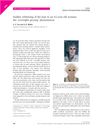
May 2012 in “Clinical and Experimental Dermatology” An 82-year-old woman's hair turned white suddenly, likely due to a rare form of alopecia that targets pigmented hair.
 5 citations
,
December 2019 in “JAAD Case Reports”
5 citations
,
December 2019 in “JAAD Case Reports” A woman experienced rapid hair loss after taking albendazole, but it started to improve when she stopped the medication.

Some medications, including retinoids, antifungals, and psychotropic drugs, can cause reversible hair loss if stopped or doses are reduced.
August 2004 in “Veterinary Dermatology” Adult-onset hair loss in Chesapeake Bay retrievers may be linked to abnormal adrenal hormone production.
Rapid weight loss can cause temporary hair loss, but hair usually grows back.
 March 2021 in “Research Square (Research Square)”
 Stress likely causes hair loss in Formosan macaques.
 25 citations
,
October 1996 in “Dermatologic Clinics”
25 citations
,
October 1996 in “Dermatologic Clinics” Loose Anagen Syndrome causes easy-to-pull, thin hair, mainly in young girls, and improves with age.
 13 citations
,
May 2017 in “Dermatologica Sinica”
13 citations
,
May 2017 in “Dermatologica Sinica” Dengue fever can cause a temporary type of hair loss called telogen effluvium.
The document concludes that Loose Anagen Hair Syndrome is a benign condition where hair is thin and easily pulled out, often improving with age.
 24 citations
,
October 2017 in “Scientific reports”
24 citations
,
October 2017 in “Scientific reports” Changing light exposure can affect hair growth timing in goats, possibly due to a key gene, CSDC2.