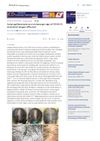
 March 2023 in “Journal of Cosmetic Dermatology”
 Dilated scalp capillaries might be a sign of hair loss related to COVID-19.
Loose anagen hair syndrome in children may improve with age, but treatment results vary.
3 citations
,
August 2004 in “Veterinary Dermatology” Supplementing vitamins and minerals prevented hair loss in Icelandic horses.
1 citations
,
December 2022 in “Skin Appendage Disorders” Teledermatology can effectively diagnose Loose Anagen Syndrome remotely.

Glass ceiling syndrome is linked to stress-related hair loss in female healthcare workers.
 1 citations
,
January 2019 in “Turk Dermatoloji Dergisi”
1 citations
,
January 2019 in “Turk Dermatoloji Dergisi” Oxidative stress is likely important in causing telogen effluvium, and antioxidants might help treat it.
 38 citations
,
October 1988 in “Clinics in Dermatology”
38 citations
,
October 1988 in “Clinics in Dermatology” Hormones, nutrition, and seasonal changes regulate hair growth cycles, with androgens extending growth phases and factors like aging and malnutrition affecting hair loss and thinning.
 May 2025 in “Health Science Reports”
 Serum WS Biotin significantly reduces hair shedding and improves hair thickness.
 35 citations
,
November 2020 in “Dermatologic Therapy”
35 citations
,
November 2020 in “Dermatologic Therapy” Severe COVID-19 may cause hair loss, and doctors recommend supplements and topical treatments to manage it.
 November 2022 in “Medicina”
 COVID-19 may cause temporary hair loss due to the body's immune response.
 40 citations
,
May 2020 in “Cureus”
40 citations
,
May 2020 in “Cureus” The conclusion is that treatments for Telogen Effluvium exist, but standard treatment guidelines are needed.
 December 2021 in “Journal of The American Academy of Dermatology”
 COVID-19 can cause different types of hair loss, which may last up to 100 days, and treatments are still being explored.
13 citations
,
January 1953 in “Archives of Dermatology” Certain unsaturated compounds can cause temporary hair loss by affecting hair structure.
November 2025 in “Journal of Clinical Medicine” The drinkable supplement reduced hair shedding and increased hair growth in women.
June 2023 in “The Journal of Family Practice” The hair loss is likely due to a fade haircut.
January 2017 in “Faculty of 1000 Research Ltd” Oral minoxidil significantly reduces hair shedding in women with chronic telogen effluvium.
 2 citations
,
August 1995 in “Acta agriculturæ Scandinavica. Section A, Animal science”
2 citations
,
August 1995 in “Acta agriculturæ Scandinavica. Section A, Animal science” Adult male raccoon dogs shed their winter fur in spring and grow new fur for winter in autumn.
August 2015 in “Europe PMC (PubMed Central)” January 2005 in “Journal of Zhejiang University(Sciences Edition)” Yuyi hairless mice lose hair after birth, develop thick, loose skin with folds, and show disorganized skin structure as they age.
 October 2016 in “Mağallaẗ Kulliyyaẗ al-ṭibb Baġdād”
 Most Iraqi women with telogen effluvium had no clear cause for their hair loss, and few had significant thinning.
 April 2016 in “Journal of The American Academy of Dermatology”
 A vitamin and mineral supplement significantly reduced hair shedding in Brazilian women with telogen effluvium.
February 2024 in “Animals” Hair loss peaks in spring and regrowth in late summer, with pregnant females losing the most hair.
July 2023 in “International Journal of Trichology” The man's hair turned white suddenly but returned to normal on its own in 6 months.
June 2025 in “British Journal of Dermatology” Segmented hair color changes can indicate active alopecia areata.
 October 2016 in “Mağallaẗ Kulliyyaẗ al-ṭibb Baġdād”
 Most Iraqi women with telogen effluvium did not have a clear cause for their hair loss, and few had significant thinning.
 2 citations
,
December 1995 in “Pediatrics”
2 citations
,
December 1995 in “Pediatrics” Infant hair loss is usually temporary and grows back without treatment.
2 citations
,
December 2021 in “BMC veterinary research” Long-term use of difluprednate eye drops in dogs can lead to hair loss and hormone imbalance.
A drug helped quickly reduce a movement disorder, experts debated the severity of Raynaud phenomenon, and rapid weight loss was linked to temporary hair loss with good recovery.
May 2022 in “Brazilian Journal of Health Review” COVID-19 infection can cause temporary hair loss due to stress, treatment drugs, psychological impact, and pandemic-related stress.
 7 citations
,
December 2021 in “Journal of The American Academy of Dermatology”
7 citations
,
December 2021 in “Journal of The American Academy of Dermatology” COVID-19 can cause hair loss starting as early as 18 days after infection.