2 citations
,
September 2023 in “Journal of the American Academy of Dermatology” CTP-543 effectively promotes hair regrowth in adults with moderate to severe alopecia areata.
November 2024 in “SKIN The Journal of Cutaneous Medicine” Ritlecitinib effectively reduces severe hair loss in alopecia areata over 24 months.
6 citations
,
March 2024 in “SKIN The Journal of Cutaneous Medicine” Ritlecitinib is effective for long-term treatment of severe alopecia areata.
7 citations
,
July 2023 in “Immunotherapy” Ritlecitinib works well and is safe for treating alopecia areata.
54 citations
,
January 2018 in “Journal of Plant Studies” Tridax procumbens may be a safe, affordable treatment for some health issues.
March 2005 in “European Urology Supplements”  January 2011 in “Side effects of drugs annual”
 Tretinoin gel is safe for sun exposure, but tacalcitol doesn't significantly improve non-segmental vitiligo.
September 2024 in “Annals of Medicine and Surgery” Ritlecitinib is the first FDA-approved pill for treating significant hair loss in alopecia areata patients aged 12 and up.
February 2016 in “Annals of the Rheumatic Diseases” All four treatments for early rheumatoid arthritis had similar and mostly mild side effects.
 4 citations
,
October 2020 in “Journal of oral and maxillofacial surgery”
4 citations
,
October 2020 in “Journal of oral and maxillofacial surgery” Tisseel shows promise for bone graft stabilization but needs more clinical trials to confirm its effectiveness.
December 2025 in “Actas Dermo-Sifiliográficas” Ritlecitinib is effective and safe for treating severe alopecia areata in people aged 12 and older.
 5 citations
,
January 2010 in “Medicinal Plants - International Journal of Phytomedicines and Related Industries”
5 citations
,
January 2010 in “Medicinal Plants - International Journal of Phytomedicines and Related Industries” Tridax procumbens has medicinal properties.
January 2024 in “Faculty of 1000 Research Ltd” Tazarotene gel may be more effective for acne than adapalene gel.
111 citations
,
June 2015 in “Age and Ageing” Dutasteride, fesoterodine, and finasteride are beneficial for older patients, while most other drugs should be used cautiously or avoided.
May 2022 in “Reactions Weekly”  January 2016 in “The Australian Pharmacist”
 Tofacitinib might be used to treat hair loss.
1 citations
,
January 2025 in “Therapeutic Advances in Drug Safety” Antituberculosis drugs can cause severe skin reactions, requiring careful diagnosis and treatment.
 June 2024 in “Archives of Medical Science”
 Telitacicept effectively improved hair regrowth in a woman with lupus and alopecia.
 October 2025 in “Dermatology and Therapy”
 Ritlecitinib is being tested for effectiveness and safety in treating severe alopecia areata.
 July 2023 in “World Journal of Biology Pharmacy and Health Sciences”
 Trazodone and Chlorpromazine might help treat sexual dysfunction from finasteride and SSRIs.
January 2015 in “International Journal of Pharma and Bio Sciences” Tridax procumbens is a versatile herb with many health benefits.
1 citations
,
June 2013 in “Annals of the Rheumatic Diseases” Methotrexate plus prednisolone had the fewest serious side effects.
 29 citations
,
January 2016 in “CNS drugs”
29 citations
,
January 2016 in “CNS drugs” Teriflunomide is effective and generally safe for treating relapsing-remitting multiple sclerosis.
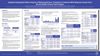 July 2025 in “SKIN The Journal of Cutaneous Medicine”
 Ritlecitinib is generally safe for alopecia areata patients over 72 months.
 20 citations
,
December 2016 in “Neurodegenerative disease management”
20 citations
,
December 2016 in “Neurodegenerative disease management” Teriflunomide effectively reduces relapses and disability in MS and has a manageable safety profile.
 April 2023 in “The journal of investigative dermatology/Journal of investigative dermatology”
 Ritlecitinib significantly improves scalp hair regrowth in alopecia areata patients over time.
1 citations
,
December 1989 in “PubMed” Tretinoin's effectiveness for hair loss is unclear and needs more research.
May 2026 in “Dermatology and Therapy” Ritlecitinib improves hair growth and quality of life in severe alopecia areata with longer use.
January 2015 in “INDONESIAN JOURNAL OF PHARMACY” A reliable method was developed to measure Tamsulosin and Finasteride in tablets accurately.
 February 2025 in “Revista Eletrônica Acervo Saúde”
 Triamcinolone hexacetonide is effective but has side effects, while PRP and minoxidil are safer alternatives for treating alopecia areata.