 April 1969 in “Postgraduate medicine”
 Use corticosteroid cream and triamcinolone injections for treating alopecia areata, and consider wigs and tranquilizers for support.
November 2022 in “Frontiers in Medicine” PRP shows promise for treating mild alopecia areata but needs more research for cicatricial alopecias.
275 citations
,
November 2002 in “International Journal of Dermatology” Alopecia areata mainly affects young people and has significant psychological impacts, especially in males.
 155 citations
,
September 2008 in “British journal of dermatology/British journal of dermatology, Supplement”
155 citations
,
September 2008 in “British journal of dermatology/British journal of dermatology, Supplement” FFA is more common in postmenopausal women, can affect younger women, and may stabilize over time.
 98 citations
,
May 2008 in “British Journal of Dermatology”
98 citations
,
May 2008 in “British Journal of Dermatology” There are many treatments for permanent hair loss disorders, but their effectiveness varies and there's no clear best option.
 23 citations
,
April 2018 in “Journal der Deutschen Dermatologischen Gesellschaft”
23 citations
,
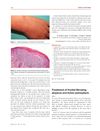
April 2018 in “Journal der Deutschen Dermatologischen Gesellschaft” Permanent hair loss from cicatricial alopecia is treated by reducing inflammation and managing symptoms, but regrowth in scarred areas is unlikely.
 20 citations
,
January 2014 in “Journal of the European Academy of Dermatology and Venereology”
20 citations
,
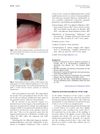
January 2014 in “Journal of the European Academy of Dermatology and Venereology” The critique highlights an error in a review about hair loss treatment, stressing the need for accurate information and caution due to poor evidence quality.
 13 citations
,
August 2012 in “Journal of the American Academy of Dermatology”
13 citations
,
August 2012 in “Journal of the American Academy of Dermatology” A rare scalp condition causing hair loss and cysts in young men can be treated effectively with a specific steroid injection.
 12 citations
,
January 2017 in “Skin appendage disorders”
12 citations
,
January 2017 in “Skin appendage disorders” Two patients with skin lupus were mistakenly thought to have a different scalp condition but improved with lupus treatment.
7 citations
,
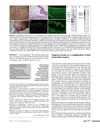
January 2014 in “International Journal of Trichology” Primary idiopathic pseudopelade of Brocq causes gradual, scarring hair loss with no effective treatment.
 2 citations
,
November 2012 in “European Journal of Dermatology”
2 citations
,
November 2012 in “European Journal of Dermatology” Hair transplant surgery may cause alopecia areata, a new possible complication.
1 citations
,
August 2005 in “Springer eBooks” Alopecia areata is an autoimmune disease with genetic links, treatable with certain medications, and can affect mental health.

Early combination therapy can effectively regrow hair in frontal fibrosing alopecia.
January 2026 in “Zenodo (CERN European Organization for Nuclear Research)” Statins do not help improve alopecia areata.
December 2023 in “JAAD Case Reports” Intralesional corticosteroids effectively treat localized alopecia areata, often sparing white hairs.
 August 2015 in “Dermatología Argentina”
 Frontal fibrosing alopecia causes hairline recession and eyebrow loss in postmenopausal women.
71 citations
,
December 2013 in “The journal of investigative dermatology. Symposium proceedings/The Journal of investigative dermatology symposium proceedings” There are no FDA-approved treatments for Alopecia Areata, and current options have varying success and relapse rates.
 30 citations
,
August 2015 in “JAAD case reports”
30 citations
,
August 2015 in “JAAD case reports” Platelet-rich plasma (PRP) injections successfully treated a woman's steroid-resistant hair loss, causing hair to regrow within a month.
7 citations
,
January 2017 in “Dermatology Online Journal” TNF-inhibitor induced alopecia can be treated effectively with different therapies.
 1 citations
,
March 2020 in “Australasian Journal of Dermatology”
1 citations
,
March 2020 in “Australasian Journal of Dermatology” The paper concludes that recognizing bitemporal alopecia areata is important for early treatment and preventing its progression.
 August 2025 in “Zanco Journal of Medical Sciences”
 Both steroid and vitamin D3 treatments are safe and effective for patchy alopecia areata, with steroids showing slightly better results.
 February 2025 in “Journal of Neonatal Surgery”
 Non-surgical treatments can significantly reduce keloids in children, with combination therapies being safer and more effective.
Combining epinephrine with a steroid may help regrow hair in severe alopecia areata cases.
 May 2010 in “Journal of the Dermatology Nurses' Association”
 Cicatricial alopecia causes permanent hair loss and is treated to relieve symptoms and stop progression.
 July 2010 in “British Journal of Dermatology”
 Hair loss in women may have multiple causes, and eyebrow regrowth possible with specific injections.
1 citations
,
September 1977 in “JAMA” A man regrew hair after using a 2% fluorouracil treatment on his scalp.
10 citations
,
October 1981 in “Archives of Dermatology” The man's skin condition was finally identified as tinea incognito, a fungal infection.
July 2024 in “Clinical Case Reports” Recognizing rare hair loss patterns in young females can improve understanding and treatment.
 November 2025 in “The Journal of Medical Sciences”
 Intralesional triamcinolone is more effective than cryotherapy for treating alopecia areata in middle-aged adults.
 February 2025 in “Revista Eletrônica Acervo Saúde”
 Triamcinolone hexacetonide is effective but has side effects, while PRP and minoxidil are safer alternatives for treating alopecia areata.