55 citations
,
May 2007 in “Australasian journal of dermatology” Two boys developed a viral skin infection during chemotherapy, which resolved with improved immune function.
 4 citations
,
December 2024 in “Clinical Cosmetic and Investigational Dermatology”
4 citations
,
December 2024 in “Clinical Cosmetic and Investigational Dermatology” Combining baricitinib with UV-B therapy effectively treats non-segmental vitiligo and is well-tolerated.
December 1951 in “Journal of the American Medical Association” Propylthiouracil treatment can cause hair loss.
 3 citations
,
August 2019 in “Journal of The American Academy of Dermatology”
3 citations
,
August 2019 in “Journal of The American Academy of Dermatology” Clascoterone safely promotes hair growth similar to minoxidil.
 October 2023 in “The American Journal of Gastroenterology”
 Cronkhite-Canada syndrome is rare, with high mortality and cancer risk, needing more research for treatment guidelines.
7 citations
,
May 1983 in “Geburtshilfe und Frauenheilkunde” Intramuscular cyproterone acetate effectively treats hirsutism and improves skin conditions in women with hyperandrogenism.
September 2007 in “The American Journal of Gastroenterology” Cronkhite-Canada syndrome causes chronic diarrhea and has a poor prognosis despite treatment.
July 2024 in “Reactions Weekly” 24 citations
,
August 2009 in “Expert opinion on pharmacotherapy” The combination of calcipotriene and betamethasone is more effective and has fewer side effects for treating psoriasis.
196 citations
,
November 2014 in “PubMed” Tinea infections need proper diagnosis and treatment with topical or oral antifungals based on severity and location.
 17 citations
,
January 2012 in “IOSR Journal of Environmental Science Toxicology and Food Technology”
17 citations
,
January 2012 in “IOSR Journal of Environmental Science Toxicology and Food Technology” High doses of Tridax procumbens extract can be toxic, affecting liver and kidneys.
8 citations
,
November 2010 in “British journal of dermatology/British journal of dermatology, Supplement” Vitamin D protects skin cells from damage caused by captopril.
4 citations
,
November 2018 in “Postgraduate Medical Journal” Trichoscopy is a useful, quick, and non-invasive way to diagnose tinea capitis.
 10 citations
,
February 2019 in “BMC pediatrics”
10 citations
,
February 2019 in “BMC pediatrics” An infant with scalp fungus was cured after extended treatment with antifungal medication.
4 citations
,
April 2022 in “Microorganisms” Povidone iodine reduced skin bacteria more than chlorhexidine gluconate, but neither met FDA reduction standards.
 January 2026 in “Frontiers in Pharmacology”
 Cedrol may help treat inflammatory bowel disease by improving gut health and function.
 46 citations
,
January 2007 in “The European Journal of Contraception & Reproductive Health Care”
46 citations
,
January 2007 in “The European Journal of Contraception & Reproductive Health Care” Birth control pills increase the risk of blood clots, especially within the first year and with certain types.
4 citations
,
January 2018 in “Indian dermatology online journal” Trichoscopy helped diagnose and cure a child's hair loss caused by a fungal infection.
18 citations
,
December 2015 in “PubMed” Intralesional triamcinolone is more effective than topical betamethasone for treating localized alopecia areata.
2 citations
,
November 1978 in “JAMA” Valproic acid is an effective seizure medication with some temporary side effects.
1 citations
,
March 2022 in “Frontiers in Medicine” Regular endoscopic checks are crucial for Cronkhite-Canada syndrome patients to catch potential cancers early.
 January 2025 in “Skin Health and Disease”
 Baricitinib may effectively treat both alopecia areata and immune thrombocytopenia.
Kerion is a rare but serious scalp infection that needs proper treatment.
1 citations
,
January 2021 in “Journal of clinical and diagnostic research” Using Calcipotriol with Clobetasol is more effective for treating Alopecia Areata than using Clobetasol alone.
March 2025 in “NATIONS UNIVERSITY INTERNATIONAL JOURNAL OF MULTI-DISCIPLINARY STUDIES” Baricitinib effectively improved skin and hair conditions in a patient with alopecia areata and atopic dermatitis.
37 citations
,
October 2010 in “JDDG Journal der Deutschen Dermatologischen Gesellschaft” Griseofulvin is the best treatment for tinea capitis in children, but more research is needed on other treatments and safety.
 December 2024 in “Clinical and Experimental Dermatology”
 Switching to ritlecitinib improves hair regrowth and well-being in severe alopecia areata patients.
16 citations
,
May 2006 in “The Journal of Dermatology” Peeling skin syndrome was successfully treated with a vitamin D cream.
Baricitinib effectively regrows hair in severe alopecia areata cases.
 10 citations
,
January 2008 in “Acta dermato-venereologica”
10 citations
,
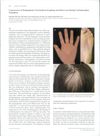
January 2008 in “Acta dermato-venereologica” Carbamazepine caused hair loss and skin eruptions in a woman, which improved after stopping the medication.