 January 2020 in “Acta dermato-venereologica”
 People with certain hair disorders may also have missing permanent teeth.
1 citations
,
June 2016 in “Medicina” Monilethrix is a genetic disorder causing brittle hair, diagnosed using tricoscopy.
Recognizing bamboo hair helps diagnose Netherton’s syndrome.
 May 2022 in “Experimental dermatology”
 Trichothiodystrophy hair is structurally abnormal with protein and organization issues.
5 citations
,
June 1993 in “Pediatric dermatology” Monilethrix Syndrome causes fragile, beaded hair that breaks easily and needs early diagnosis for better care.
18 citations
,
September 1994 in “Clinical and Experimental Dermatology” Localized trichorrhexis nodosa is a hair condition where hair becomes fragile and breaks easily due to damage.
2 citations
,
March 2024 in “Pediatric Dermatology” Two siblings have a rare hair condition caused by a new genetic variant.
 January 2013 in “International Journal of Trichology”
 A new mutation in the TRPS1 gene was found in a Ukrainian girl with Trichorhinophalangeal syndrome type I.
87 citations
,
August 1974 in “Journal of Investigative Dermatology” 13 citations
,
January 2018 in “Yonsei Medical Journal” A specific gene mutation causes Olmsted syndrome.
 6 citations
,
January 2018 in “Acta dermatovenerologica Alpina, Pannonica et Adriatica (Tiskana izd.)”
6 citations
,
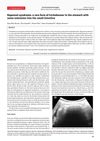
January 2018 in “Acta dermatovenerologica Alpina, Pannonica et Adriatica (Tiskana izd.)” An 8-year-old girl with Rapunzel syndrome had a hairball removed from her stomach and intestines and recovered well after surgery.
April 2011 in “www.virtualization.info” Early diagnosis of trachyonychia improves treatment and reduces psychological and cosmetic issues.
40 citations
,
November 1966 in “Archives of Dermatology” Trichorrhexis nodosa is mainly caused by hair trauma and improves with gentler hair care.
3 citations
,
June 2023 in “American Journal of Forensic Medicine & Pathology” A child died from eating hair, causing severe stomach blockages and infection.
 April 2024 in “Diagnostics”
 Most orthodontic patients with missing teeth also have hair disorders.
 7 citations
,
January 2014 in “Case reports in pediatrics”
7 citations
,
January 2014 in “Case reports in pediatrics” A baby's toe was severely damaged by a hair tourniquet, leading to bone and tendon damage, but improved after surgery and treatment.
 April 2017 in “IOSR journal of dental and medical sciences”
 Netherton Syndrome is a non-treatable genetic disorder in children causing skin, hair, and allergy issues.
1 citations
,
January 2018 in “Indian dermatology online journal” Early diagnosis and genetic evaluation of ADULT syndrome are crucial to reduce stress and medical costs.
 September 2025 in “Cureus”
 Early recognition and multidisciplinary management are crucial for improving outcomes in Parry-Romberg syndrome.
 12 citations
,
November 1987 in “Pediatric dermatology”
12 citations
,
November 1987 in “Pediatric dermatology” Four children had unmanageable pale blond hair due to uncombable-hair syndrome.
12 citations
,
March 1981 in “International Journal of Dermatology” External factors like certain shampoos, bacterial infections, and parasites might cause hair defects similar to genetic conditions.
July 2025 in “International Journal of Trichology” Trichoscopy effectively diagnoses temporal triangular alopecia in children.
33 citations
,
December 1982 in “Developmental Medicine & Child Neurology” Hair-shaft abnormalities can indicate neurological disorders, some of which are treatable.
2 citations
,
June 2013 in “Journal of Dermatological Case Reports” Olmsted syndrome is a rare skin disorder causing thickened skin and other symptoms.
May 2025 in “Indian Dermatology Online Journal” Trichoscopy is crucial for diagnosing rare genetic hair disorders.
Trichorrhexis nodosa causes hair to break easily, often affecting young to middle-aged black women.
3 citations
,
June 2002 in “PubMed” Two sisters with Netherton's syndrome had skin and hair issues, needing special diet and ointments.
January 2017 in “프로그램북(구 초록집)” Iron deficiency anemia can cause hair breakage.
 December 2025 in “TURKDERM”
 Facial trichostasis spinulosa is a chronic condition with significant cosmetic impact, especially in young women.
March 2021 in “Annals of King Edward Medical University” Clouston syndrome causes issues with teeth, hair, nails, and skin, and has no cure, but recognition has improved.