 November 2011 in “APMIS. Acta pathologica, microbiologica et immunologica Scandinavica./APMIS”
 Polyomavirus A2 infection in newborn mice caused hair follicle tumors.

Recognizing and fully removing giant pilomatrixomas is crucial to prevent them from becoming cancerous.
December 2025 in “Pediatric Dermatology” Trametinib can cause skin issues, but they can often be managed without stopping the drug.
December 2025 in “Y HOC TP HO CHI MINH” The Trichoscope is a valuable tool for diagnosing and monitoring hair loss conditions.
 March 2021 in “CRC Press eBooks”
 The document concludes that different patterns of hair thickness and scalp changes can help diagnose types of non-scarring hair loss.
December 2020 in “American Journal of Transplantation” Early recognition and treatment of VATS in transplant patients improve outcomes.
July 2026 in “Cosmoderma” Trichoscopy can identify specific hair patterns in tinea capitis before and after treatment.
 96 citations
,
January 2013 in “International Journal of Trichology”
96 citations
,
January 2013 in “International Journal of Trichology” Trichoscopy is a useful, non-invasive way to diagnose different types of hair loss.
25 citations
,
September 1973 in “Archives of dermatology” Using tretinoin cream on the skin can get rid of hair plugs caused by Trichostasis spinulosa.
 30 citations
,
February 1994 in “Journal of Cutaneous Pathology”
30 citations
,
February 1994 in “Journal of Cutaneous Pathology” A woman's hair loss was initially mistaken for a common hair loss condition but was later found to be caused by breast cancer cells in her scalp.
1 citations
,
January 2016 in “Dermatology Online Journal” Triangular temporal alopecia can occur in adults and should be correctly identified to prevent misdiagnosis.
7 citations
,
January 2012 in “International journal of trichology” Permanent hair removal with lasers may cure itchy black hair bristles on the back.
47 citations
,
April 1978 in “Journal of Cutaneous Pathology” Basal cell epithelioma resembles fetal hair follicles, not adult or fetal skin.
May 2025 in “Apollo Medicine” Trichoscopy is a useful tool for diagnosing and assessing the severity of alopecia areata.
 5 citations
,
October 2018 in “Dermatologic therapy”
5 citations
,
October 2018 in “Dermatologic therapy” Recognizing congenital triangular alopecia is crucial to avoid unnecessary treatments.
 38 citations
,
July 1998 in “Journal of surgical oncology”
38 citations
,
July 1998 in “Journal of surgical oncology” A woman with breast cancer developed a rare condition causing excessive fine hair growth on her face and body.
12 citations
,
January 2023 in “Current Oncology” Early detection and complete surgical removal are crucial for better outcomes in treating pilomatrix carcinoma.
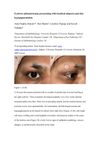 1 citations
,
March 2024 in “Ophthalmic Plastic and Reconstructive Surgery”
1 citations
,
March 2024 in “Ophthalmic Plastic and Reconstructive Surgery” A pilomatrixoma in the eyebrow can cause hair loss and skin lightening.
 37 citations
,
January 2016 in “Australasian Journal of Dermatology”
37 citations
,
January 2016 in “Australasian Journal of Dermatology” Scalp melanomas are more dangerous and often missed, needing earlier detection.
40 citations
,
November 1966 in “Archives of Dermatology” Trichorrhexis nodosa is mainly caused by hair trauma and improves with gentler hair care.
 2 citations
,
March 2023 in “JAAD case reports”
2 citations
,
March 2023 in “JAAD case reports” Hair repigmentation can indicate malignancy and should be investigated.
1 citations
,
January 2013 in “Indian journal of dermatology, venereology, and leprology” A girl inherited excessive body hair from her mother and grandmother.
1 citations
,
September 2023 in “Portuguese Journal of Dermatology and Venereology” Trichoscopy can help diagnose and decide when to biopsy folliculotropic mycosis fungoides.
April 2026 in “Spectrochimica Acta Part A Molecular and Biomolecular Spectroscopy”  6 citations
,
January 2018 in “Acta dermatovenerologica Alpina, Pannonica et Adriatica (Tiskana izd.)”
6 citations
,
January 2018 in “Acta dermatovenerologica Alpina, Pannonica et Adriatica (Tiskana izd.)” An 8-year-old girl with Rapunzel syndrome had a hairball removed from her stomach and intestines and recovered well after surgery.
1 citations
,
April 2021 in “Annals of Otology Rhinology & Laryngology” Surgical removal is advised for large congenital blue nevi due to rare cancer risk.
January 2026 in “Skin Appendage Disorders” The trichogram is a practical, non-invasive, and cost-effective tool for diagnosing female androgenetic alopecia.
September 2024 in “Dermatology Reports” Sonidegib often causes hair loss, and LC-OCT helps identify early signs.
5 citations
,
May 2015 in “JRSM open” If a child is losing a lot of eyelashes and it keeps happening, doctors should look carefully at their health history because it might be a sign of a different health problem.
 89 citations
,
March 2018 in “The Journal of Dermatology”
89 citations
,
March 2018 in “The Journal of Dermatology” Trichoscopy helps diagnose and monitor alopecia areata by looking at a combination of specific hair and scalp features.